
Last updated November 15, 2026
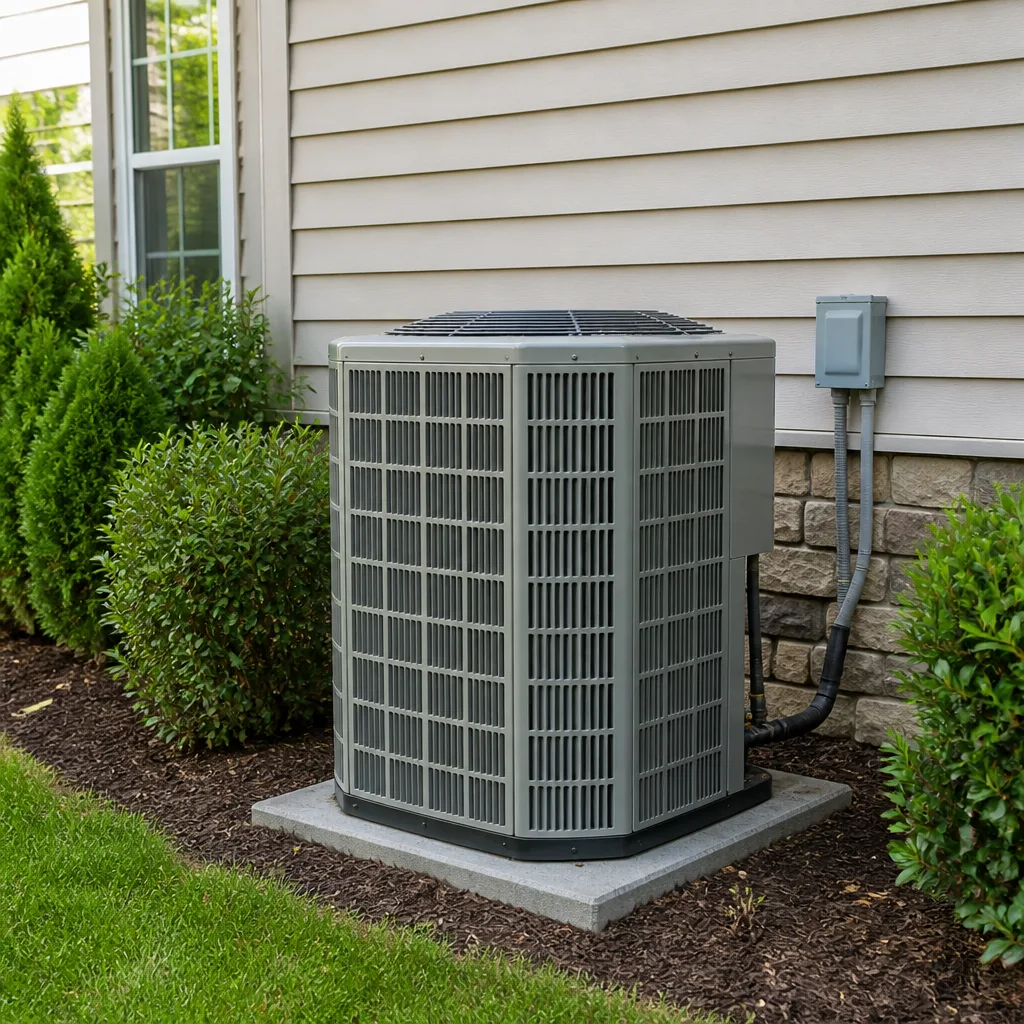 AC repair
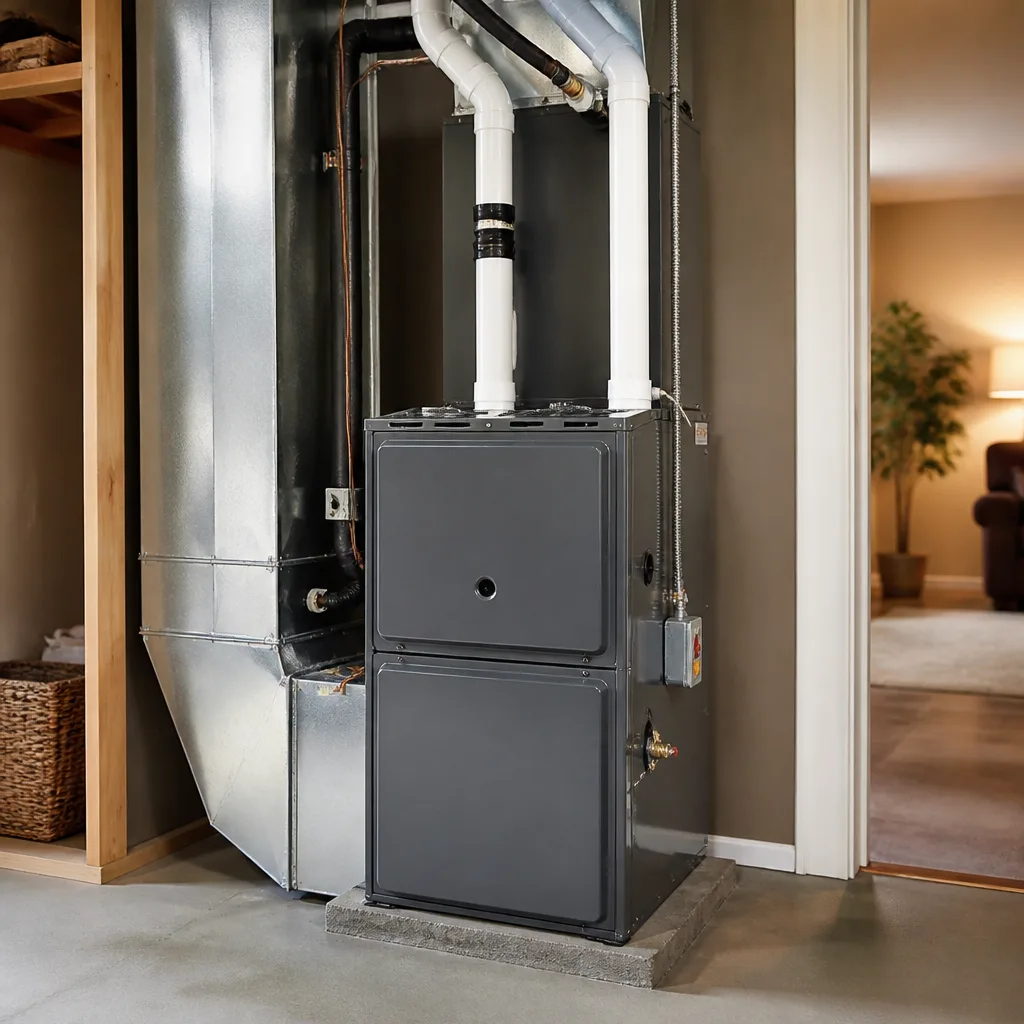 Furnace & heating
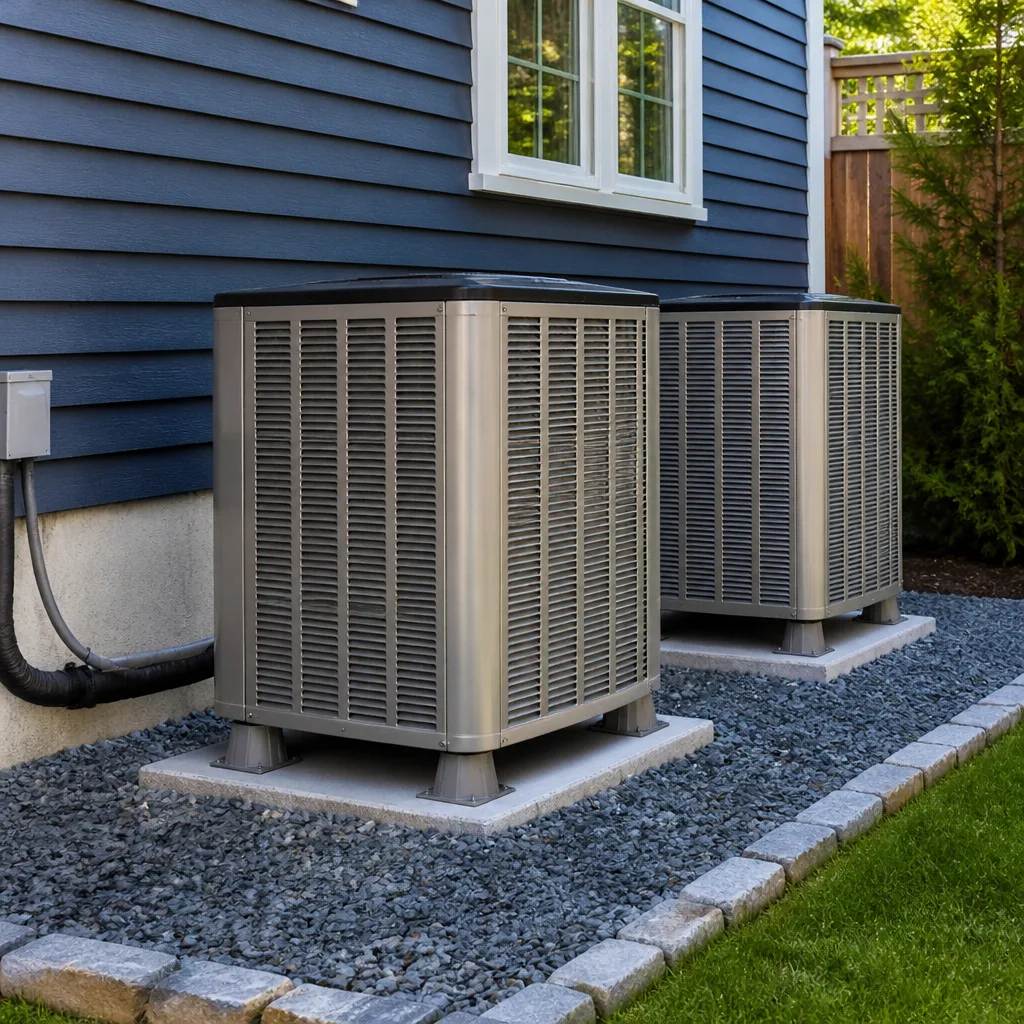 Heat pumps
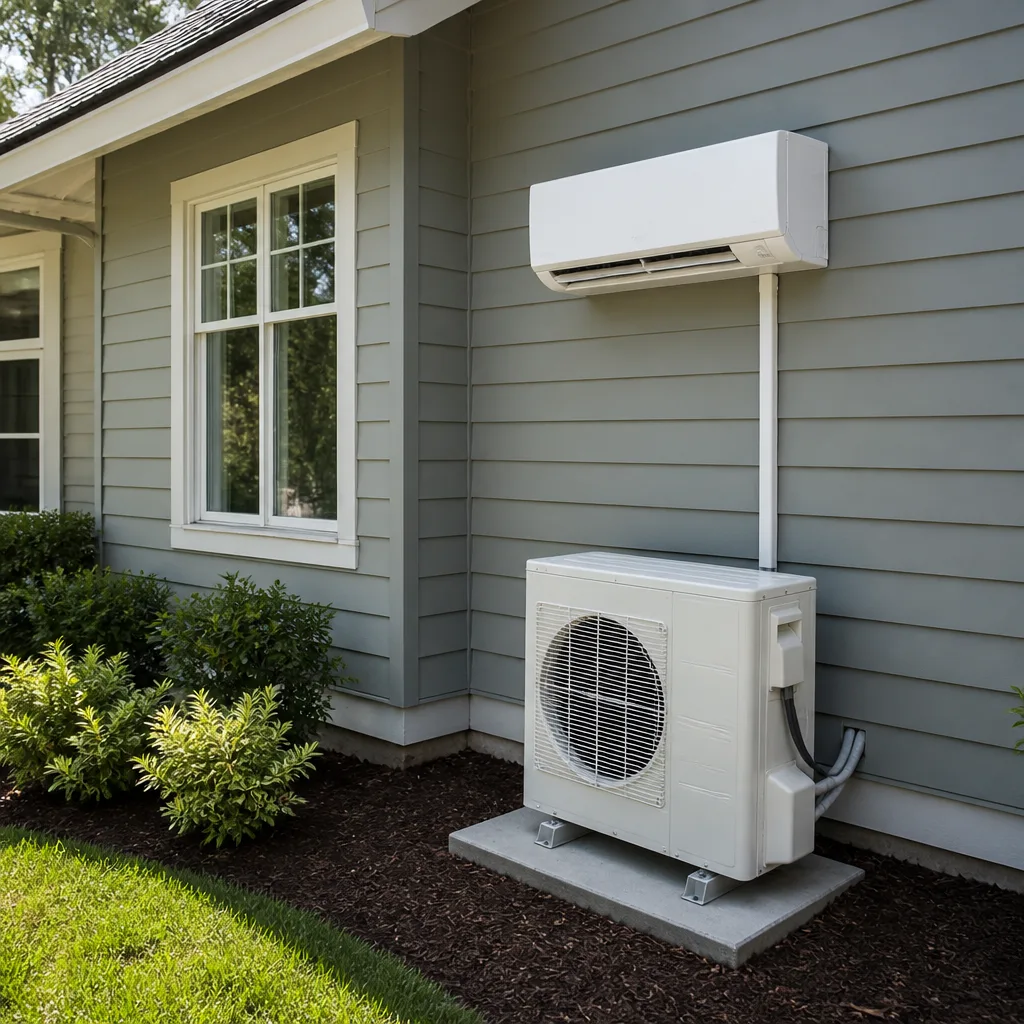 Ductless mini splits
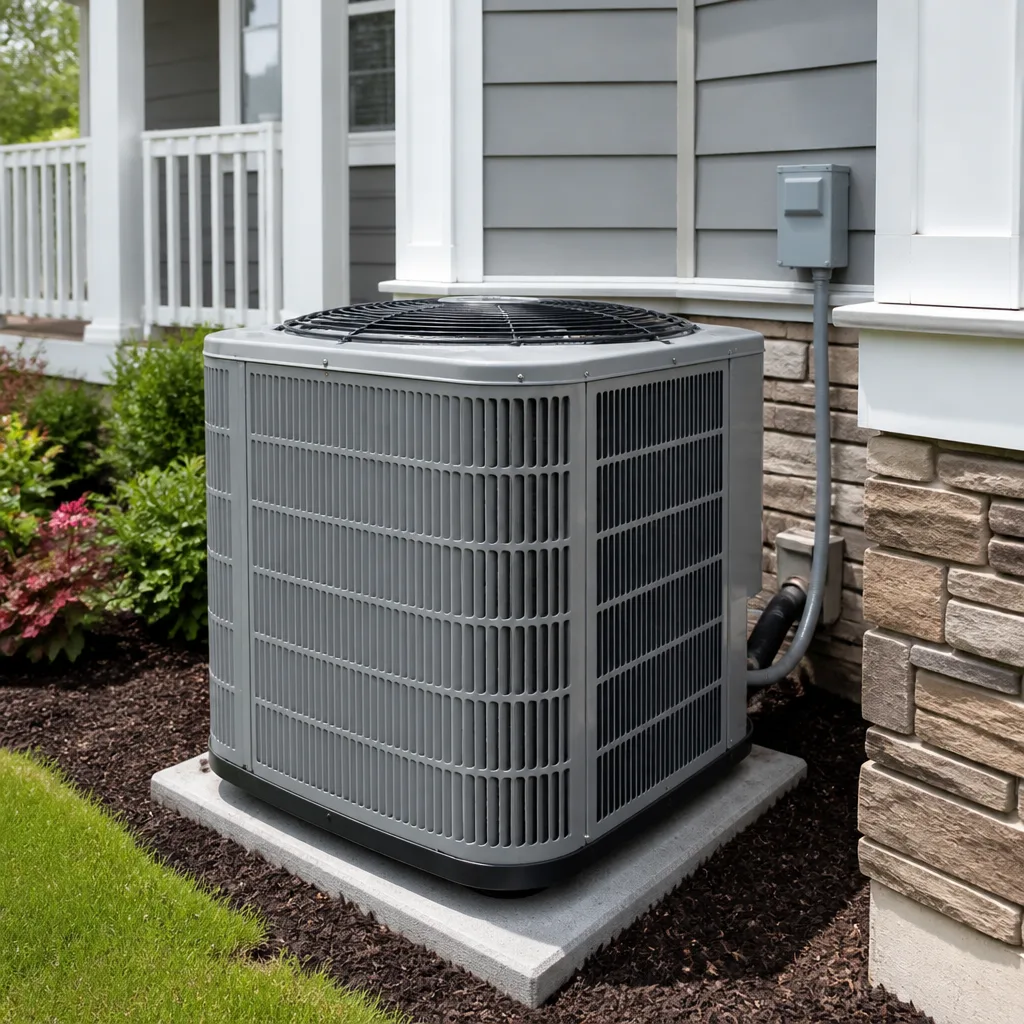 Carrier
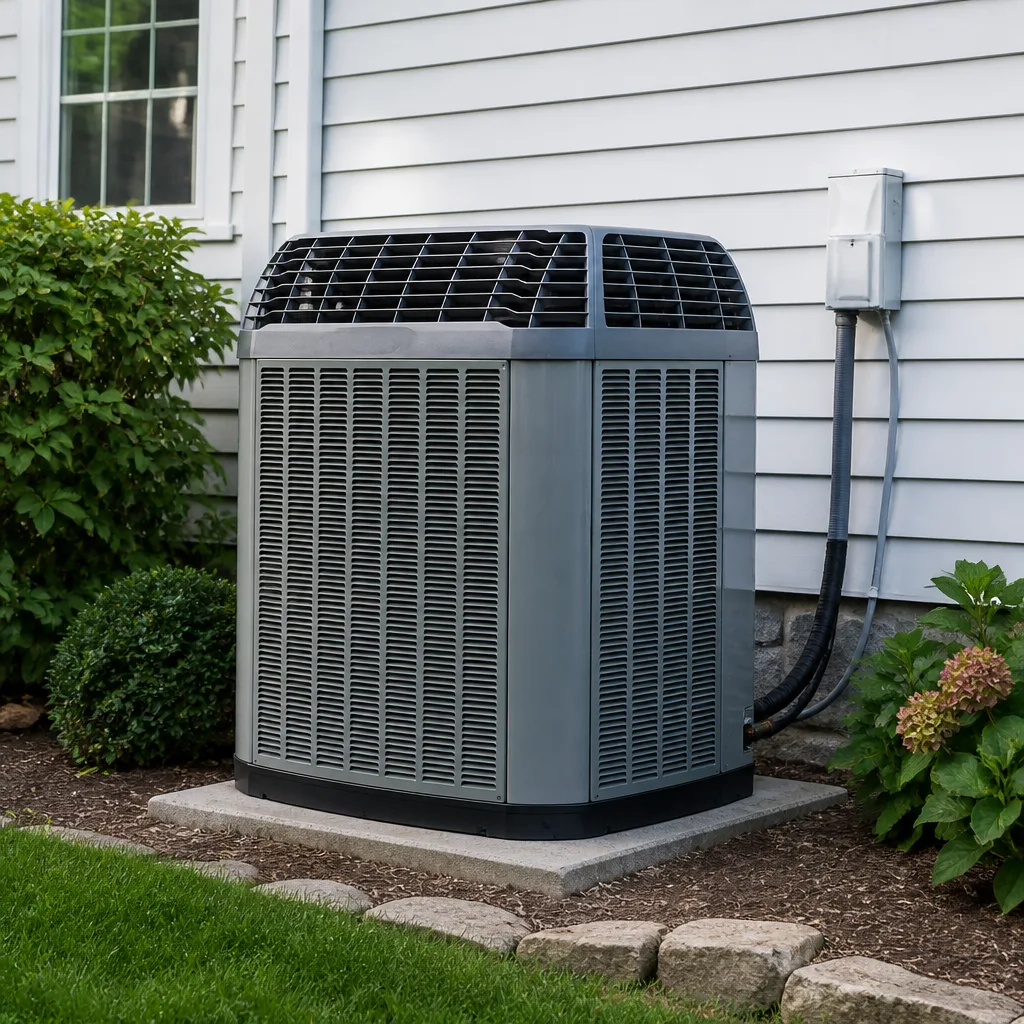 Trane
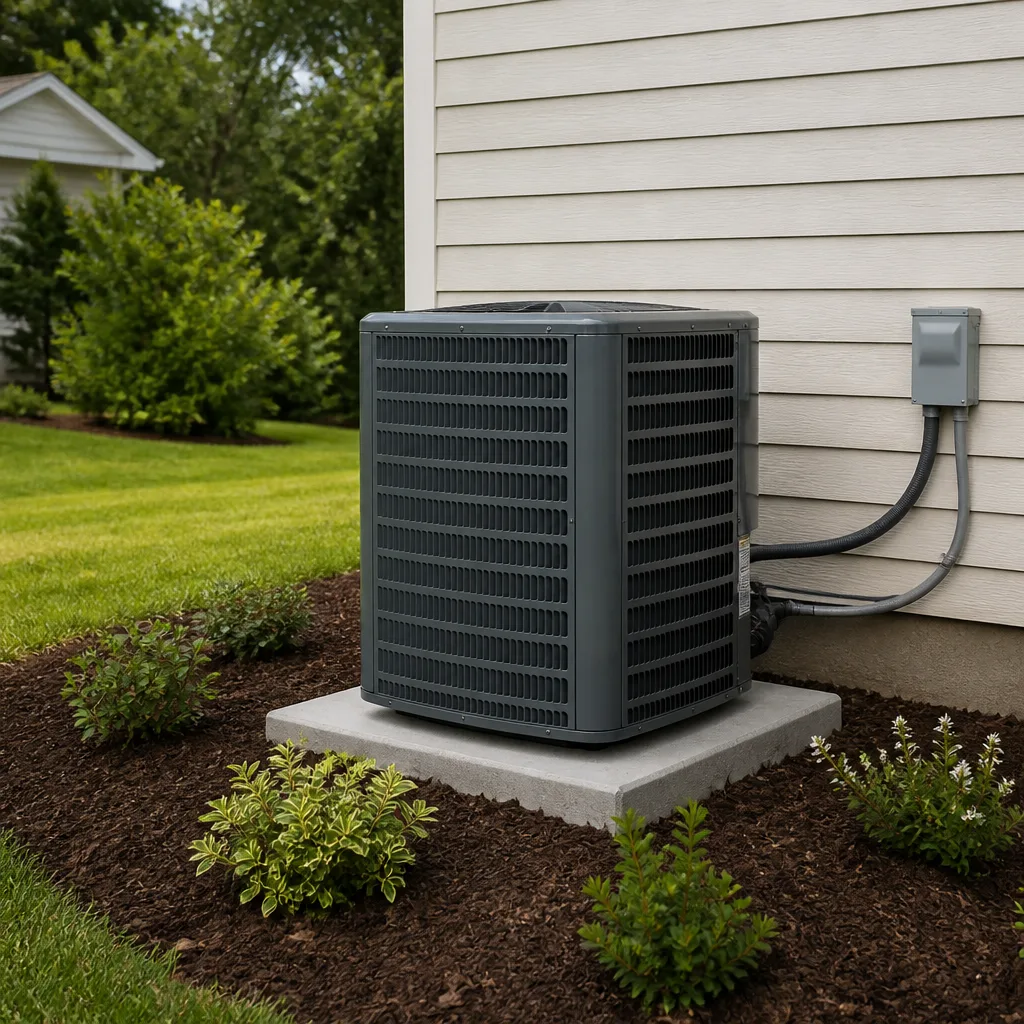 Goodman
Seasonal tune-up and full diagnostic on your Carrier, Trane, or Goodman system - readings shown to you before any repair is proposed
Diagnosis first, numbers second - you approve the repair price before a single part goes in.
Get your free estimateHVAC Permits, Codes & Inspections in Fremont, CA: What You Need to Know
Swapping a dead condenser for a new one of the same size feels like maintenance, not construction. In Fremont, it’s a permitted project in most cases. That gap between what homeowners assume and what the city actually requires is where trouble starts, and it’s a gap some contractors quietly widen by skipping the permit and pricing the job as if the paperwork didn’t exist. You save nothing; the violation lands on your property record, not theirs. This guide maps what triggers a permit in Fremont, how Title 24 shapes which equipment you can legally install, what the Building Division process looks like, what inspectors check, and how unpermitted work surfaces at resale. It’s written for homeowners who want the job done right the first time.
Quick Answer
In Fremont, replacing an HVAC unit, installing or altering ductwork, and any associated electrical work all require a permit from the city’s Building Division. Like-for-like equipment swaps are generally not exempt, and the replacement unit must meet California Title 24 energy requirements, including the SEER2 minimums that took effect in 2023. Permits are pulled before work begins, and the job is inspected before it’s signed off.
Styles & brands we work with
- AC repair
- Furnace & heating
- Heat pumps
- Ductless mini splits
- Carrier
- Trane
- Goodman
Table of Contents
- Which HVAC Projects Need a Permit in Fremont?
- How Title 24 and SEER2 Rules Shape What You Can Install
- The Fremont Permit Application, Step by Step
- What Fremont Inspectors Actually Check
- How to Verify Your Contractor Is Pulling the Permit
- Unpermitted HVAC Work and Real Estate Transactions
- Why Fremont’s Climate and Housing Stock Affect the Job
Which HVAC Projects Need a Permit in Fremont?
Equipment replacement, new or altered ductwork, and electrical work tied to an HVAC system all require a permit in Fremont. Filter changes, thermostat swaps, and coil cleaning do not. The line isn’t about cost or how long the job takes; it’s about whether the work touches the system’s permanent components, its energy performance, or the building’s wiring.
Projects that require a permit
- Replacing an air conditioner or condenser – including a like-for-like swap of the same tonnage. This is the one that catches Fremont homeowners off guard most often.
- Replacing a furnace – a new furnace is a permitted appliance with combustion, venting, and energy requirements attached.
- New ductwork or significant duct alterations – adding runs, resizing, rerouting, or replacing a duct system.
- Electrical work serving the HVAC system – new circuits, panel work, disconnect replacements, and wiring for a new unit.
- Relocating equipment – moving a condenser to a different pad location or shifting a furnace within the home.
Projects that don’t require a permit
- Filter replacement – a maintenance task with no permit attached.
- Thermostat replacement – swapping a standard thermostat for another standard model. New low-voltage wiring to a new location is a different story, so ask before assuming.
- Coil cleaning – routine service, not construction.
- Diagnostic work – troubleshooting and testing don’t require a permit.
If you’re unsure where your project lands, the safest move is a phone call to the Building Division before work starts, not after. A permitted job protects your warranty and your title. When you need furnace repair, the repair itself is usually unpermitted, but a repair that turns into a replacement crosses the line.
How Title 24 and SEER2 Rules Shape What You Can Install
California’s Title 24 energy code governs what equipment can legally go into your home, and the SEER2 efficiency minimums that took effect in 2023 raised the floor. A contractor who quotes you a unit without checking code compliance is quoting you a unit the city may not approve, which means a failed inspection and a second purchase.
Title 24 isn’t a single checklist. It covers the equipment’s rated efficiency, how the system is sized and installed, duct sealing and insulation requirements, and documentation the contractor must provide. For a straightforward replacement, the practical effects in Fremont look like this:
- Efficiency ratings matter at purchase, not after. The unit’s SEER2 rating has to meet the minimum for your equipment type and location before the permit is issued. Older stock that met the previous standard may no longer qualify.
- Equipment selection is constrained, not open-ended. This is why brand-agnostic recommendations matter. A contractor who only carries one line will steer you to whatever in that line clears the bar, whether or not it’s the right fit for your home’s load.
- Duct work has its own requirements. If duct sealing or insulation is part of the project, it’s documented and inspected, not assumed.
- Sizing is part of compliance. An oversized or undersized system creates performance and efficiency problems that show up in inspection and in your energy bills.
We install, repair, and replace systems from Carrier, Trane, Lennox, Goodman, Rheem, York, Daikin, Bryant, and American Standard, and we’ve seen how differently each line handles Title 24 compliance across equipment tiers. A Goodman unit and a Trane unit can both clear the minimum, but they clear it differently, at different price points, with different long-term service profiles. The right system for your home is the one that meets the code, fits your load, and fits your budget, in that order.
The Fremont Permit Application, Step by Step
Fremont’s Building Division issues the permits, and the process runs in a set order. Skip a step and the application stalls. Here’s how a typical residential HVAC permit moves through the system.
- Confirm permit requirements and submittal type. Most residential HVAC replacements qualify for an over-the-counter or online permit rather than a full plan review. The Building Division will confirm which path applies to your scope, so ask before you assume.
- Prepare the submittal. Expect to provide the address, scope of work, equipment specifications including efficiency ratings, contractor licensing information, and the associated electrical scope. Incomplete submittals are the most common reason an application sits.
- Pay the permit fees. Fees are set by the city’s current fee schedule and scale with the scope and valuation of the work. Fees change, so the number that matters is the one the Building Division quotes you at intake, not a figure from an old forum post.
- Receive the permit before work begins. The permit must be issued first. Work started before issuance is unpermitted work, regardless of whether the permit arrives a day later.
- Complete the installation to code. Equipment, electrical connections, and any duct work are installed to the approved scope.
- Schedule the inspection. Once the work is done, the inspection is requested through the city. Typical wait times vary with the Building Division’s inspection load, so build the inspection into your project timeline rather than treating it as a formality.
- Get the final sign-off. The permit closes only when the inspection passes. A job with an open permit is an incomplete job.
If your project involves cooling equipment, the same permitting logic applies to AC installation, and the permit is part of the job, not an add-on.
What Fremont Inspectors Actually Check
Fremont HVAC inspections focus on code compliance, safe installation, and verified efficiency ratings. Inspectors aren’t checking whether your system feels cold. They’re checking whether it was installed the way the permit said it would be, wired safely, and built to the standards the equipment was approved under.
What a typical inspection covers:
- Equipment specifications against the permit. The model installed must match the model approved. A different unit than the one on the paperwork is a fail, even if it’s better.
- Efficiency ratings. The unit’s rated efficiency is verified against Title 24 requirements for your scope.
- Electrical connections and disconnects. Proper wiring, correct breaker sizing, bonding, and a functioning disconnect. This is where a lot of first-time inspections stall, especially on older Fremont homes where the panel didn’t anticipate a modern condenser.
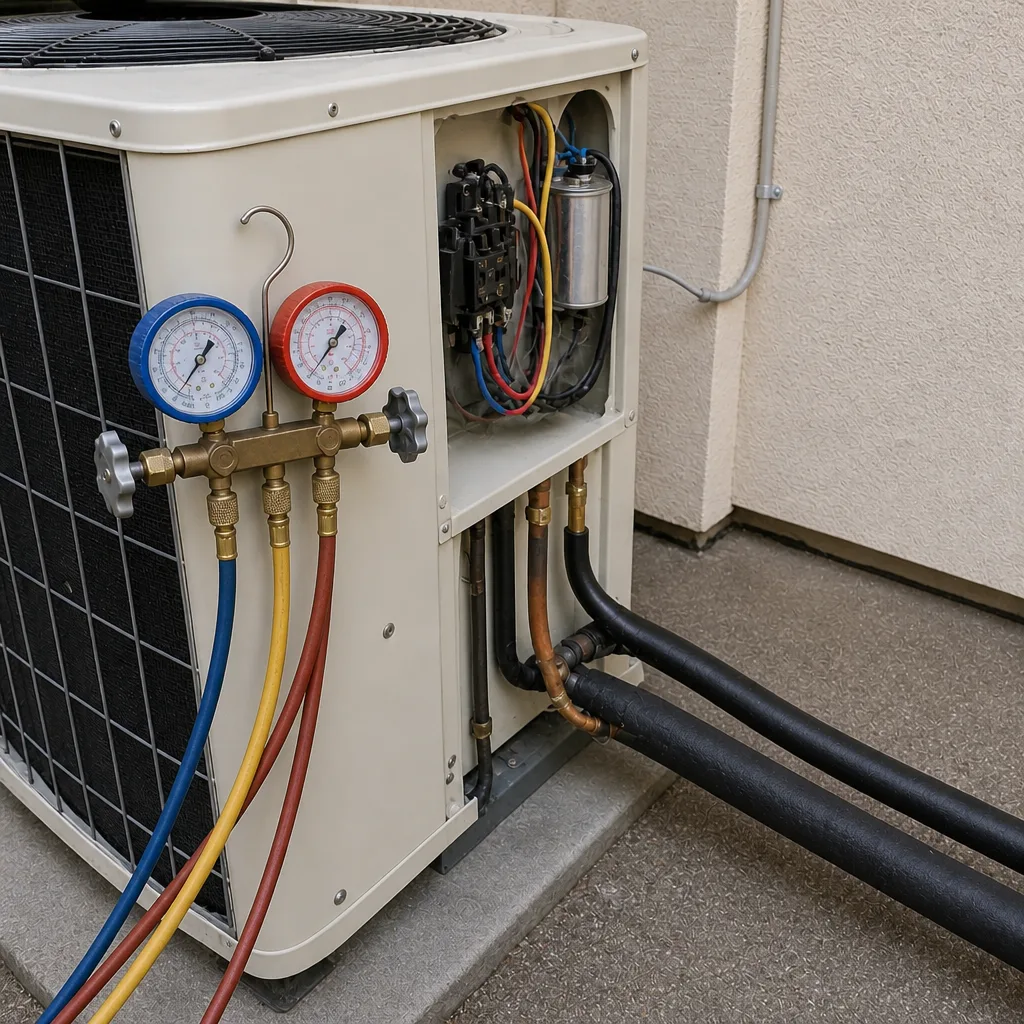
- Refrigerant line work and connections. Line sizing, routing, insulation, and leak integrity.
- Condensate management. Drain routing, slope, and termination, including where the condensate goes.
- Duct work, where in scope. Sealing, insulation, and connections at the equipment and registers.
- Clearance and placement. The condenser needs adequate clearance for airflow and service access, and its pad location matters.
- Seismic restraint and support. Equipment has to be anchored properly.
- Combustion venting and gas connections, for furnaces. Flue routing and gas piping are checked, and these are exactly the components nobody should be improvising.
Common fail points that delay final approval
The same handful of problems cause most failed inspections in Fremont. Wrong equipment model against the permit. Undersized or incorrectly wired electrical circuits, which is common in older housing stock. Condensate drains that terminate in the wrong place or run uphill. Blocked or insufficient condenser clearance. Unsealed duct connections. A missing or mismatched documentation package. Each one is a return trip and a delay, and each one is preventable by the contractor before the inspector arrives.
How to Verify Your Contractor Is Pulling the Permit
The permit is the contractor’s responsibility in nearly every residential HVAC job, and it’s the homeowner’s name that ends up on the violation if it’s skipped. That imbalance is worth understanding before you sign anything.
We’ve seen how the shortcut works: the proposal excludes the permit, the price looks competitive, and the work proceeds without a city record. The homeowner has no way to tell the difference until years later, when the system fails, a warranty claim gets denied, or the home goes on the market. The contractor has already been paid and moved on.
Here’s how to check:
- Ask directly whether the permit is included, and get it in writing. “Permit included” should appear in the written estimate, not just in conversation.
- Ask for the permit number once it’s issued. The permit is a public record. Verify it against the city’s records yourself, and confirm the scope listed matches the work being done.
- Confirm the license is active and the classification covers HVAC work. California license status is searchable through the state licensing board. Ask for the license number and look it up.
- Confirm insurance and workers’ compensation coverage. Ask for the certificate before work begins.
- Ask who schedules the inspection, and confirm you’ll receive the final sign-off. A contractor who seems vague about the inspection is a contractor worth questioning.
- Keep the permit and the inspection record. These documents matter at resale, and you’ll want them on hand.
The written estimate is where the permit question gets settled. Ours is free, and it sets the price per job.
Unpermitted HVAC Work and Real Estate Transactions
Unpermitted HVAC work in Fremont surfaces during a real estate transaction, usually at the worst possible time, and it creates real cost and delay. How it shows up:
- Permit history review during escrow. Buyers and their agents pull permit records. A replacement furnace or condenser with no matching permit stands out immediately, and it invites questions about everything else in the house.
- Open permits. A permit that was pulled but never finaled shows as open on the record. It has to be closed, and closing it may require inspection of work that’s been behind drywall for years.
- Appraisal and financing friction. An unpermitted installation can raise questions during appraisal or underwriting, which delays or sinks a sale.
- Negotiating leverage shifts to the buyer. Once unpermitted work is on the table, the seller is defending, not negotiating. The remedy usually comes out of the sale price.
- Remediation isn’t always cheap. Depending on what was installed and when, remediation can mean opening walls to expose connections, correcting electrical work, replacing equipment that doesn’t meet the efficiency minimums on record, and paying permit and inspection fees. Doing the job right the first time costs less than fixing it later.
- Warranty claims get complicated. Manufacturers can deny claims on equipment installed outside code or without required permits.
This is the strongest argument for a permitted job, and it has nothing to do with the city. It’s about the value of your home.
Why Fremont’s Climate and Housing Stock Affect the Job
Fremont’s climate is mild, which leads a lot of homeowners to treat HVAC work as a small matter compared to what they’d worry about in a harsher region. The mild climate cuts both ways. Cooling load matters, but it isn’t extreme, which means correct sizing matters more, not less. A system oversized for the load short-cycles, dehumidifies poorly, and wears faster. That’s a Title 24 compliance issue and a comfort issue at the same time.
The housing stock adds its own wrinkles. Fremont has neighborhoods like Centerville, Niles, Irvington, Mission San Jose, Warm Springs, and Ardenwood, and the homes across those areas span a wide range of eras and construction. Older homes often have panels that weren’t sized for modern equipment and duct systems that predate current sealing standards. Those are the jobs where the electrical inspection and duct inspection catch things, and where skipping the permit hurts most, because the underlying problems go undiagnosed.
Furnace work brings its own requirements. Combustion venting and gas connections are inspected, and these are the parts of an HVAC system most likely to create a serious safety problem if they aren’t done correctly. This is not work for a homeowner to handle alone. A gas leak or a venting failure is a real hazard, and it’s not detectable by smell alone in every case.
We’re furnace and AC specialists, which matters here. Air conditioning and heating components interact: airflow, static pressure, the evaporator coil, and the blower all affect each other. A single-trade contractor working on one half of the system can miss a cross-system issue that shows up later as a performance problem nobody can explain. For the broader picture of what we handle across the city, see Fremont.
If your system is failing, our Fremont AC Repair team can diagnose it and tell you honestly whether it’s a repair or a replacement. Our technicians have up to 8 years of experience, and we work across Carrier, Trane, Bryant, and American Standard as well as the value-tier brands. Nine major brands, one call.
Common Mistakes to Avoid
- Assuming a like-for-like swap is exempt. It isn’t, in most cases. The equipment is still a permitted appliance with efficiency requirements, and the permit is still required.
- Letting the contractor skip the permit to keep the price low. The savings are not passed to you; the liability is. Ask for the permit number in writing.
- Buying equipment on price alone without checking Title 24 compliance. A unit that doesn’t meet the current efficiency minimum can’t be legally installed, and buying one means buying twice.
- Ignoring electrical capacity in an older home. A panel that wasn’t sized for modern equipment is a common inspection failure, and it’s cheaper to identify before installation than after.
- Treating the inspection as a formality. Failed inspections cost time and money. A contractor who inspects their own work before calling the city is a contractor worth keeping.
- Not keeping the permit and inspection documentation. You’ll need it at resale. A closed permit in hand is worth more than a promise.
- Trying to handle combustion or electrical components yourself. Furnace venting, gas connections, and panel wiring are dangerous and are not homeowner work. Call a trained professional.
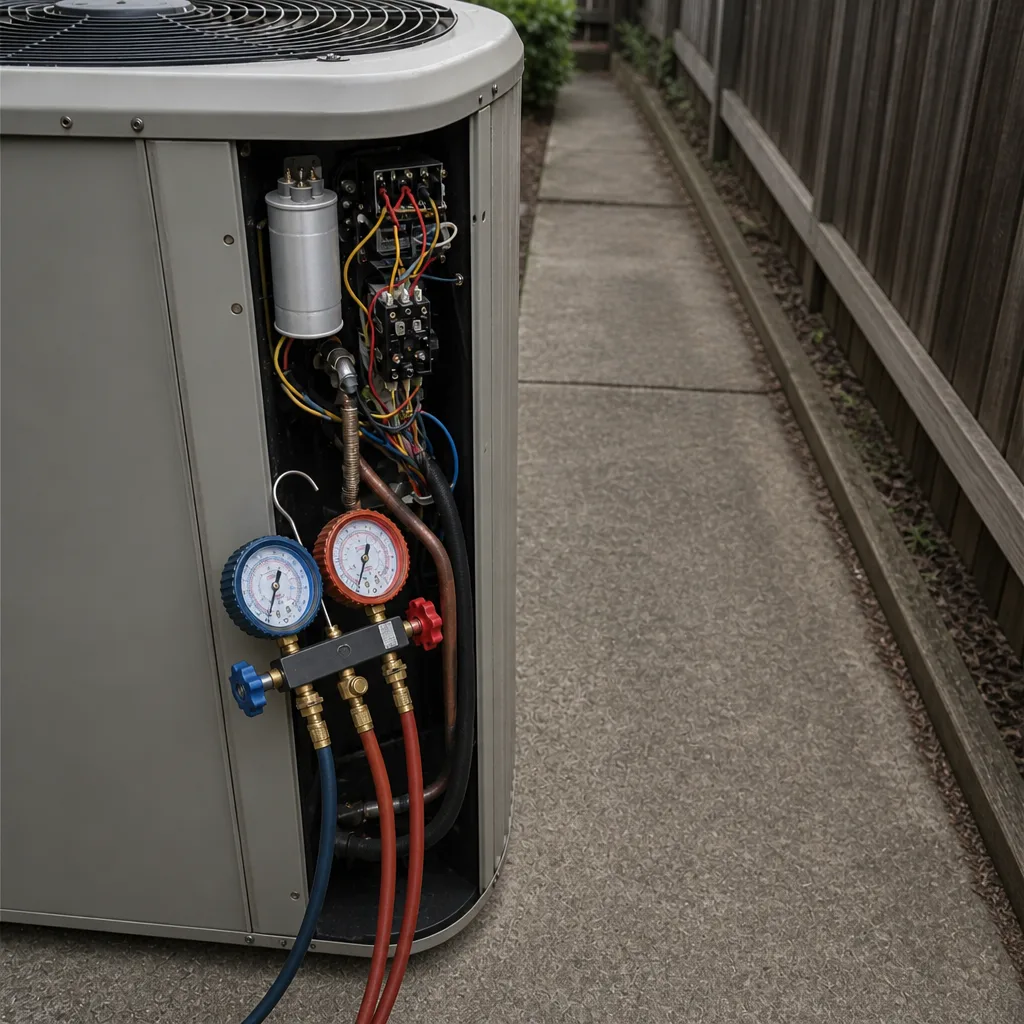
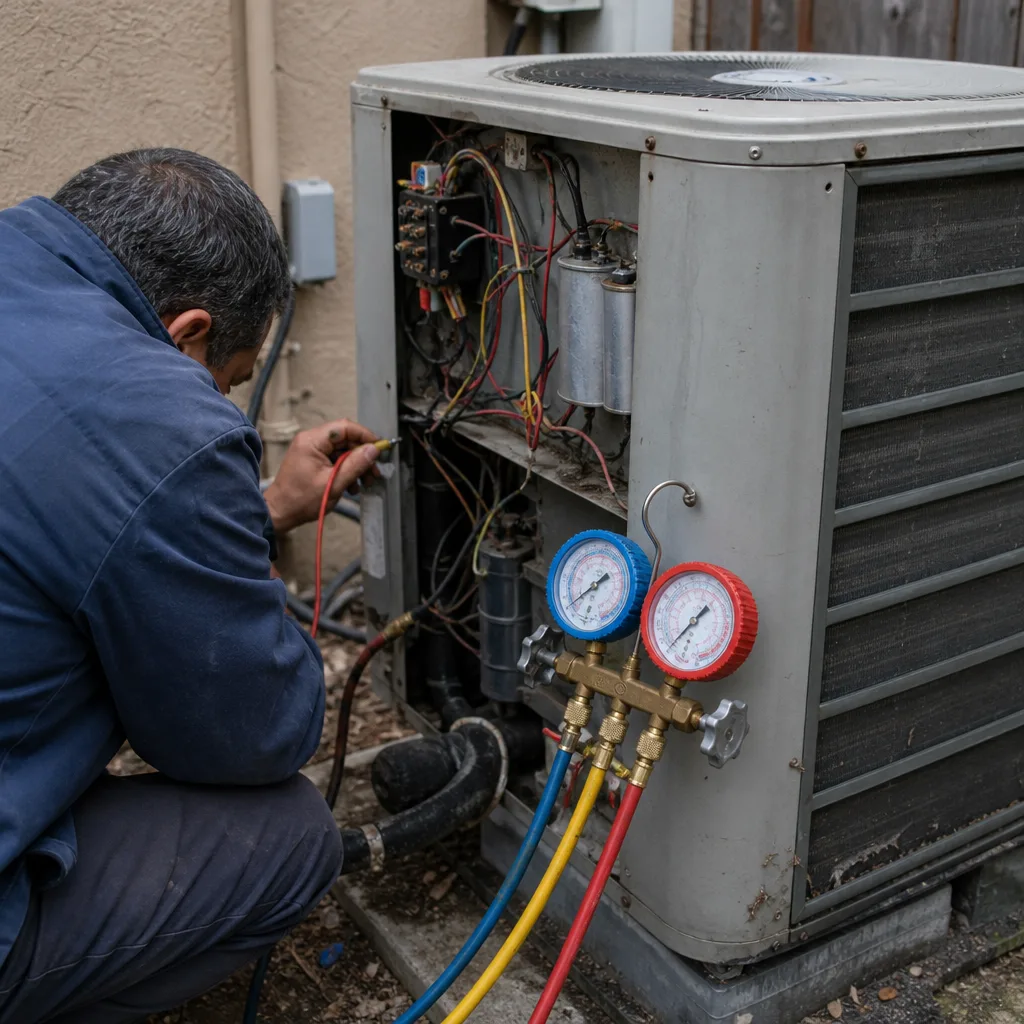
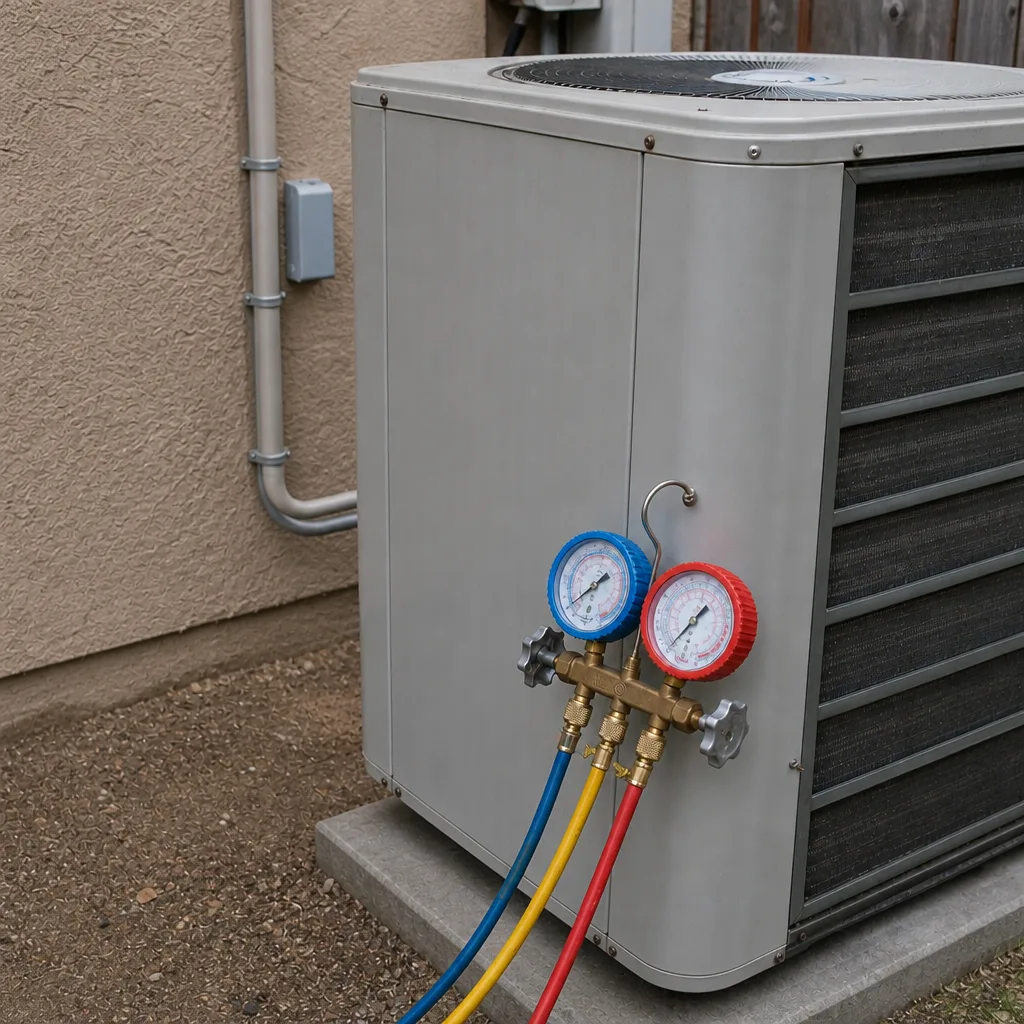
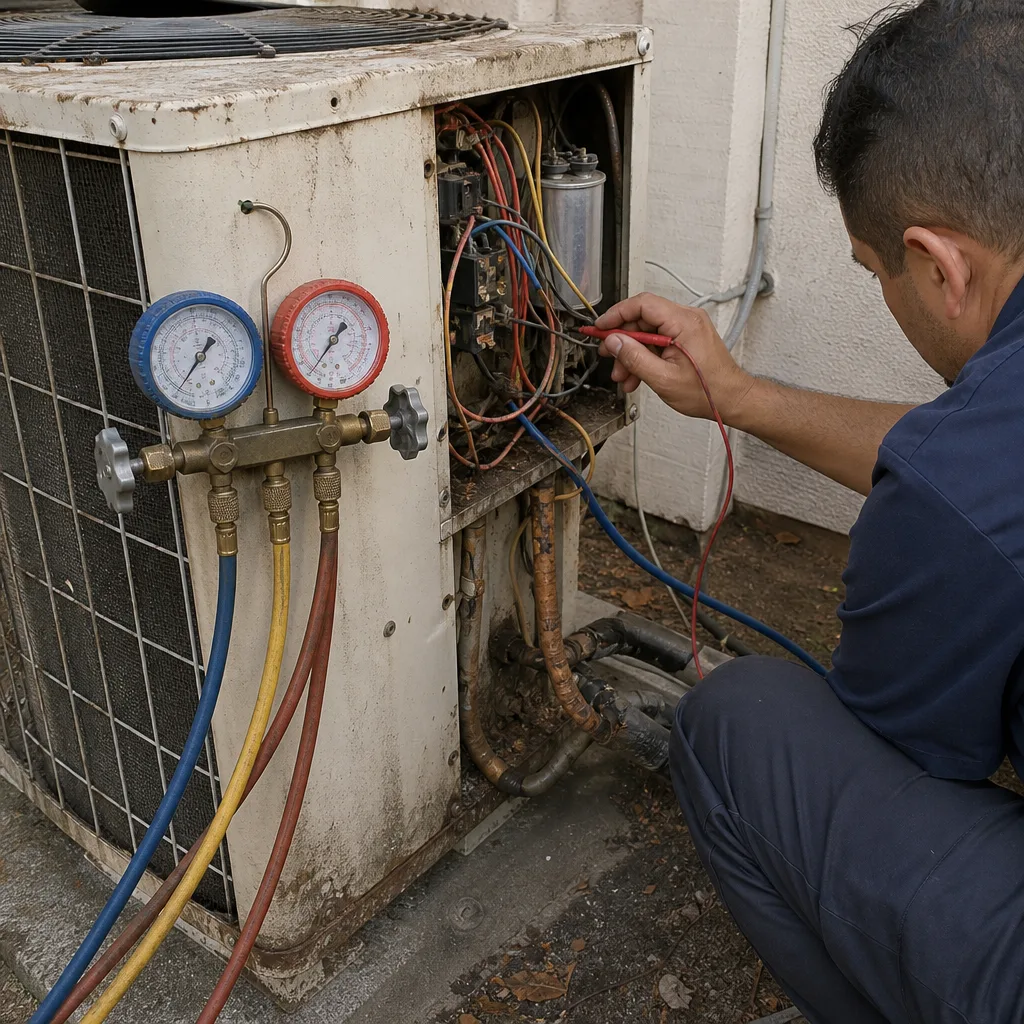
See the difference
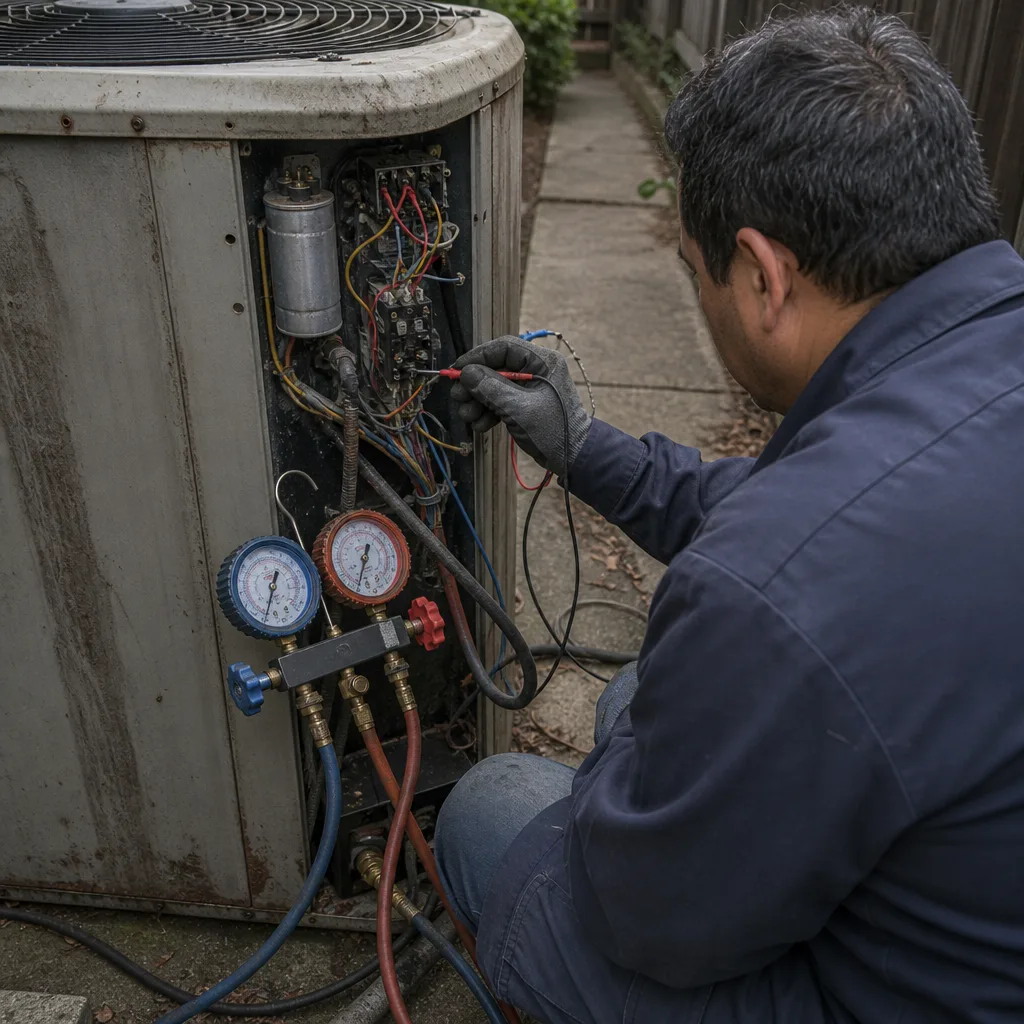 Before
 After
 Before
 After
 Before
 After
When to Call a Professional
Call a professional when your system is short-cycling, blowing warm air, making new noises, or has stopped cooling or heating entirely. Call before you sign anything involving a replacement, because the equipment selection has code implications you want checked first. Call if you’re buying or selling a home in Fremont and the permit history isn’t clear, because that’s a problem worth solving before escrow. Call if you’re unsure whether a project needs a permit; that question is cheaper to answer than to regret. A gas smell or a suspected venting problem is urgent, and it should be handled by a trained technician, not attempted at home. We service the brands already in your home instead of steering you toward unfamiliar equipment.
Fremont AC Repair offers free estimates in Fremont – call (855) 473-9061.
Frequently Asked Questions
Yes, in most cases, including a like-for-like replacement of the same size and model class. The replacement unit must also meet California Title 24 efficiency requirements, including the SEER2 minimums. Call (855) 473-9061 for an exact quote – estimates are free.
Permit fees are set by the Fremont Building Division’s current fee schedule and scale with the scope and valuation of the work. Fees change, so the figure that matters is the one you get from the city at intake. We list the permit in the written estimate so there are no surprises; the written estimate sets the final price. Call (855) 473-9061 for an exact quote.
Most residential replacements use a simplified submittal path, but timing depends on the Building Division’s current workload and inspection scheduling. Build the permit and inspection into your project timeline rather than assuming same-week completion. Call (855) 473-9061 to plan the schedule.
It usually surfaces during escrow when the buyer’s agent reviews permit history, and it can stall financing or shift negotiating leverage entirely to the buyer. Remediation can mean opening walls, correcting electrical work, replacing non-compliant equipment, and paying permit and inspection fees. Call (855) 473-9061 before the work is done rather than after.
No. A furnace replacement is a permitted project with combustion, venting, and efficiency requirements attached, and it’s inspected. Gas connections and flue work are dangerous components; a trained professional should handle them. Call (855) 473-9061 for a free estimate.
No. Filter replacement, standard thermostat replacement, and coil cleaning don’t require a permit. New low-voltage wiring run to a new thermostat location is different, so confirm the scope before assuming it’s exempt. Call (855) 473-9061 if you’re unsure.
The Bottom Line
Permits are the part of HVAC work homeowners are most likely to get wrong, and the consequences land on the homeowner, not the contractor who skipped them. In Fremont, equipment replacement, new ductwork, and related electrical work require a permit, like-for-like swaps included, and equipment has to meet California Title 24 and SEER2 requirements. The process has a defined order and the inspection has defined checks. The shortcut leaves you with a code violation, a warranty risk, and a problem at resale. We install, repair, and replace systems from nine major brands, and we do it permitted. Call (855) 473-9061. We answer 24/7. Fast dispatch from 7am to 7pm, Sunday through Friday.
Written by the team at Fremont AC Repair.