
Last updated November 15, 2026
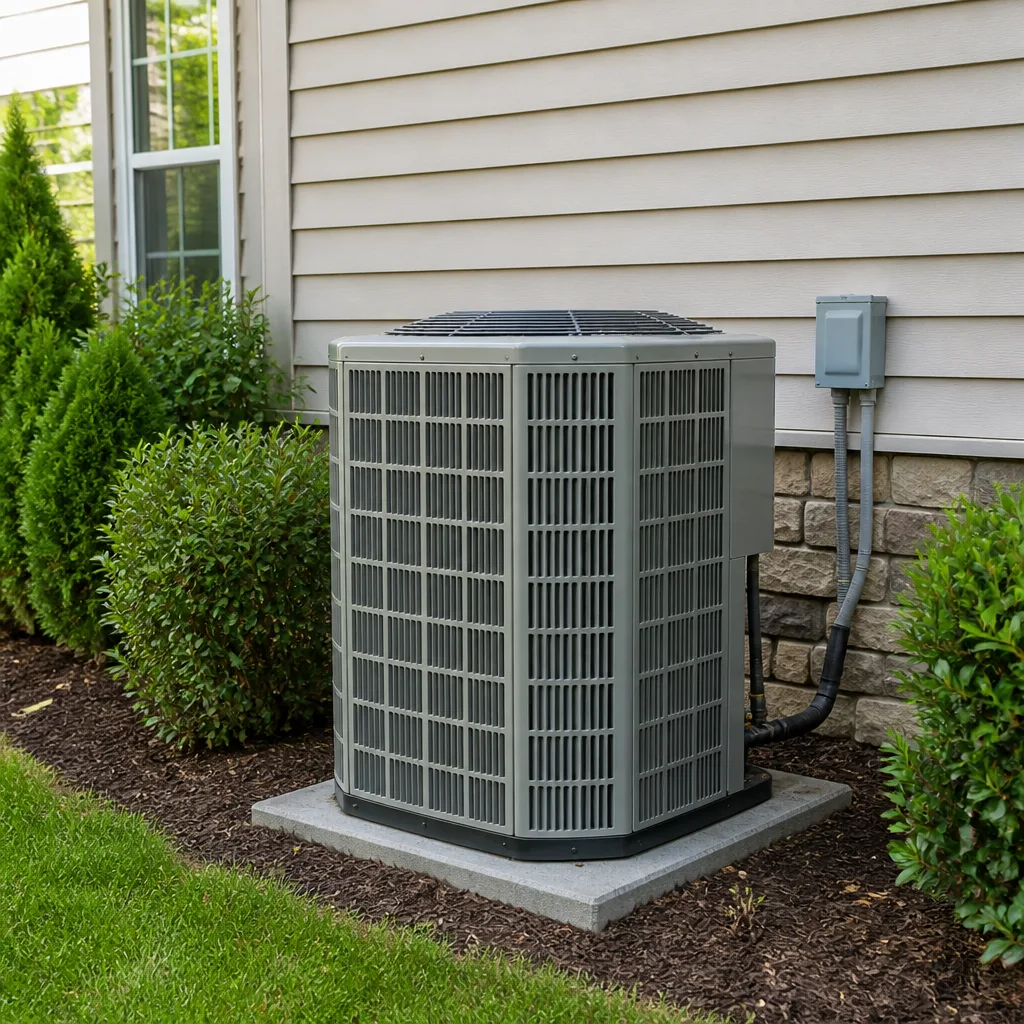 AC repair
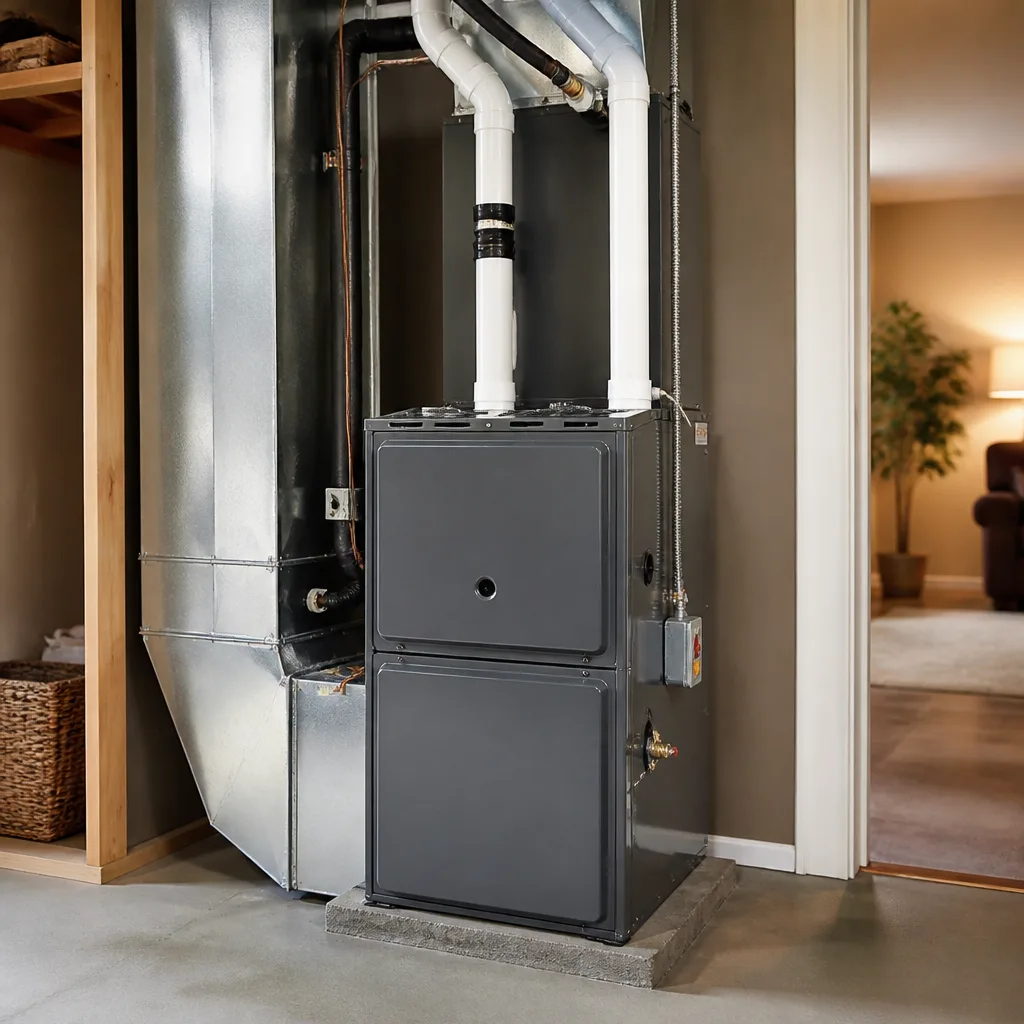 Furnace & heating
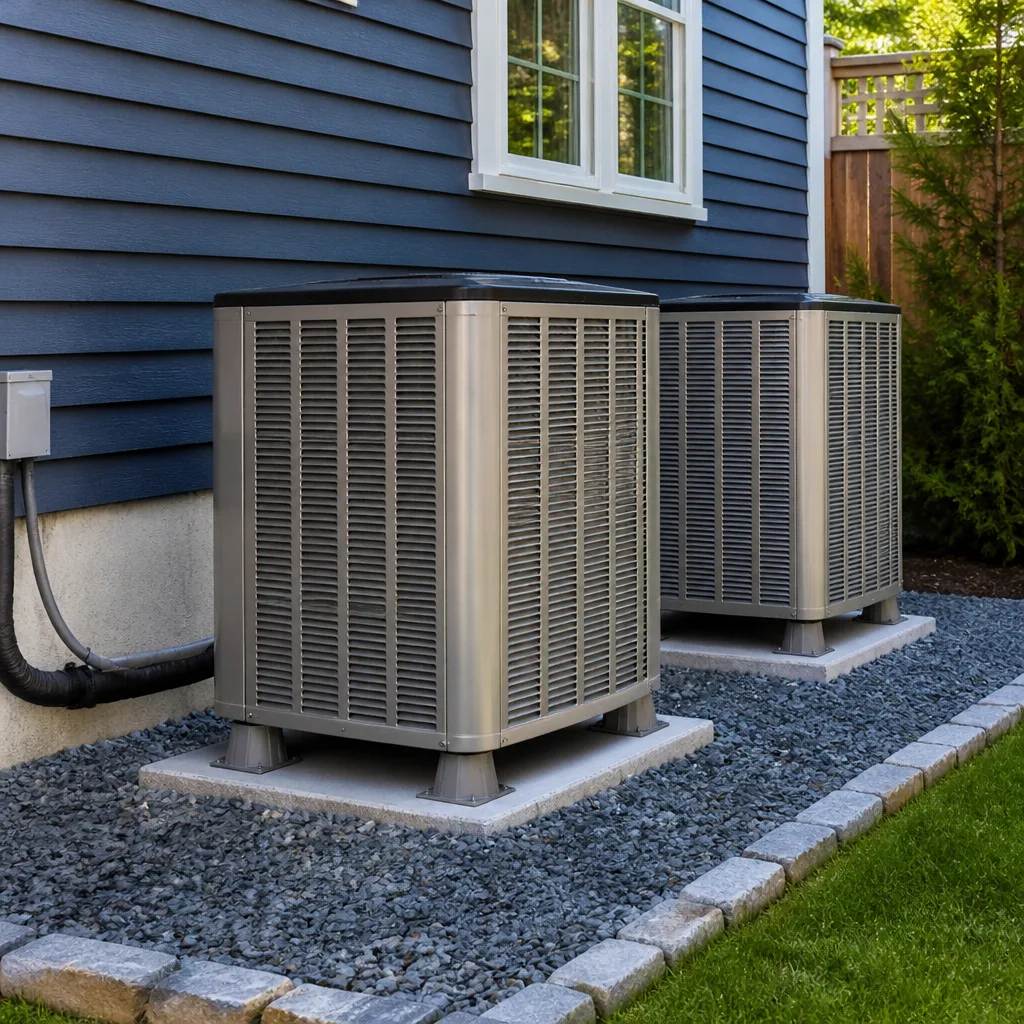 Heat pumps
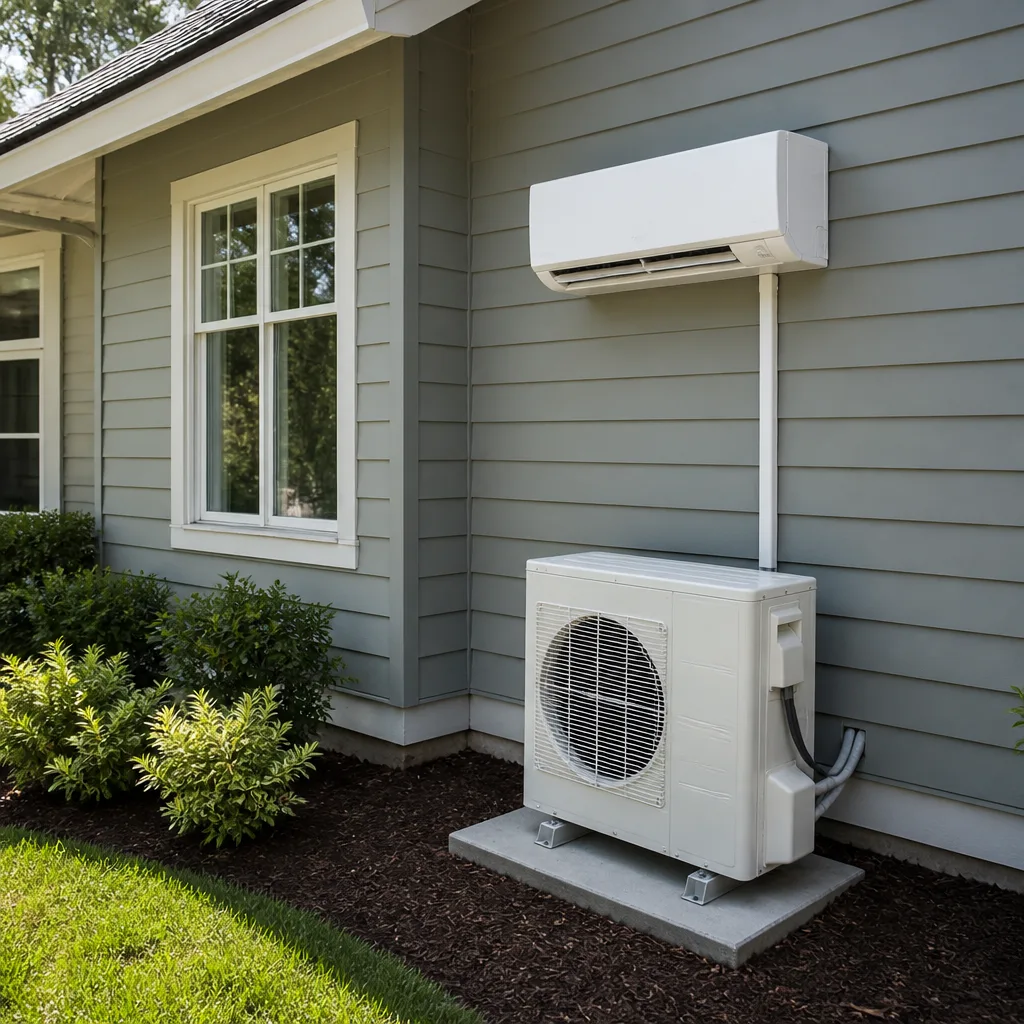 Ductless mini splits
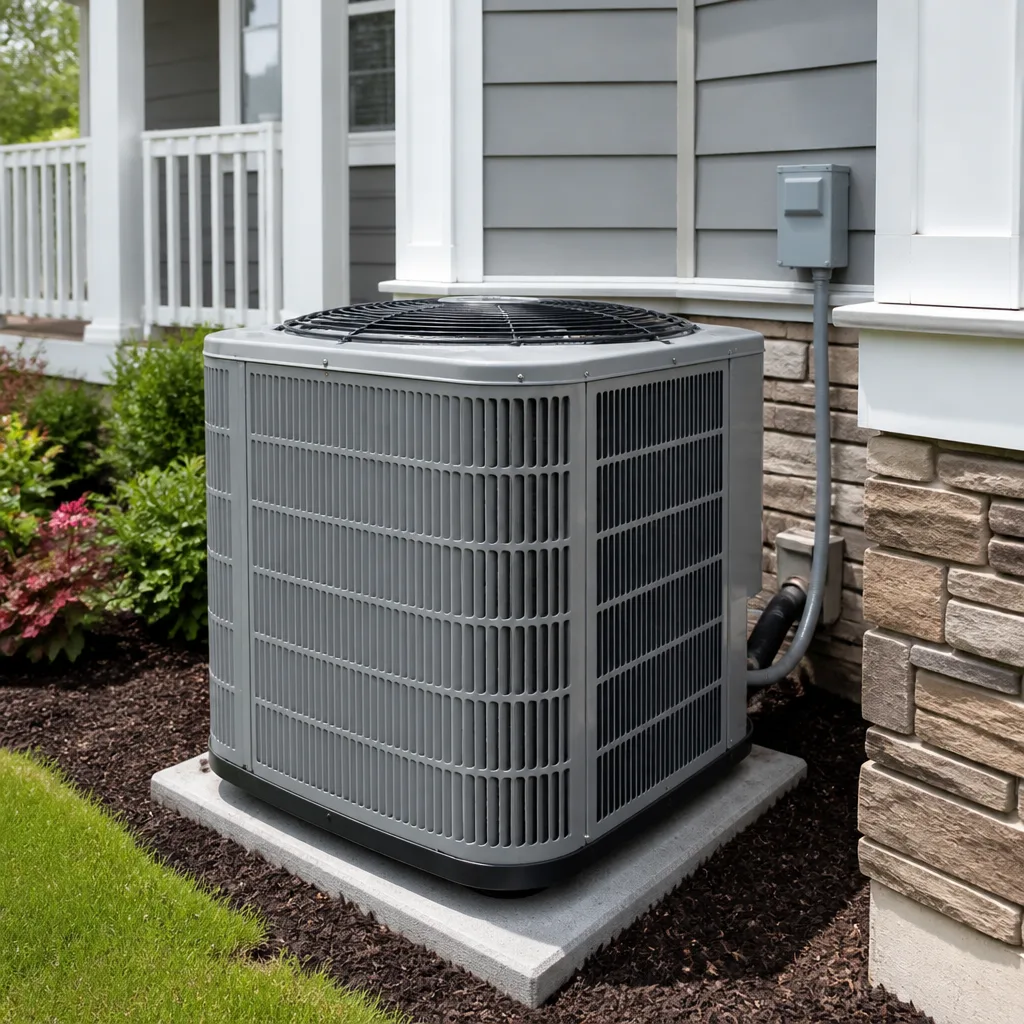 Carrier
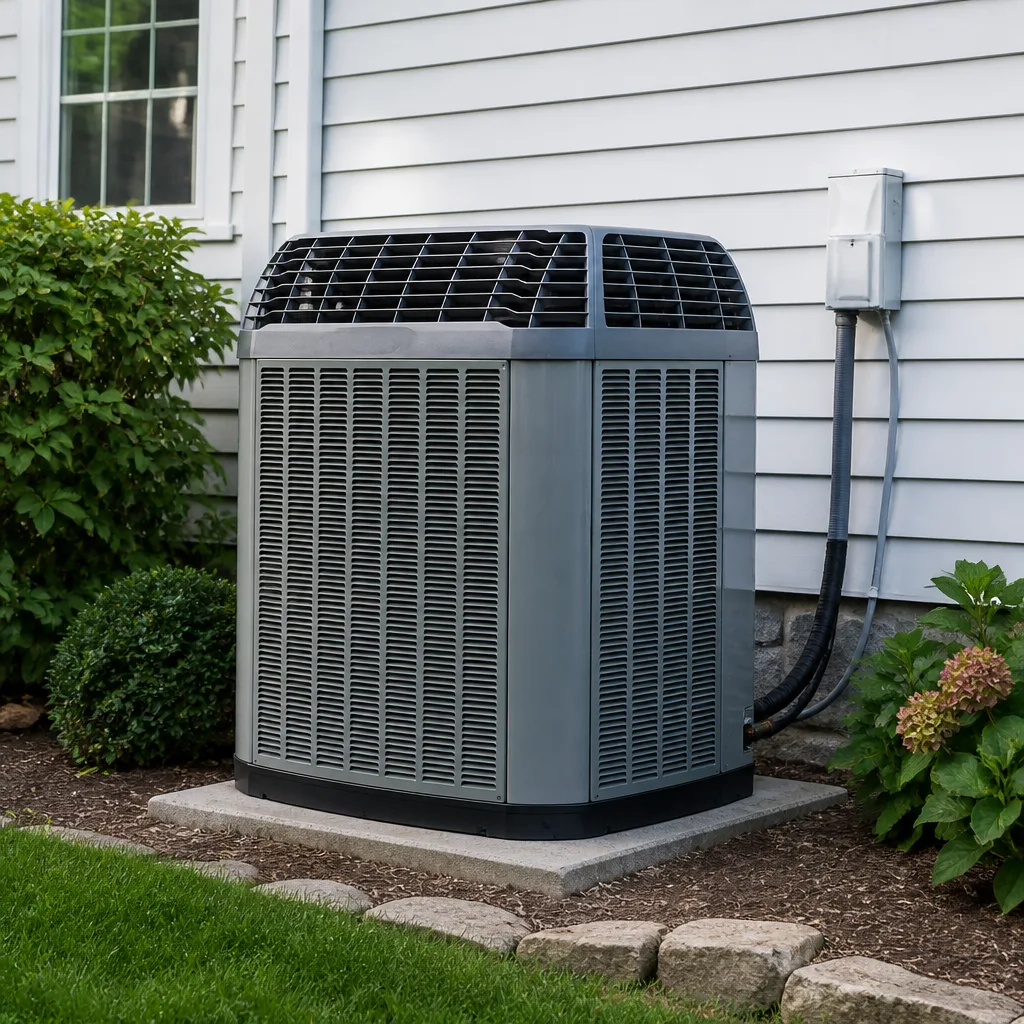 Trane
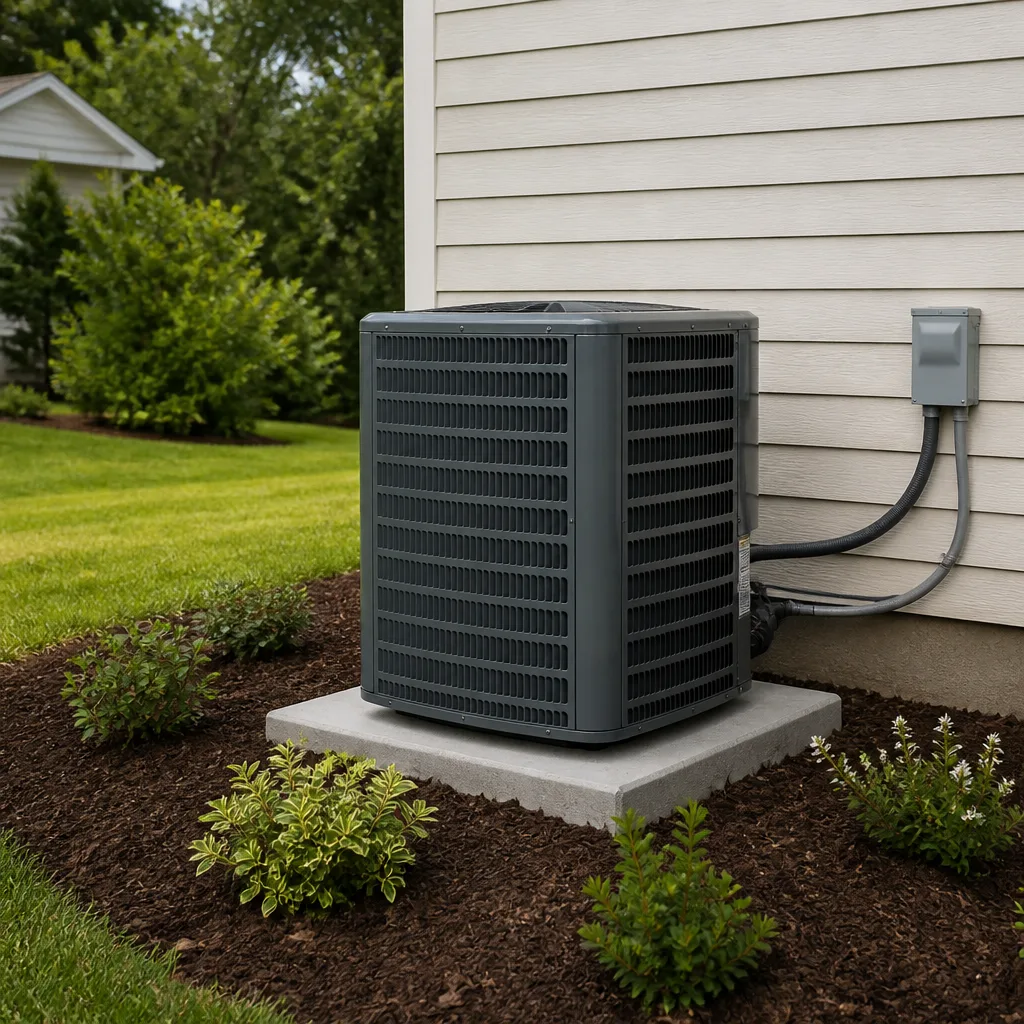 Goodman
Seasonal tune-up and full diagnostic on your Carrier, Trane, or Goodman system - readings shown to you before any repair is proposed
Diagnosis first, numbers second - you approve the repair price before a single part goes in.
Get your free estimateSeasonal HVAC Care for Fremont: Year-Round Homeowner’s Guide
Most HVAC advice you’ll find online was written for a place with four clean seasons, where you switch the AC on in May and forget it until September. Fremont doesn’t work that way. An October heat wave can push temperatures toward triple digits weeks after you’ve mentally moved on to heating season, and a stubborn marine layer in June can leave your AC idle while your heating system quietly carries the load. Homeowners who follow a calendar built for Chicago or Minneapolis get caught off guard here. This guide reframes seasonal HVAC care around Fremont’s actual weather, covering what to check each part of the year, how heat pump care differs, and when a filter swap helps more than it hurts.
Quick Answer
In Fremont, seasonal HVAC care means checking your cooling system in spring but keeping it ready through fall, because late heat events are common, and giving your heating system attention in early fall before the first cold nights. Heat pumps and traditional split systems need different seasonal steps, and wildfire smoke season calls for higher-MERV filters used strategically rather than year-round.
Styles & brands we work with
- AC repair
- Furnace & heating
- Heat pumps
- Ductless mini splits
- Carrier
- Trane
- Goodman
Table of Contents
- Fremont’s Actual Weather Calendar and What It Means for Your System
- Spring: Cooling Prep and the June Gloom Trap
- Summer: When Your Heating System Still Matters
- Fall: Heating Prep and Late Heat Readiness
- Winter: Mild Weather, Real Maintenance
- Heat Pump Seasonal Care That Differs From Split Systems
- Filters, Wildfire Smoke, and the MERV Trade-Off
- Preparing for October and November Heat Events
Fremont’s Actual Weather Calendar and What It Means for Your System
Fremont sits in a band of the East Bay where the weather doesn’t follow a script. Summer mornings often arrive gray and cool from the marine layer pushing through the Golden Gate and over the hills, then burn off by midday. Fall can bring some of the hottest days of the entire year. Winter is mild, with chilly nights but rarely the deep freezes that dominate HVAC advice written for colder regions. That pattern matters because it changes when your equipment actually works hardest.
Here’s the rough calendar we plan around for Fremont homes:
- January – February: Heating runs at night and early morning. Days can be mild enough that the system cycles on and off. This is a good window for a heating inspection before the equipment has logged a full season of use.
- March – April: Transition months. Neither system runs constantly, which makes this the cleanest time to schedule cooling maintenance before demand picks up.
- May – June: Marine layer mornings and warm afternoons. Cooling demand builds, but it’s uneven. Heating may still kick on during cool evenings.
- July – September: The core cooling stretch. Inland Fremont neighborhoods run hotter than those closer to the bay, so demand varies block by block.
- October – November: The wildcard. Late heat events are increasingly common, and this is when unprepared systems fail.
- December: Cold nights, mild days. Heating carries the load.
If you plan maintenance around this rhythm instead of a generic four-season template, you’ll catch problems before they strand you. For emergency situations, our Fremont AC Repair team handles diagnostics and repairs across the full calendar.
Spring: Cooling Prep and the June Gloom Trap
Spring in Fremont is deceptive. Days are pleasant, the AC barely runs, and it’s easy to assume everything is fine. Then June arrives with morning fog and afternoon warmth, and the first real cooling demand exposes a system that sat idle for months. The June gloom pattern is the specific trap here: because mornings stay cool, many homeowners don’t notice their AC isn’t performing well until a genuinely hot afternoon arrives and the house won’t cool down.
What spring cooling prep should cover:
- Check the outdoor condenser. Clear leaves, debris, and anything stacked against the unit. Airflow matters more than most people realize, and a blocked condenser works harder and cools worse.
- Test the system on a warm afternoon. Run the AC for 20 – 30 minutes before you actually need it. If it short-cycles, blows warm air, or makes unusual noises, you’ve found the problem early instead of during a heat wave.
- Inspect and replace the filter. A clogged filter is the single most common cause of reduced cooling performance. We’ll cover filter strategy in detail further down.
- Check the condensate drain. Cooling systems pull moisture out of the air, and a clogged drain line can cause water damage or trigger a safety shutdown.
- Listen for the compressor. Grinding, clicking, or a compressor that won’t start at all points to a component issue that needs a technician.
If your system is older or has a history of problems, spring is also the right time to get a straight assessment of whether repair or AC installation makes more sense. That decision is easier to make calmly in April than in a rush during a September hot spell. We service Carrier, Bryant, and American Standard systems among many others, so we can evaluate what you already have rather than steering you toward unfamiliar equipment.
Summer: When Your Heating System Still Matters
Here’s something that surprises homeowners moving to Fremont from hotter inland areas: summer here often asks more of your heating system than your cooling system, at least in the neighborhoods closer to the bay. Marine layer mornings can leave the house cool enough that the heat kicks on for a stretch, especially in older homes with less insulation. If you have radiant floor heat or a heat pump that reverses between heating and cooling, summer is when that equipment actually gets exercised.
That means summer isn’t a “heating off” season in Fremont. A few things worth watching:
- Watch for short cycling in heating mode. If your heat pump or furnace runs for a couple of minutes, shuts off, then repeats, that’s a sign of a control or sizing issue worth checking.
- Pay attention to uneven temperatures. A room that stays cold in summer or hot in winter often points to a distribution problem rather than an equipment failure.
- Don’t ignore strange smells on first heat use. The dusty smell when a furnace fires up after months idle is usually normal, but a persistent burning or metallic smell is not.
- Note any unusual sounds. Banging, rattling, or whining during heating operation in summer months should go on your list for a technician visit.
If something sounds off, furnace repair is worth scheduling before the real heating season arrives. Getting it fixed in July beats waiting until the first cold night in November when everyone else is calling too.
Fall: Heating Prep and Late Heat Readiness
Fall is the most important season for HVAC planning in Fremont, and it’s the one most homeowners get wrong. The instinct is to shift entirely to heating prep, shut down cooling, and coast into winter. The problem is that October and November increasingly bring heat events that catch systems and homeowners flat-footed. You need to do both: prepare for heating and keep cooling ready.
Fall heating prep checklist:
- Schedule a heating inspection early. Before the first genuinely cold nights, have the furnace or heat pump checked. Combustion systems deserve a professional eye, especially gas furnaces.
- Test the heat before you need it. Run the heating system on a cool morning for 15 – 20 minutes to confirm it fires up and warms evenly.
- Check the thermostat’s heat mode. This sounds trivial, but a surprising number of “my heat won’t turn on” calls turn out to be a thermostat setting or a dead battery in a programmable unit.
- Clear the area around the furnace. Combustion appliances need airflow. Don’t stack boxes, paint cans, or storage against the unit.
- Keep the AC ready. Don’t pack away cooling expectations in September. Leave the filter in good shape and test the AC once more in early October.
One safety note that matters: gas furnace work involves combustion, venting, and carbon monoxide risk. We don’t recommend homeowners open panels or attempt gas-side repairs themselves. If you smell gas or suspect a venting problem, call a professional immediately. A trained technician should handle anything beyond a filter change and thermostat adjustment.
Winter: Mild Weather, Real Maintenance
Fremont winters are mild enough that heating systems often run less than homeowners expect. That’s actually a maintenance risk, not a comfort win. Equipment that runs intermittently can develop problems that stay hidden for weeks, then surface on the coldest night of the year when the system is asked to work harder. A system that never had a full workout in November can fail in January.
Winter care priorities:
- Keep the filter clean. Heating season means more runtime, and a dirty filter strains the blower and reduces airflow to every room.
- Listen for new sounds. A furnace that develops a rattle, a squeal, or a boom is usually telling you something. Catch it before it turns into a no-heat call.
- Don’t block vents. Rugs, furniture, and curtains over vents cause uneven heating and make the system work harder.
- Check the carbon monoxide detector. Any home with a gas furnace should have working CO detectors. If yours is older than the manufacturer’s replacement guidance, replace it.
- Watch the outdoor unit if you have a heat pump. It will run in heating mode, and ice buildup or a defrost cycle that seems to run too long is worth a look.
If you’re seeing problems, a heating specialist should look at the system. We service Daikin, Carrier, and American Standard equipment among others, so whether you have a newer heat pump or an older furnace, the diagnosis starts from the equipment you actually own.
Heat Pump Seasonal Care That Differs From Split Systems
Heat pumps deserve their own seasonal approach because they’re doing year-round work. A traditional split system has a cooling side and a separate heating side. A heat pump reverses to handle both, which means seasonal care overlaps and a problem in one mode can affect the other. Most generic maintenance guides skip this entirely, and that’s a gap for Fremont homeowners who have heat pumps.
What heat pump seasonal care looks like in Fremont:
- Check both modes at every seasonal visit. Don’t just test cooling in spring and heating in fall. Test both each time, because a reversing valve or defrost issue may only show up in one mode.
- Clear the outdoor unit year-round. A heat pump condenser runs in winter too. Debris, leaves, or furniture stacked nearby restricts airflow in both cooling and heating.
- Watch the defrost cycle in winter. Heat pumps periodically defrost the outdoor coil. A normal cycle is brief. A long or frequent cycle that leaves the unit iced over signals a problem.
- Keep the condensate line clear. Heat pumps pull moisture in both modes. A clogged drain can shut the system down unexpectedly.
- Match the thermostat strategy. Heat pumps work best with steady settings rather than big setbacks. A programmable thermostat running huge temperature swings forces the auxiliary heat on more often, which costs more and stresses the system.
If you’re unsure whether your system is a heat pump or a standard split system, look at the outdoor unit and check your thermostat for an emergency or auxiliary heat setting. A heat pump will almost always have both a heating and cooling function on the same outdoor equipment. When in doubt, a technician can confirm in a few minutes.
Filters, Wildfire Smoke, and the MERV Trade-Off
Filters are where seasonal care actually intersects with air quality, and Fremont’s wildfire smoke season makes this more complicated than the standard “change your filter every three months” advice. Here’s the trade-off: higher-MERV filters capture more fine particles, including smoke, but they also restrict airflow. A filter rated high enough to catch smoke particles may strain a blower not designed for that resistance, which reduces efficiency and can damage the motor over time.
How to think about it seasonally:
- Baseline: use the filter your system was designed for. For most homes, that’s a MERV 8 to MERV 11 filter during normal conditions. It captures dust and pollen while keeping airflow within spec.
- Wildfire smoke events: switch temporarily to a higher-MERV filter if your system can handle it. Check the manufacturer’s recommended maximum MERV rating for your equipment, and if you’re unsure, ask a technician before going higher.
- After smoke season: return to the baseline filter. Don’t leave a high-MERV filter in permanently unless your system is rated for it. The restriction isn’t worth the efficiency loss when the air is clear.
- During heavy smoke, consider running the system with the fan set to “on” so it keeps filtering even when heating or cooling isn’t actively running. This works best with a filter rated to your system’s limit.
- If you have a heat pump or high-efficiency furnace, be careful with very high-MERV filters. Some variable-speed systems can handle them; many fixed-speed systems cannot.
This is the kind of decision that benefits from knowing your specific equipment. A heat pump from Daikin or a furnace from Carrier may have different filter tolerance than an older system. When we look at a home, we check what the equipment can handle before recommending a filter strategy.
Preparing for October and November Heat Events
Late heat events are the single most overlooked part of seasonal HVAC care in Fremont. Most homeowners mentally close out cooling in September, and when a hot stretch hits in October, they discover the AC isn’t ready. The fix is a short preparation routine you can run in early fall, not a full spring startup.
How to prepare without running a full spring procedure:
- Test the AC on the first warm October afternoon. Run it for 20 minutes. Confirm it cools and doesn’t short-cycle. If it fails, you’ve found the problem before a heat wave.
- Check the filter. If it was replaced in spring, it may still be clean. If it’s clogged from summer, change it now.
- Clear the condenser. Leaves drop in fall, and a condenser packed with debris will struggle exactly when you need it.
- Don’t touch the thermostat schedule. If you’ve shifted to heating mode, switch the thermostat back to auto so it can call for cooling if indoor temperatures climb.
- Know your system’s history. If the same unit has struggled in past heat events, get it looked at before the next one. Repeated failures are a pattern, not bad luck.
This matters because a cooling failure during a late heat event is more than uncomfortable. For older adults, young children, and anyone with health conditions, indoor heat is a genuine risk. It’s worth having a Fremont technician confirm your system can handle a late-season hot stretch.
Common Mistakes to Avoid
- Treating October like heating-only season. Late heat events are common in Fremont, and a system that hasn’t been tested since August may not have another hot day left in it. Keep the AC ready through fall.
- Leaving a high-MERV filter in permanently. Higher MERV helps during wildfire smoke but restricts airflow the rest of the year. Return to your system’s rated baseline filter once smoke season ends.
- Skipping the spring AC test because “it’s not hot yet.” June gloom mornings hide cooling problems until the first genuinely warm afternoon. Test in spring, not when you need it.
- Ignoring heating-system sounds in summer. A heat pump that runs for heating in summer will tell you about problems early. Banging or rattling isn’t normal at any time of year.
- Blocking the outdoor condenser with storage or landscaping. Airflow matters year-round, and a blocked condenser is one of the simplest problems to avoid.
- Assuming a heat pump needs the same checklist as a split system. Test both heating and cooling modes at every seasonal check. A reversing valve issue in one mode may not show up in the other.
- Running a full spring startup in October. You don’t need a full procedure to prepare for a late heat event. A short test, a filter check, and a clear condenser cover the essentials.
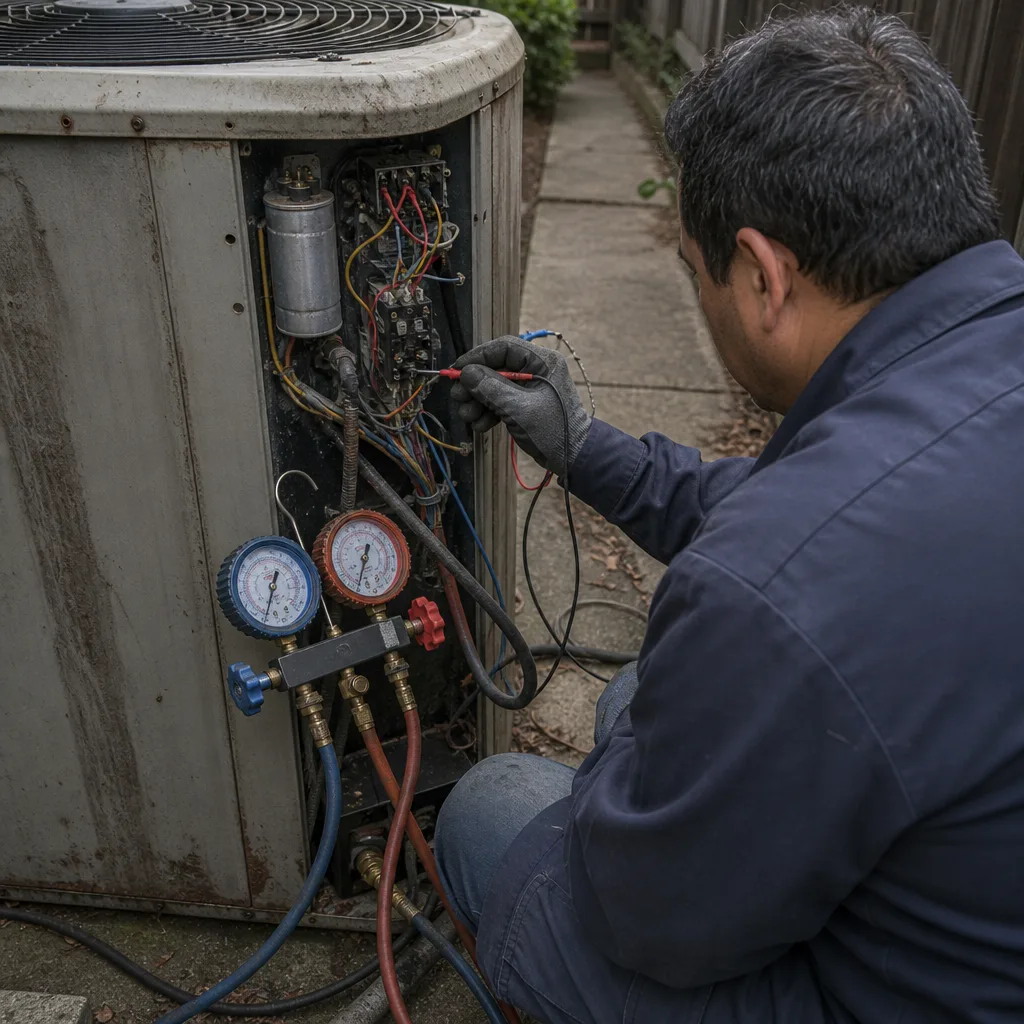
See the difference
 Before
 After
 Before
 After
 Before
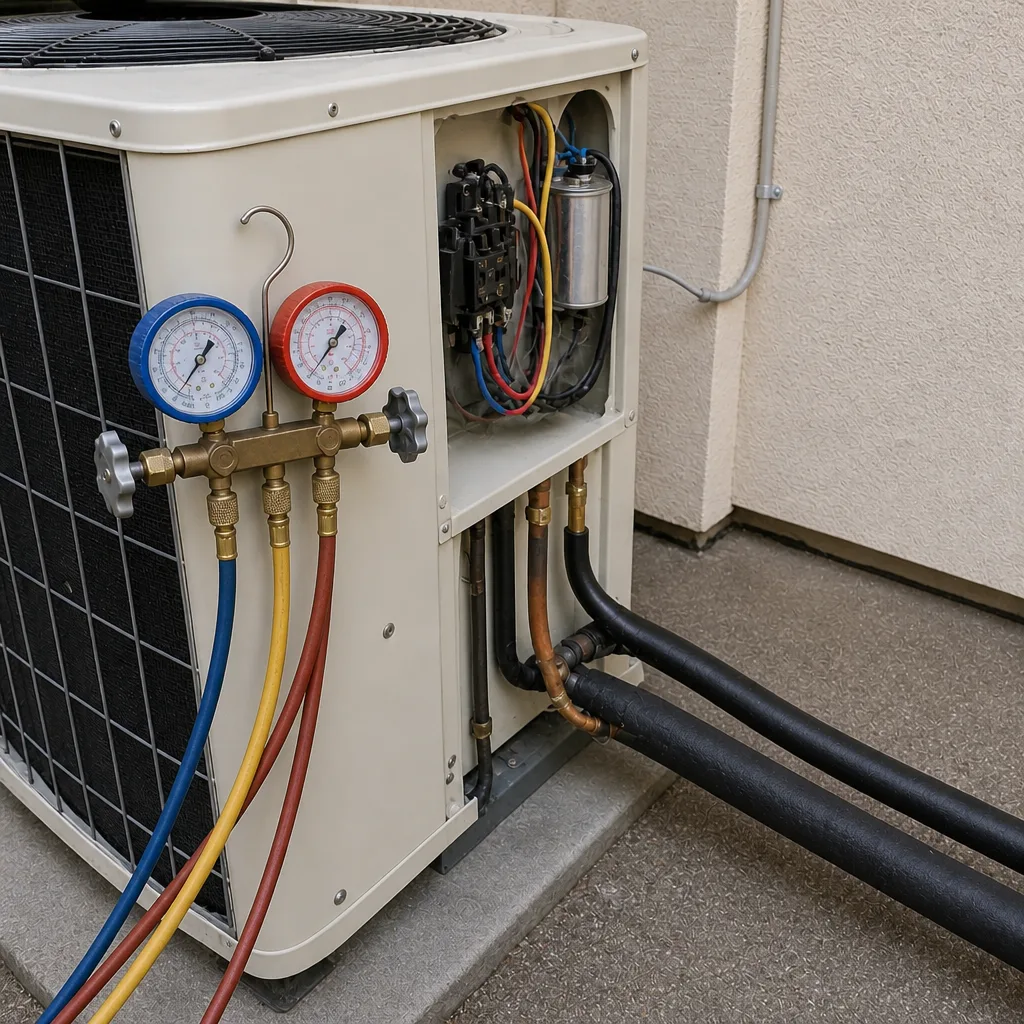 After
When to Call a Professional
Some seasonal checks are things any careful homeowner can handle: changing a filter, clearing debris from the condenser, testing the system on a warm day, and keeping vents unobstructed. But certain situations need a trained technician, and calling early saves you money and discomfort. Call a professional if your system blows warm air during cooling, if the furnace or heat pump won’t start, if you smell gas or anything burning, if the breaker trips when the system runs, or if you hear banging, grinding, or repeated clicking. Carbon monoxide alarms and venting concerns are emergencies. And if your equipment is past its typical service life and has needed repeated repairs, it’s time for a replacement conversation. Fremont AC Repair offers free estimates in Fremont, so you can get a clear picture before committing to anything. Call (855) 473-9061. We answer 24/7. Fast dispatch from 7am to 7pm, Sunday through Friday.
Frequently Asked Questions
Once a year for each side of the system is a good baseline, which means an annual cooling check and an annual heating check. Because Fremont’s weather doesn’t divide cleanly into seasons, we recommend testing both modes yourself in spring and fall, and having a technician look at the equipment at least once annually, ideally before the season when it will run hardest. Homes with heat pumps benefit from a single combined checkup that tests both heating and cooling.
A system that sat idle for weeks in September can develop problems that only show up when it’s asked to run again. A clogged filter, debris around the condenser, or a failing capacitor can go unnoticed during the cooler stretch, then fail on the first hot October day. Test the AC on an early fall warm afternoon so you’re not discovering the problem during a heat wave. Call (855) 473-9061 for an exact quote if you need a technician to look at it – estimates are free.
Yes. Heat pumps work best with steady thermostat settings rather than large setbacks, because big temperature swings force the auxiliary heat to kick in more often. In summer, the marine layer means the heating side may actually run on cool mornings, so testing both modes is important. Avoid switching to a huge setback schedule just because it’s summer; keep the thermostat relatively stable and let the equipment do its job.
Switch temporarily to a higher-MERV filter during smoke events, but check your system’s maximum rated MERV first because too much restriction hurts airflow and efficiency. After smoke season ends, return to your standard filter. Most homes run well with a MERV 8 to MERV 11 filter under normal conditions, but the right number depends on your specific equipment.
Yes. We’re certified to install, repair, and replace systems from nine major brands, including Carrier, Bryant, American Standard, Daikin, and others. If your system is from a brand outside that list, call and we’ll tell you honestly whether we can help. We service your brand rather than steering you toward unfamiliar equipment, and we handle installation, repair, and full replacement so you don’t have to find a second contractor later.
It can be. Indoor heat becomes a real health risk for older adults, young children, and anyone with underlying health conditions, especially during multi-day heat events. If your system fails during a hot stretch, get it looked at quickly rather than waiting. We answer 24/7, with fast dispatch from 7am to 7pm, Sunday through Friday. A call outside dispatch hours is booked into the next opening.
The Bottom Line
Seasonal HVAC care in Fremont isn’t a four-season checklist copied from a colder climate. It’s a schedule built around what actually happens here: spring prep for cooling, summer attention to heating, fall readiness for both, and a late-heat strategy that most homeowners skip. Heat pumps need both modes tested at every visit. Filters should flex with wildfire smoke season, then return to baseline. And the October heat events that catch the most people are exactly the ones a short early-fall check prevents. Our technicians have up to 8 years of experience, we work on nine major brands, and we handle installation, repair, and full replacement under one roof.
If you’d like a professional to look over your system before the next season rolls in, call Fremont AC Repair at (855) 473-9061 for a free estimate. We answer 24/7. Fast dispatch from 7am to 7pm, Sunday through Friday.
Written by the team at Fremont AC Repair.