
Last updated November 15, 2026
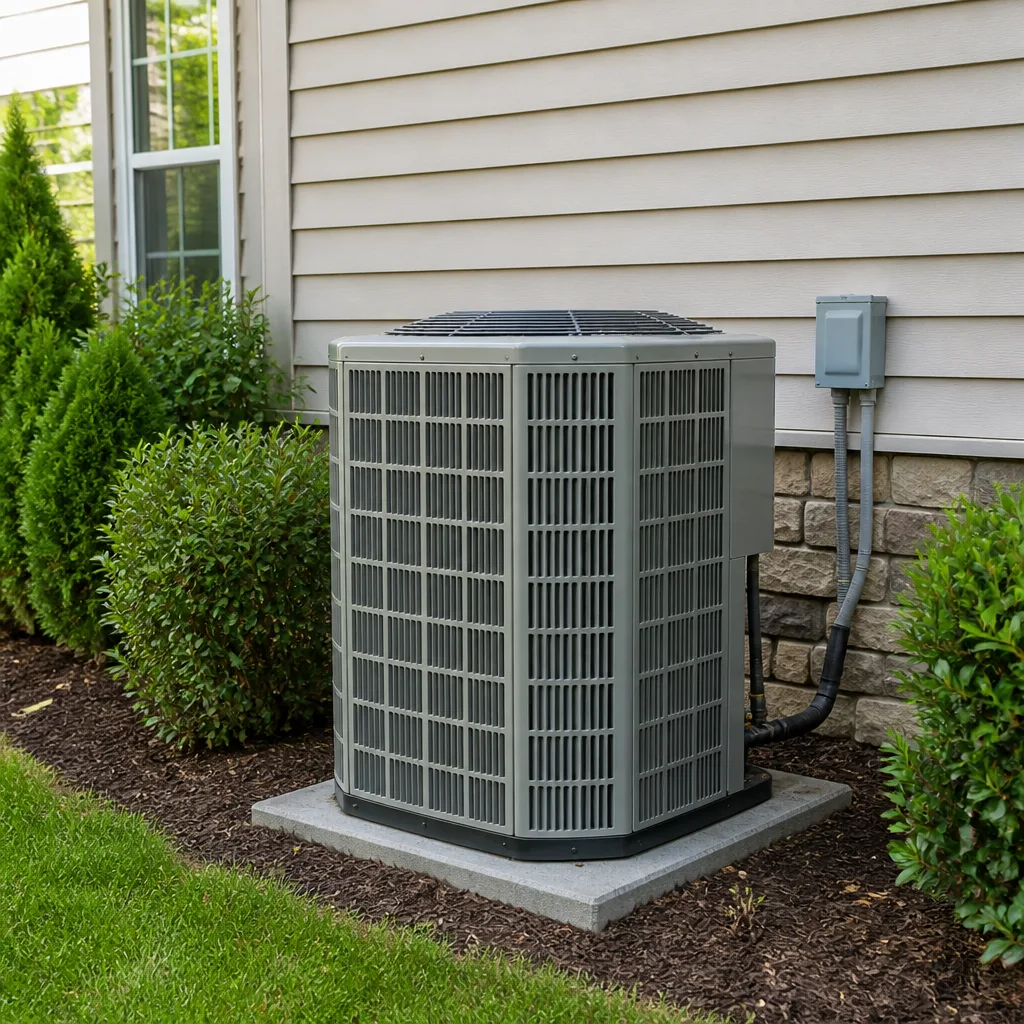 AC repair
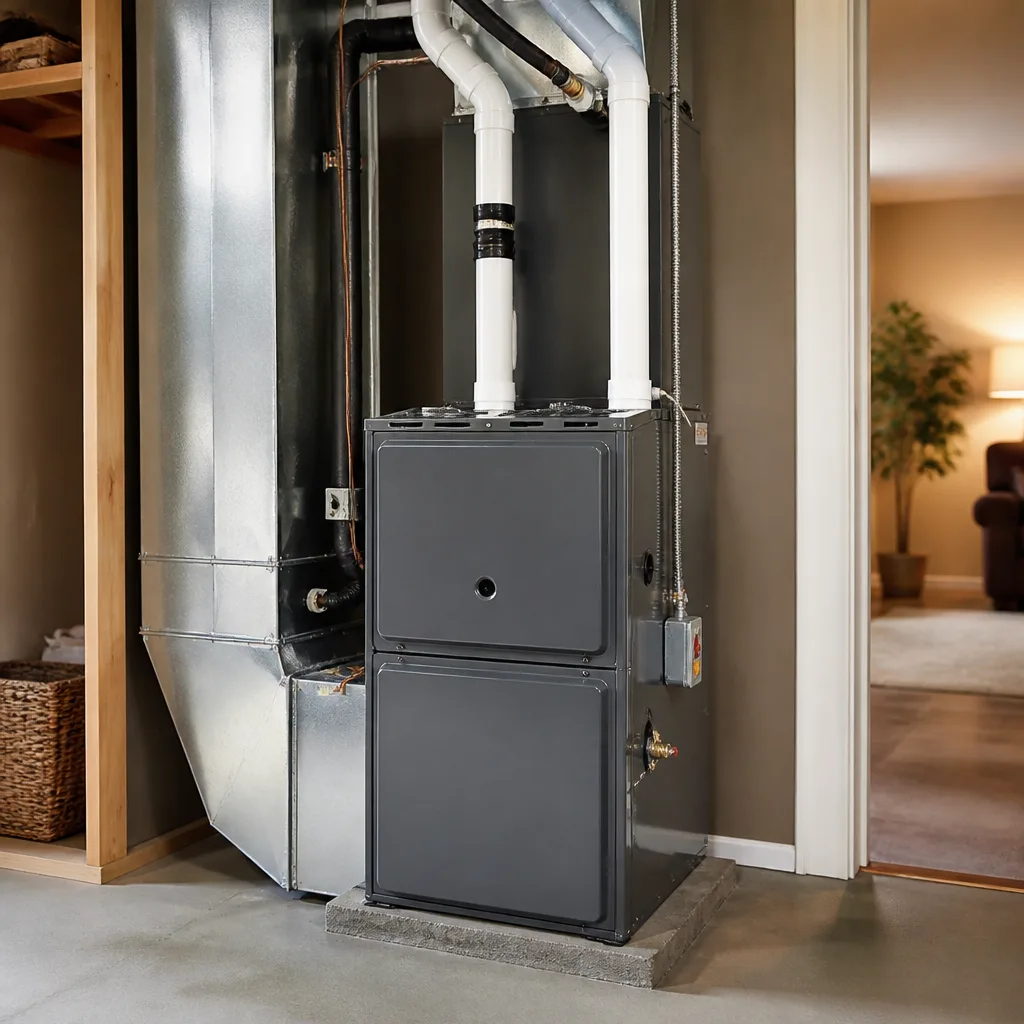 Furnace & heating
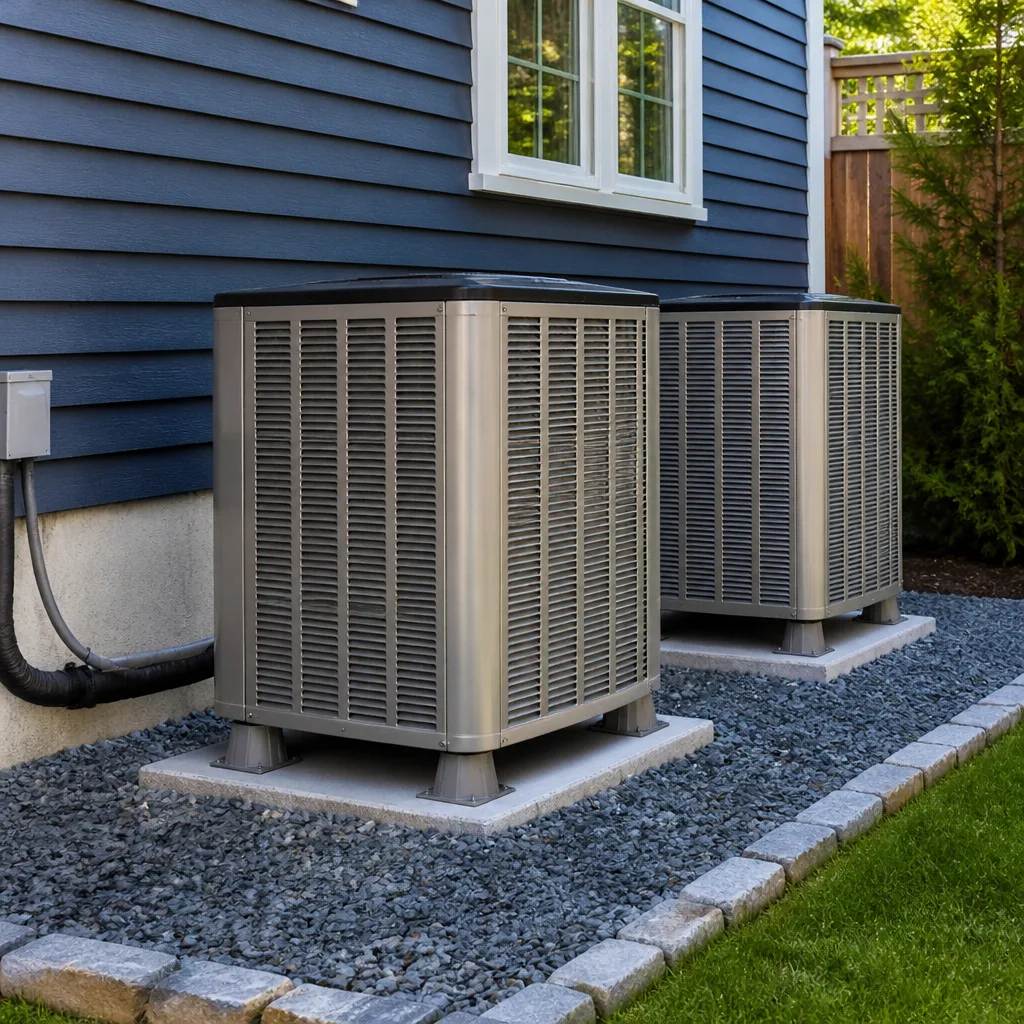 Heat pumps
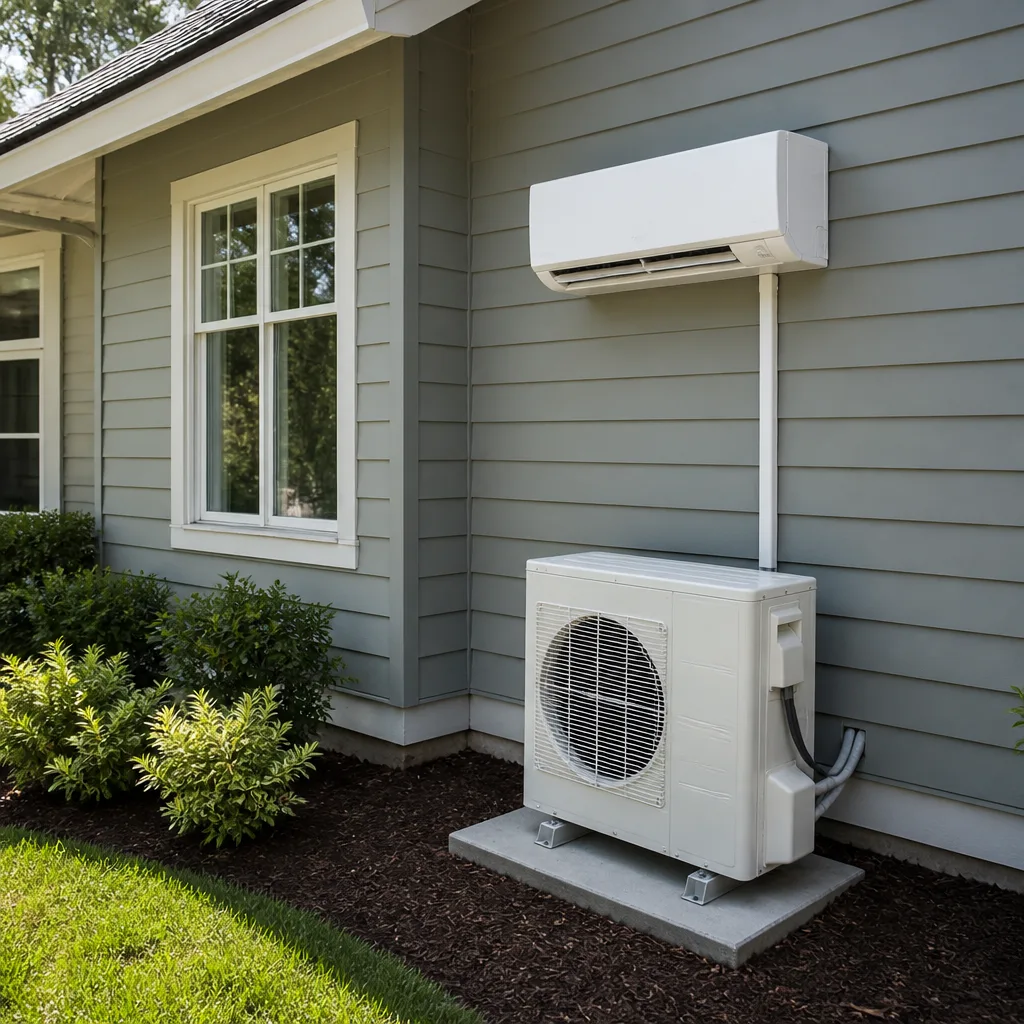 Ductless mini splits
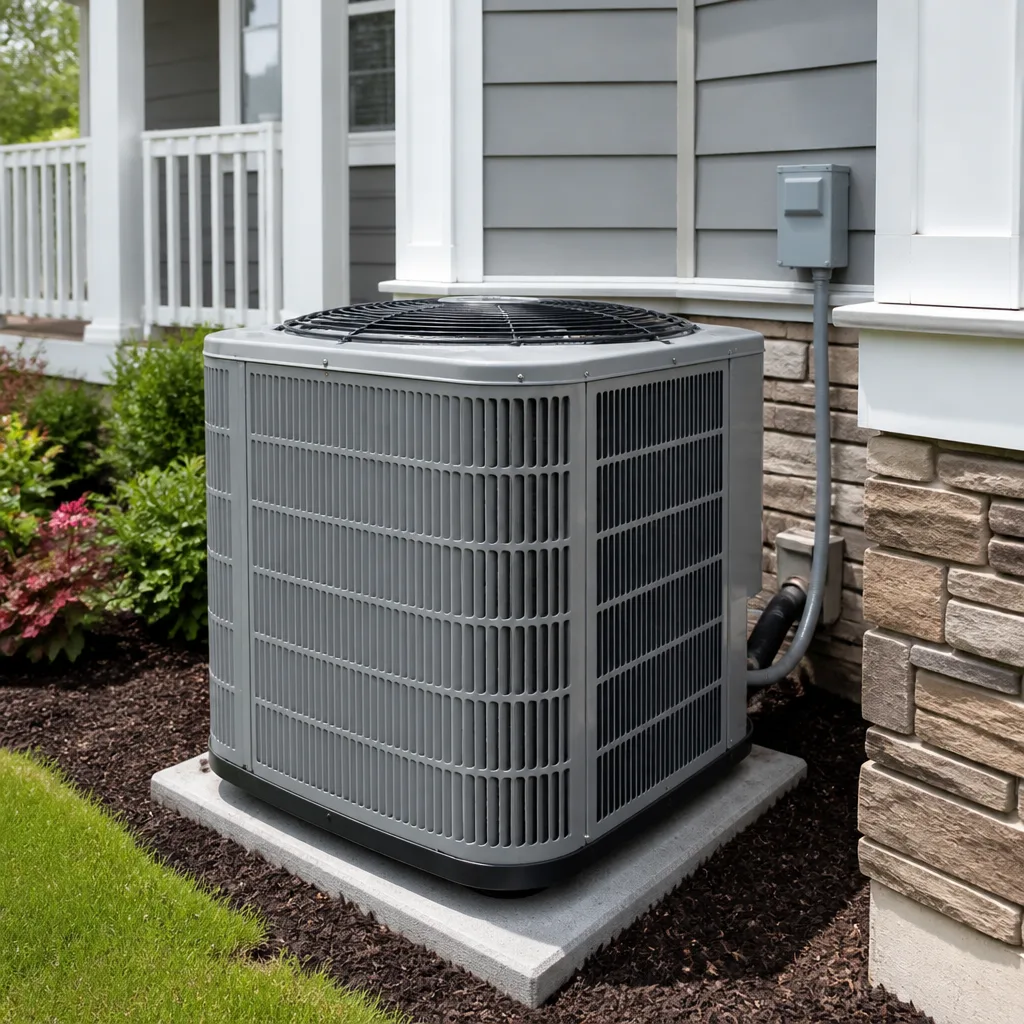 Carrier
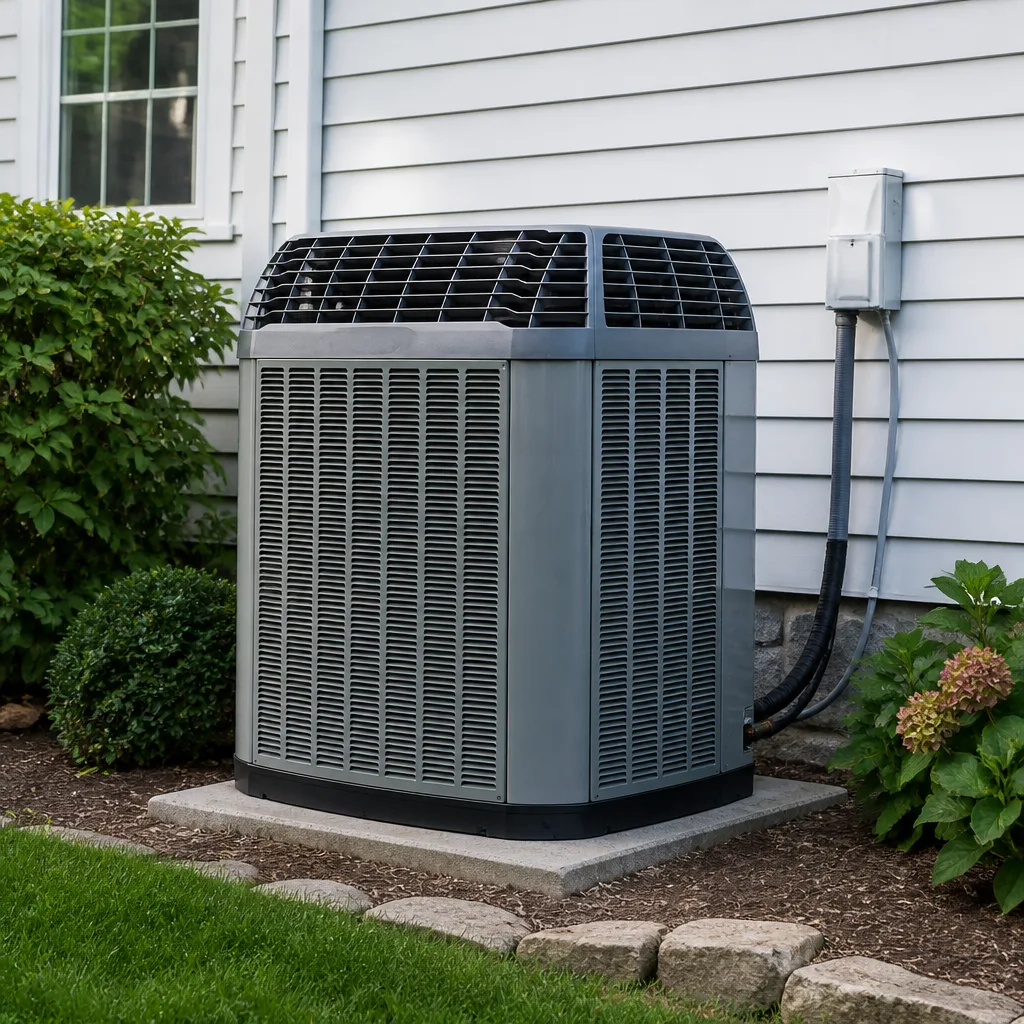 Trane
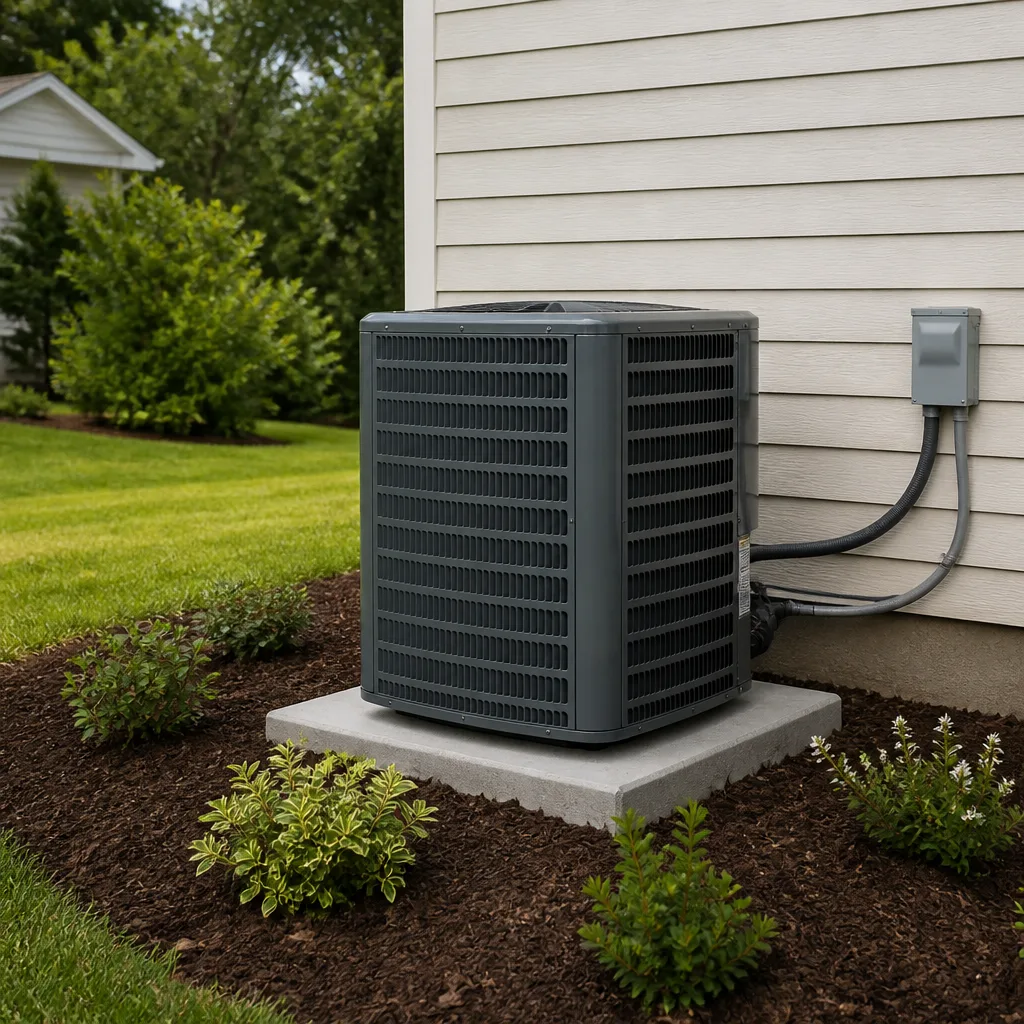 Goodman
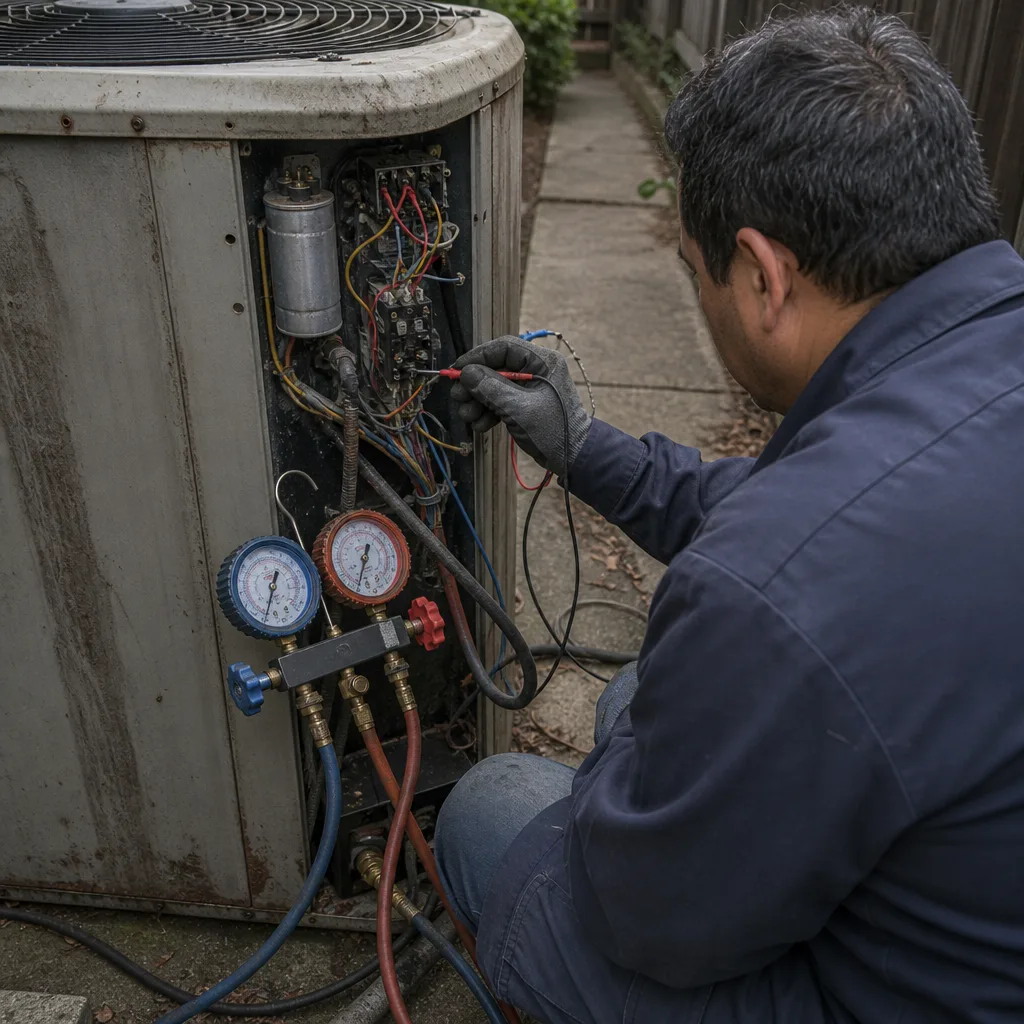
Seasonal tune-up and full diagnostic on your Carrier, Trane, or Goodman system - readings shown to you before any repair is proposed
Diagnosis first, numbers second - you approve the repair price before a single part goes in.
Get your free estimateChoosing the Right HVAC Brand: A Buyer’s Guide for Fremont
Ask three Fremont homeowners which HVAC brand is best and you’ll get three confident answers, usually the brand already bolted to the side of their house. That loyalty is the trap. Most brand comparisons stop at the spec sheet, where Carrier and Lennox sell near-identical compressor technology at the same efficiency tier, and the numbers tell you almost nothing about how a unit will behave on a Fremont lot with Bay-influenced humidity and decades of sun exposure on a west-facing cabinet. This guide looks past the brochure. We’ll cover how to read a brand through home age, ductwork condition, parts availability at Fremont-area distributors, and contractor alignment, plus the shift that reshuffled product lineups after the 2023 SEER2 rule took effect. By the end you’ll know how to build a shortlist before you request a single quote.
Quick Answer
There is no single best HVAC brand for Fremont. The right choice depends on three things: whether your home has usable ductwork (ducted Carrier or Trane for existing ducts, Daikin or Mitsubishi ductless for the older ranch homes without), the tier your budget supports (Goodman and Rheem at value, Carrier, Trane, Lennox and American Standard at premium), and whether your contractor is factory-trained on that equipment. Brand names matter far less than the installation quality of a technician who knows the specific line.
Styles & brands we work with
- AC repair
- Furnace & heating
- Heat pumps
- Ductless mini splits
- Carrier
- Trane
- Goodman
Table of Contents
- Why the Spec Sheet Won’t Tell You What Matters in Fremont
- Head-to-Head: The Brands Actually Installed in Fremont Homes
- Contractor Alignment: How the Same Unit Performs Two Different Ways
- Ductless vs. Ducted: Mini-Splits Against Fremont’s Housing Stock
- What the 2023 SEER2 Change Did to Product Lineups
- Your Brand Decision Framework for Fremont
- Installation, Repair, or Full Replacement: Choosing the Lifecycle
- Common Mistakes to Avoid
- When to Call a Professional
Why the Spec Sheet Won’t Tell You What Matters in Fremont
Two units at the same SEER2 rating and the same tonnage will move the same amount of heat on paper. In a real Fremont install, the differences show up in places the spec sheet doesn’t score.
Cabinet and coil corrosion resistance tops that list. Fremont sits between the Bay and the hills, which means a homeowner in the Irvington district deals with different humidity loads and sun exposure than one in Mission San Jose, where the elevation and tree canopy shift how much heat a condenser bakes in. A cabinet with better coating holds its fin integrity longer in the wetter, salt-adjacent air of the flatlands. A cheap cabinet starts showing surface rust in a season or two, and once the fins start to degrade, efficiency drops before the compressor ever fails.
The second thing the spec sheet ignores is parts availability. A brand that’s beautifully engineered but has no local distributor means every repair sits waiting on a shipment. We stock and service nine major brands precisely so a homeowner never has to wonder whether their system is one we can actually fix. For a repair that’s true today, see our Fremont AC Repair service.
The third is warranty execution. Every premium brand advertises long compressor and parts terms, but those terms depend on registration, proper installation records, and a contractor willing to submit the claim. A brand is only as good as the person willing to file on your behalf.
Head-to-Head: The Brands Actually Installed in Fremont Homes
The equipment rosters in Fremont homes tend to cluster around a handful of names. Here’s how the most common ones look through the three lenses above: corrosion resistance, parts availability in Fremont, and warranty behavior.
Lennox
Lennox units sit comfortably at the premium tier, and their coil designs tend to favor efficiency and quiet operation. The catch is that Lennox rewards a factory-trained installer. Stack a Lennox unit the way a generalist would and you’ll lose much of what the premium paid for. The brand is also strict about contractor certification, which tells you something: the manufacturer considers installation quality part of its warranty story. For homes with existing ducts and a homeowner who plans to stay put, that’s a real argument.
Carrier
Carrier and Lennox share a lot of technology at equivalent tiers, so the differentiator again lands on cabinet treatment and local service. Carrier has wide distributor coverage and a strong lineup across tiers, which makes it an easy brand to live with long term. Bryant is Carrier’s sister brand and shares parts chains with it, which matters when you’re comparing quotes: don’t pay Carrier prices for Bryant equipment sold as if it were the premium name.
Trane
Trane earns its reputation on durability, and its cabinet construction holds up well over time. It’s a common choice for a ducted system in a Fremont home where the homeowner wants to install once and not think about it again. The trade-off: Trane parts cost more at the point of repair, and not every contractor keeps them local.
Daikin
Daikin is a strong player in the ductless space and also makes solid ducted equipment. Parts availability is good in the Bay Area. Daikin is a name you’ll see on quote sheets when a contractor wants a value-oriented mini-split line alongside the premium brands. Worth asking about if a ductless install is on the table.
Goodman, Rheem, York, American Standard
Value-tier and mid-tier brands fill a real need. Goodman and Rheem hold down the affordable end; York fits budget-conscious replacement work; American Standard shares a lot with Trane at a slightly different price point. We cover all of them for installation, repair, or full replacement. The right question isn’t whether Goodman is “as good as” Trane. It’s whether the tier fits the home and the homeowner’s timeline.
Contractor Alignment: How the Same Unit Performs Two Different Ways
Here’s the part of the brand decision most buyers skip. Put identical Lennox equipment in two homes with two different installers, and the outcomes diverge. One home gets clean line sets, proper charge verification, sealed duct connections, and a unit running close to spec. The other gets a unit that works but never hits its rated efficiency and needs service within a couple of years.
The reason is that HVAC installation is a system integration job, not a plug-in appliance job. The steps that matter are:
- Load calculation. A contractor who sizes by square footage rather than a home-specific load calc will usually oversize. Oversized equipment cycles short, which shortens life and leaves rooms feeling humid in summer.
- Line set routing and length. Every extra foot of line set and every tight bend affects refrigerant charge. A careful installer measures and adjusts; a rushed one doesn’t.
- Duct match. A premium air handler pushing through old, leaky ducts wastes what the equipment can deliver. Old ducts in a 1960s Fremont home usually need at least inspection, often sealing, sometimes redesign.
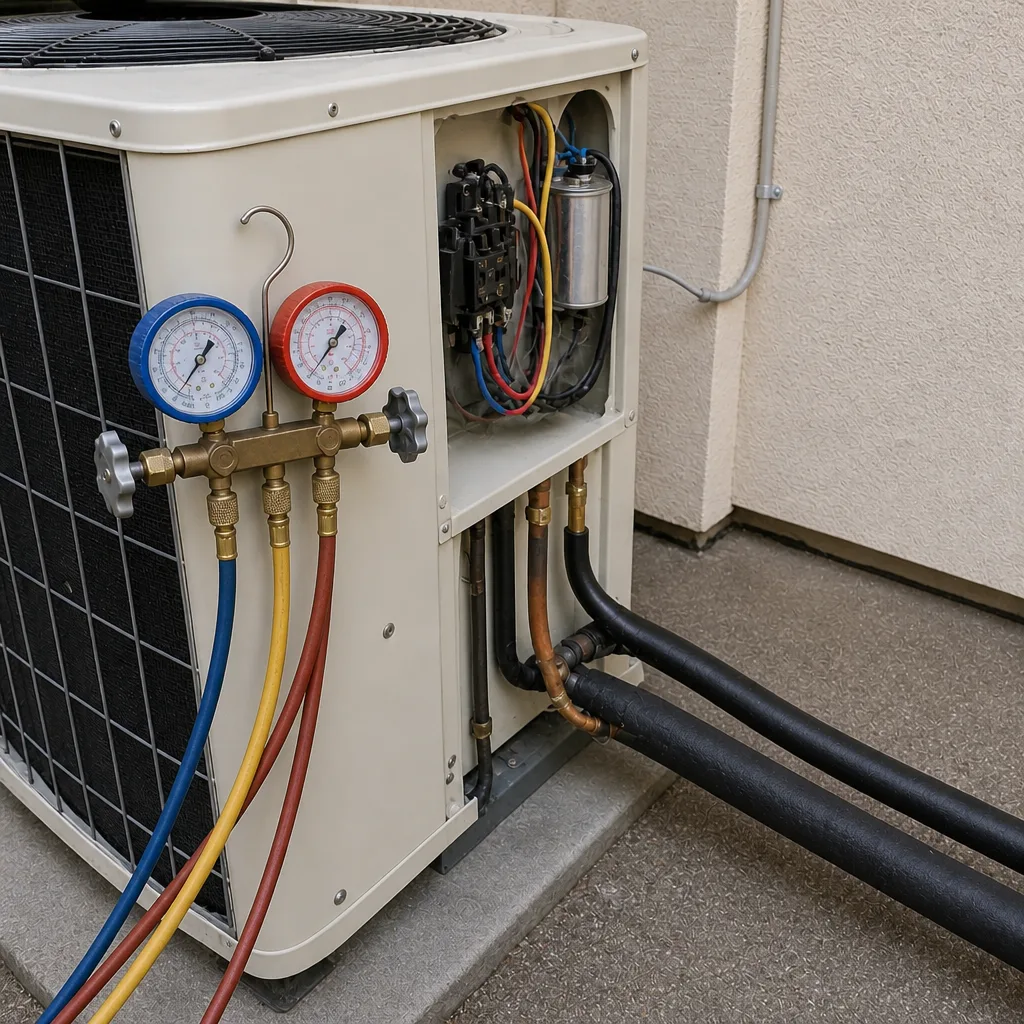
- Charge verification. Subcooling and superheat readings at install, recorded, are the difference between near-spec and off-spec operation.
- Registration and records. The installing contractor who submits your warranty registration the same week is worth more than a brand name.
This is why contractor alignment matters as much as brand. A technician factory-trained on Lennox Diamond Elite systems brings specific installation training to a Lennox job that a generalist doesn’t. That’s not marketing language; it’s a difference in knowing the exact charging procedure, the specific coil match, and the diagnostics routine for that line. When you get quotes, ask which brands the contractor is factory-trained on. The list matters more than the logo on the box. We’re trained on nine major brands, which is why brand-agnostic recommendations are the norm for us; we’re not steering you to the only line we carry.
Ductless vs. Ducted: Mini-Splits Against Fremont’s Housing Stock
A big share of Fremont’s housing stock was built between the 1960s and 1980s, and many of those ranch and split-level homes were built without central ductwork or with duct systems that have been patched many times. This is where the brand decision splits cleanly.
When ductless mini-splits are the right call
- The home has no central ductwork and running new ducts would require opening ceilings or floors.
- There’s a room that never gets comfortable with the existing system (a converted garage, an addition, a west-facing bedroom).
- The homeowner wants room-by-room control instead of conditioning the whole house at once.
- The existing ducts are beyond economical sealing or redesign.
For those homes, Daikin and Mitsubishi mini-splits are the common answer. Both handle Fremont’s mild winter profile well and both run efficiently in the shoulder seasons when a full central system would be oversized. Daikin has strong local parts availability; Mitsubishi has a broad line of multi-zone configurations. Neither is failing you at the spec level, but pick based on which contractor is trained and which distributor can reach parts.
When ducted Carrier or Trane is the right fit
- The home already has usable ducts (even if they need sealing).
- The homeowner wants whole-house conditioning from a single system.
- The home is larger and ductless would require too many zones to be practical.
For a ducted install, see our AC installation page. For ducted systems, we don’t skip the duct assessment; it’s the most common reason a premium system underperforms in an older Fremont home.
What the 2023 SEER2 Change Did to Product Lineups
In 2023 the federal efficiency standard shifted from SEER to SEER2, which uses a stricter test procedure. That change rippled through every manufacturer’s catalog: some lines were redesigned, some were retired, and some manufacturers consolidated platforms so several brands they own share the same internal components.
Here’s what that means for a Fremont homeowner comparing brands today:
- Shared platforms are common. Carrier and Bryant run on overlapping components. Trane and American Standard share engineering DNA. When you’re comparing two brands, verify whether the internals are actually different or whether you’re paying a premium for the label.
- Some legacy model numbers are gone. If your contractor quotes a pre-SEER2 model, ask whether it’s leftover inventory or a current redesign. Both can be legitimate; you just want to know which you’re buying.
- Rebranded equipment exists. A brand you don’t recognize may sit on the same parts chain as a major name. That’s not automatically bad, but it should prompt two questions: who services it locally, and who honors the warranty.
- Tier differences remain. The SEER2 change didn’t erase the gap between value-tier Goodman and premium-tier Trane. It narrowed some spec gaps at the top end while leaving build quality and service coverage differences intact.
The practical takeaway: ask your contractor to name the platform and the parts chain behind any quote. A contractor who can’t answer that question is going to have a hard time servicing the unit when it needs parts two years from now.
Your Brand Decision Framework for Fremont
Before you request a single quote, run your home through this framework. Each variable narrows the shortlist, and by the time you’re done you’ll have three or four realistic brand-and-configuration pairs instead of fifteen.
- Ductwork first. If the home has no usable ducts, ductless narrows the field to Daikin and Mitsubishi (and a few other mini-split lines). If ducts exist but are leaky, add duct assessment to the quote.
- Home age and build profile. A 1960s ranch with original ducts is different from a newer build with engineered ductwork. Older homes generally benefit from a load calc done fresh rather than from a rule of thumb.
- Budget tier. Set a tier before you shop. Value-tier (Goodman, Rheem, York), mid-tier (Bryant, American Standard), premium-tier (Carrier, Trane, Lennox). Premium tier is worth it when you plan to stay in the home long enough for efficiency and durability gains to matter. It’s less worth it if you’re moving in two years.
- Contractor alignment. Which brands is your contractor factory-trained on, and does that match your shortlist? A contractor who doesn’t service the brand you want is the wrong contractor even if the quote looks good.
- Parts availability. Ask where the nearest distributor for the shortlisted brand is. If parts are always ordered and shipped, every repair is a longer wait.
- Cross-system awareness. If you have a furnace and an AC, the contractor should be able to talk about how the two interact. Coil match, blower sizing, drain routing, and shared plenum conditions all connect. A single-trade shop will miss things a dual-system specialist catches.
- Warranty administration. Confirm in writing that the contractor will register the warranty and provide records you can use for future claims.
Run those seven and you’ll have a defensible shortlist. Fremont homeowners we work with typically land on two or three configurations by this point and can then compare quotes on equal footing rather than brand-by-brand guesswork.
Installation, Repair, or Full Replacement: Choosing the Lifecycle
Brand decisions look different depending on where you are in the system’s life. Three common scenarios play out in Fremont:
You’re installing for the first time
New construction, or a home that’s never had central AC. Here the whole world is open, and the decision shifts to what the home can accommodate. Ductwork design, load, and zoning matter more at this stage than brand loyalty. Pick tier by budget and let brand follow from which contractor is trained and which parts chain is closest.
You’re repairing an existing unit
If the existing unit is from a brand we’re authorized to service, repair is usually the first answer regardless of tier. A value-tier unit with a failed capacitor still needs a capacitor, not a replacement. Our furnace repair and cooling services cover both sides of the system. A brand mismatch is exactly the kind of problem that turns into a full replacement when the first contractor you call can’t get parts.
You’re replacing a system at end of life
This is where brand comparisons actually pay off. Furnace replacement is a capital decision, not a diagnostic one, and it deserves a load calculation, a duct assessment, and a shortlist built carefully. One thing to know about Fremont: many older homes have a furnace closet or closet-adjacent air handler that constrains the physical size of what will fit. A brand with better cabinet options at a constrained footprint becomes the practical winner.
For a full comfort-system replacement that combines a cooling install and a heating replacement under one point of contact, coverage matters. Our team covers Fremont through our Fremont page. If you’re not sure whether your home is a repair or a replacement case, that’s the conversation to have before you shop brands.
Common Mistakes to Avoid
- Choosing the brand before the contractor. The brand is only as good as the installation, and the contractor is the person who’ll live with you through warranty claims. Meet the contractor first, then shortlist brands together.
- Comparing quotes without confirming platforms. Two quotes for Carrier and Bryant might be the same internal equipment at two different prices. Ask for the platform name before you compare dollars.
- Buying premium equipment without assessing ducts. A Trane or Lennox system pushing through leaky 1960s ductwork delivers close to what a value-tier unit would. Ducts first, equipment second.
- Installing ductless without a load calc. Mini-splits sized by the room’s footprint rather than a load calculation will short-cycle the same way a ducted unit would, and short cycling is hard on compressors in Fremont’s mild shoulder seasons.
- Assuming the current brand is the only option. If your existing system fails and the contractor you call only carries one line, the recommendation is going to reflect inventory, not your home. Ask how many brands they install and service.
- Skipping the warranty registration. A premium brand with long parts terms is only as good as the paperwork submitted at install. Confirm in writing that the contractor handles registration and gives you copies.
- Treating heating and cooling as separate purchases. Most Fremont homes have both systems sharing a closet, a plenum, and often a blower. A brand and contractor that can speak to both will catch interactions that a single-trade shop won’t.
When to Call a Professional
Call when your existing unit has started short-cycling, when your system has hit the age where repairs become a string of them rather than a single fix, or when you’ve received a quote for a replacement and you’re not sure whether the recommended brand is genuinely right for the home. Call when your ductwork has never been assessed and you’re considering premium equipment. Call when the last contractor you spoke with only services one brand and you want a second perspective.
Fremont AC Repair offers free estimates in Fremont – call (855) 473-9061. Our technicians have up to 8 years of experience across nine major brands (Carrier, Trane, Lennox, Goodman, Rheem, York, Daikin, Bryant, and American Standard), and we’ll walk through the home’s load, ducts, and tier before recommending anything. We answer 24/7. Fast dispatch from 7am to 7pm, Sunday through Friday.
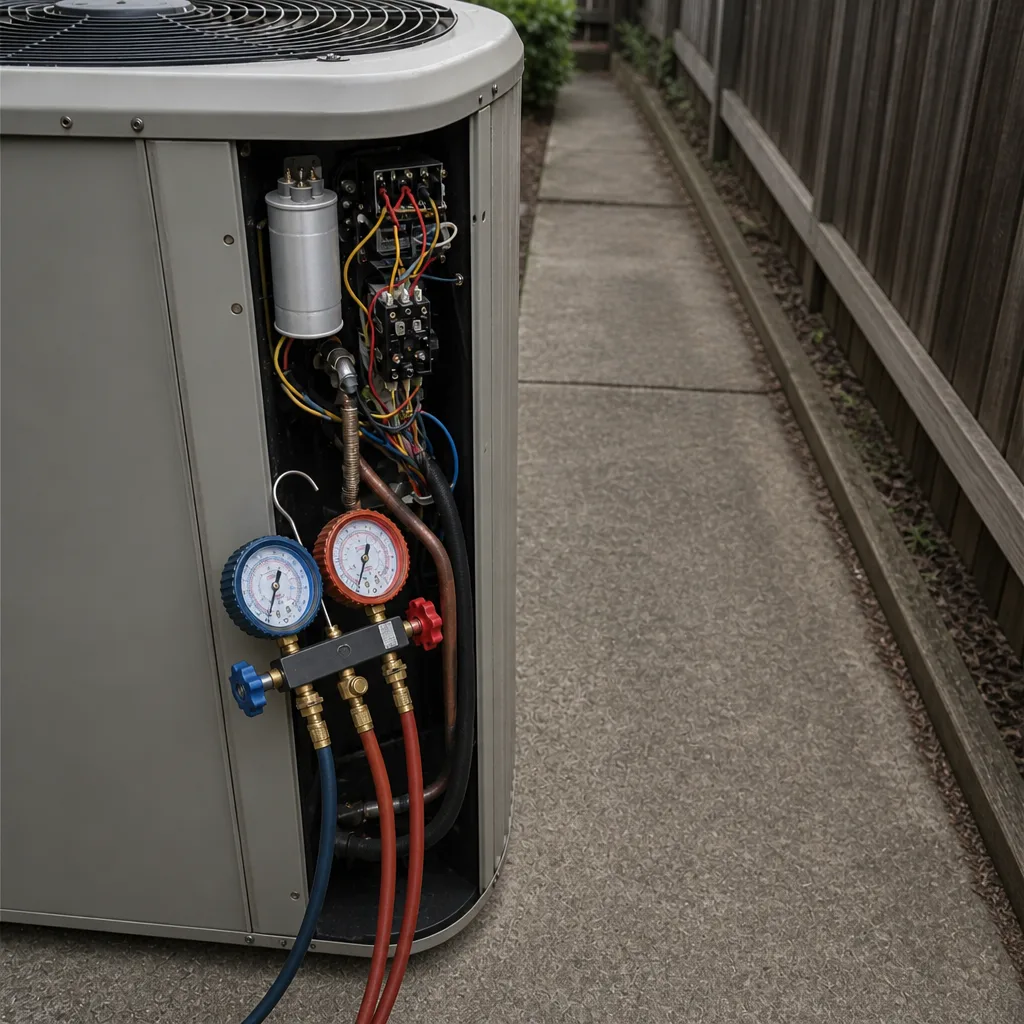
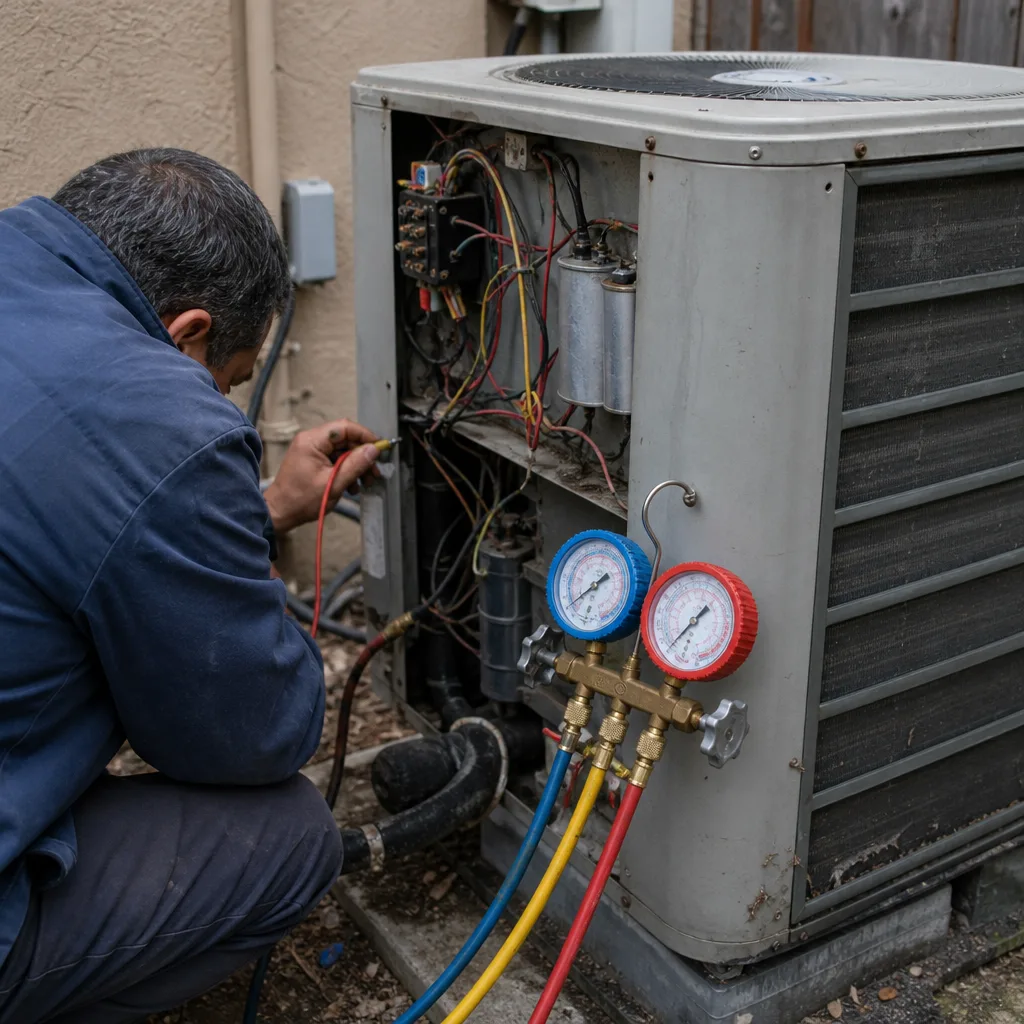
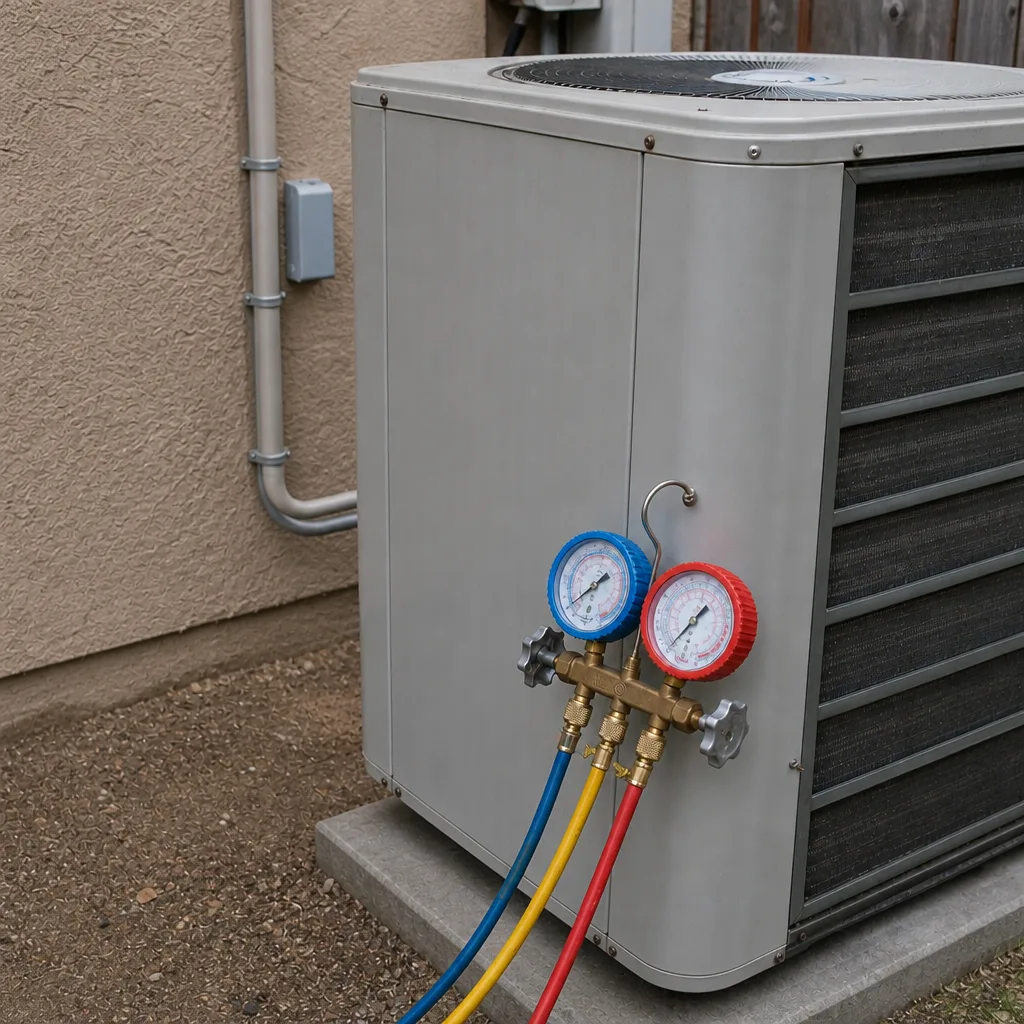
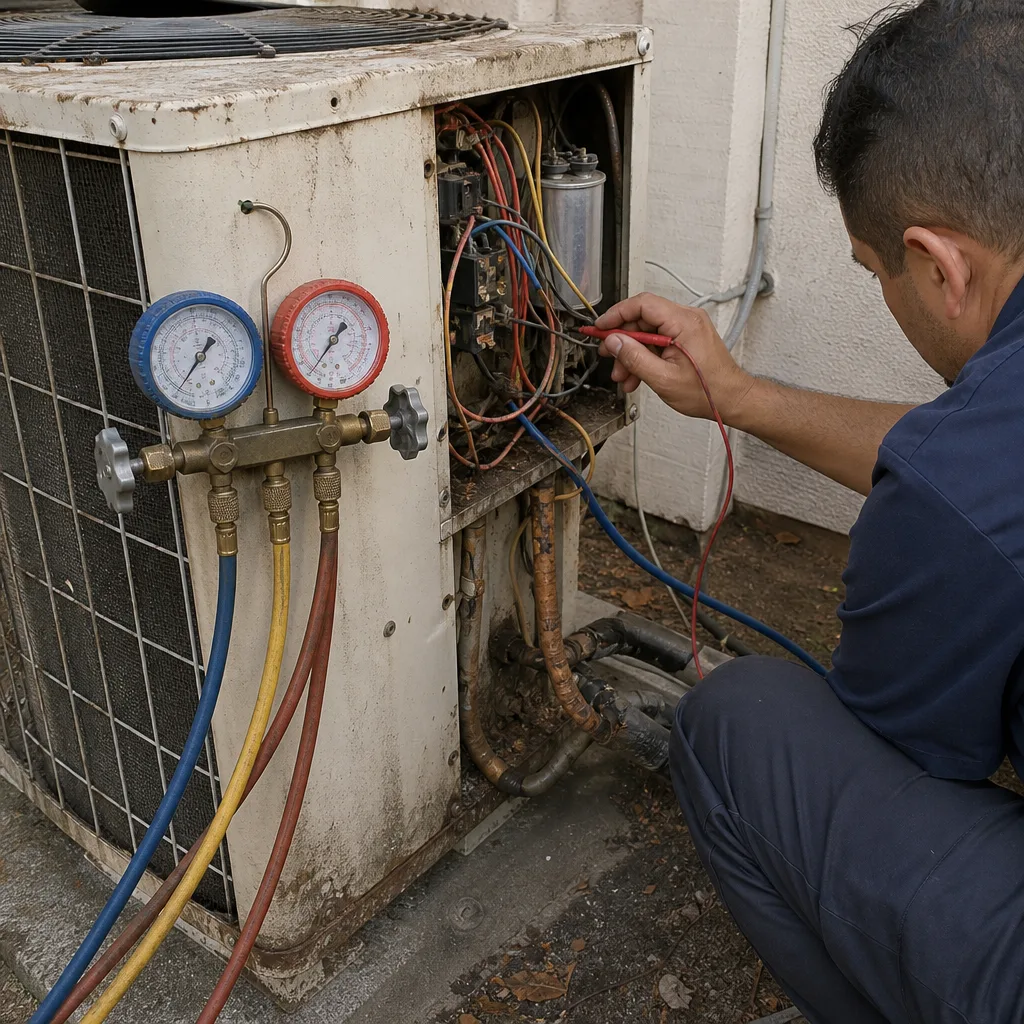
See the difference
 Before
 After
 Before
 After
 Before
 After
Frequently Asked Questions
There isn’t one best brand; the right pick depends on your ductwork, budget tier, and which contractor is factory-trained on the equipment. For homes with existing ducts, Carrier, Trane, and Lennox are common premium picks. For homes without ducts, Daikin and Mitsubishi mini-splits are often the practical answer. Call (855) 473-9061 for a free estimate and we’ll help narrow the shortlist to your home.
They’re closer than brand marketing suggests. Both sit at the premium tier and share a lot of technology at equivalent efficiency levels, so the differences that actually matter in Fremont are cabinet corrosion resistance, parts availability at local distributors, and whether your contractor is factory-trained on the specific line. Compare contractors before you compare the two brands.
If the home has no usable ductwork or a room that never gets comfortable, a ductless mini-split (Daikin or Mitsubishi) is usually the right call. If usable ducts exist, a ducted Carrier or Trane system tends to be more practical for whole-home comfort. The determining factor is the state of the ducts, not the square footage. Call (855) 473-9061 for a free estimate and we’ll assess both options.
It changed product lineups more than it changed brand quality. Some models were redesigned, some were retired, and several manufacturers consolidated platforms across the brands they own. Buyer takeaway: verify the platform behind any quote, and ask which parts chain services it locally. Some legacy brand names now share parts with competitors, which affects who can repair them long term.
Then you’ve got the wrong contractor for that brand, and the wrong contractor matters more than the brand name on the cabinet. Installation quality and warranty administration drive the outcome. We’re trained on nine major brands precisely so none of our customers has to pick between their preferred equipment and their preferred contractor. Call (855) 473-9061 and we’ll confirm coverage before anything else.
Life span depends heavily on installation quality, duct condition, and load accuracy, not only on brand tier. A carefully installed Goodman or Rheem can outlast a premium unit that was oversized and stacked into leaky ducts. Premium tier buys you better cabinet construction and repairability; it doesn’t buy you forgiveness for a bad install. Call (855) 473-9061 for an honest tier recommendation based on your home.
The Bottom Line
Brand matters, but not in the way the spec sheet suggests. In Fremont, the three variables that actually move outcomes are cabinet corrosion resistance, parts availability at local distributors, and whether your contractor is factory-trained on the specific line. Ductwork condition narrows the field to ductless or ducted before brand even enters the picture, and the 2023 SEER2 change made platform verification more important than legacy loyalty. Build your shortlist from your home’s load, ducts, and tier first, then pick the brand. We’re brand-agnostic for exactly that reason, and we cover installation, repair, or full replacement without sending you to a second contractor. Call (855) 473-9061 for a free estimate. We answer 24/7. Fast dispatch from 7am to 7pm, Sunday through Friday.
Written by the team at Fremont AC Repair.