
Last updated November 15, 2026
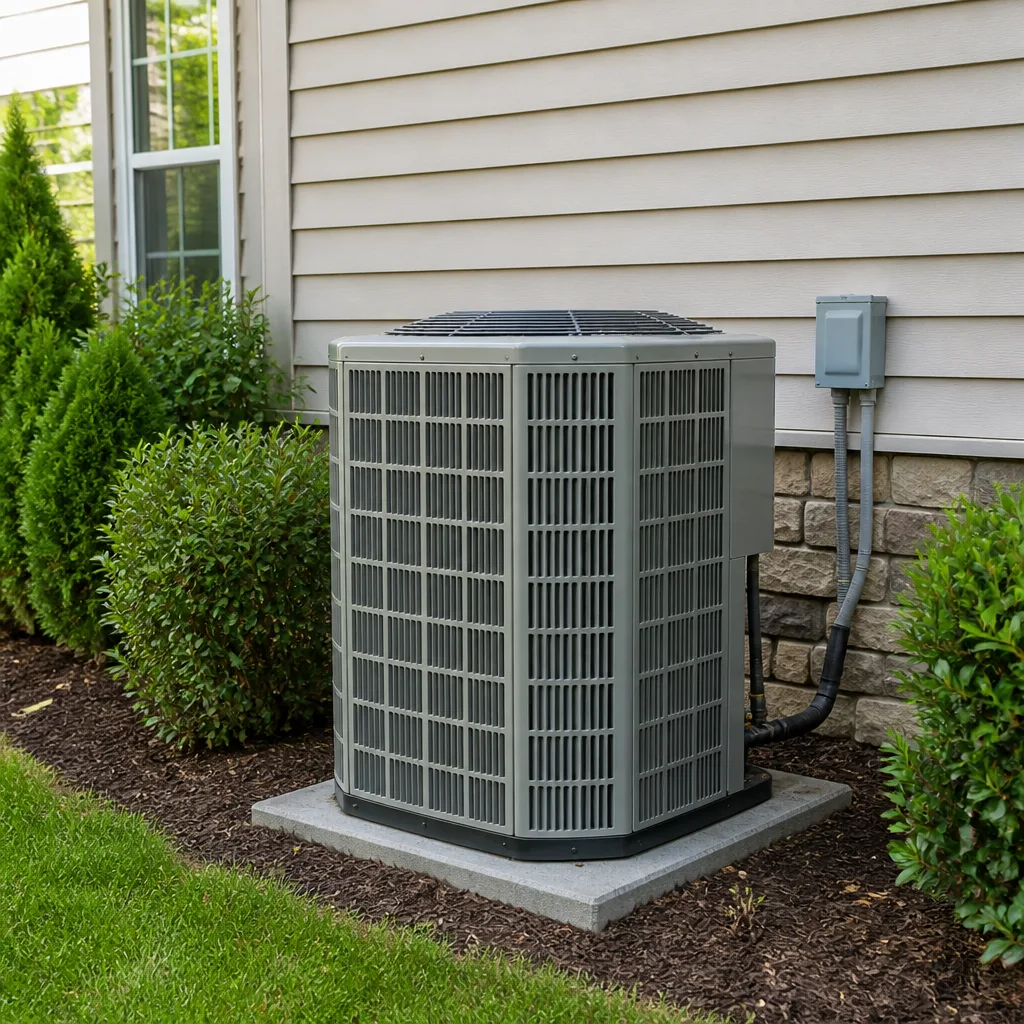 AC repair
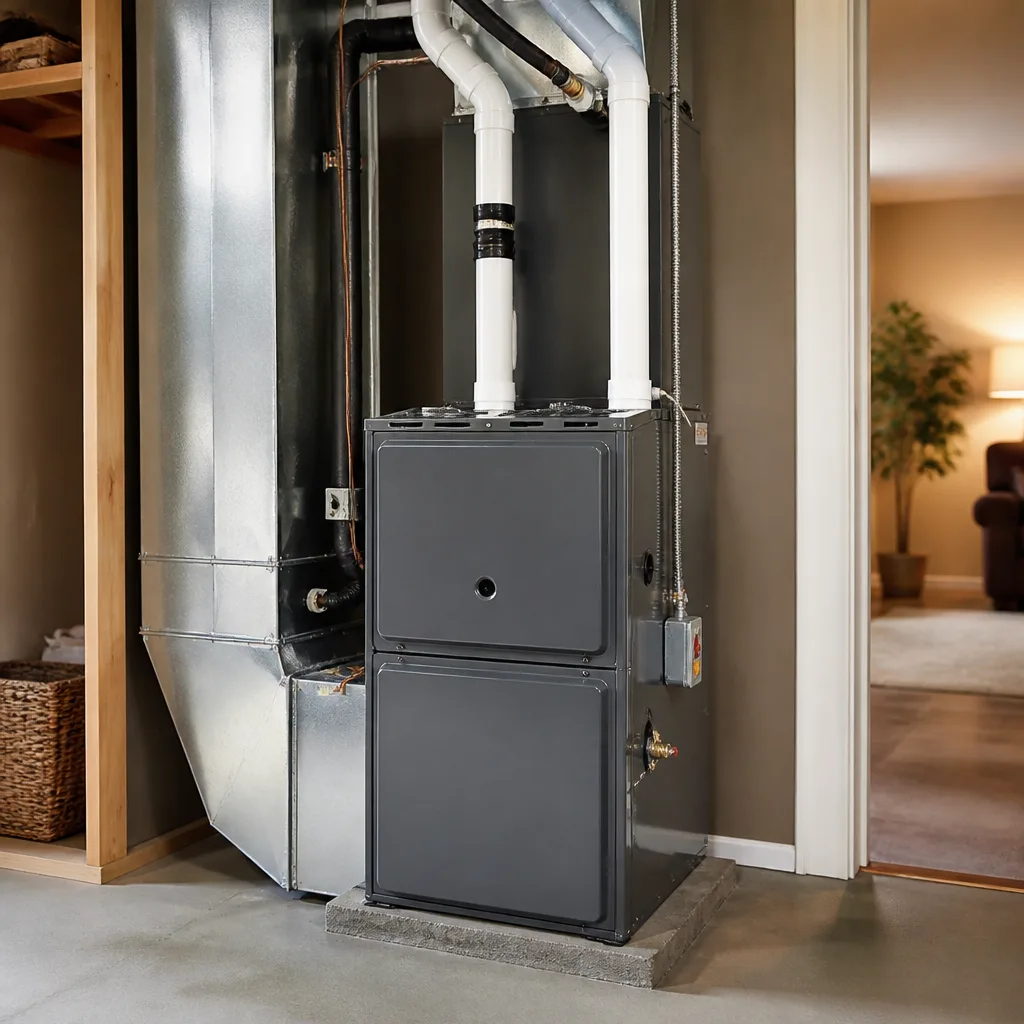 Furnace & heating
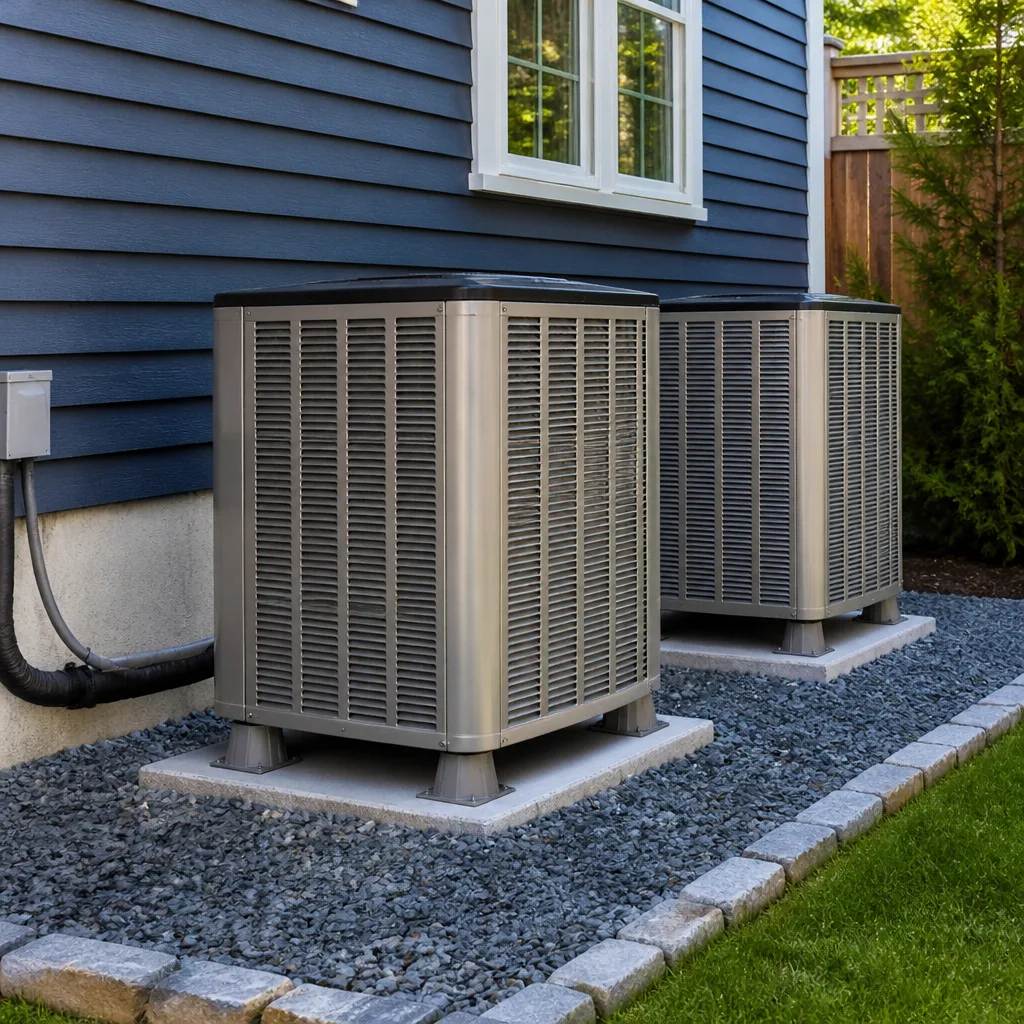 Heat pumps
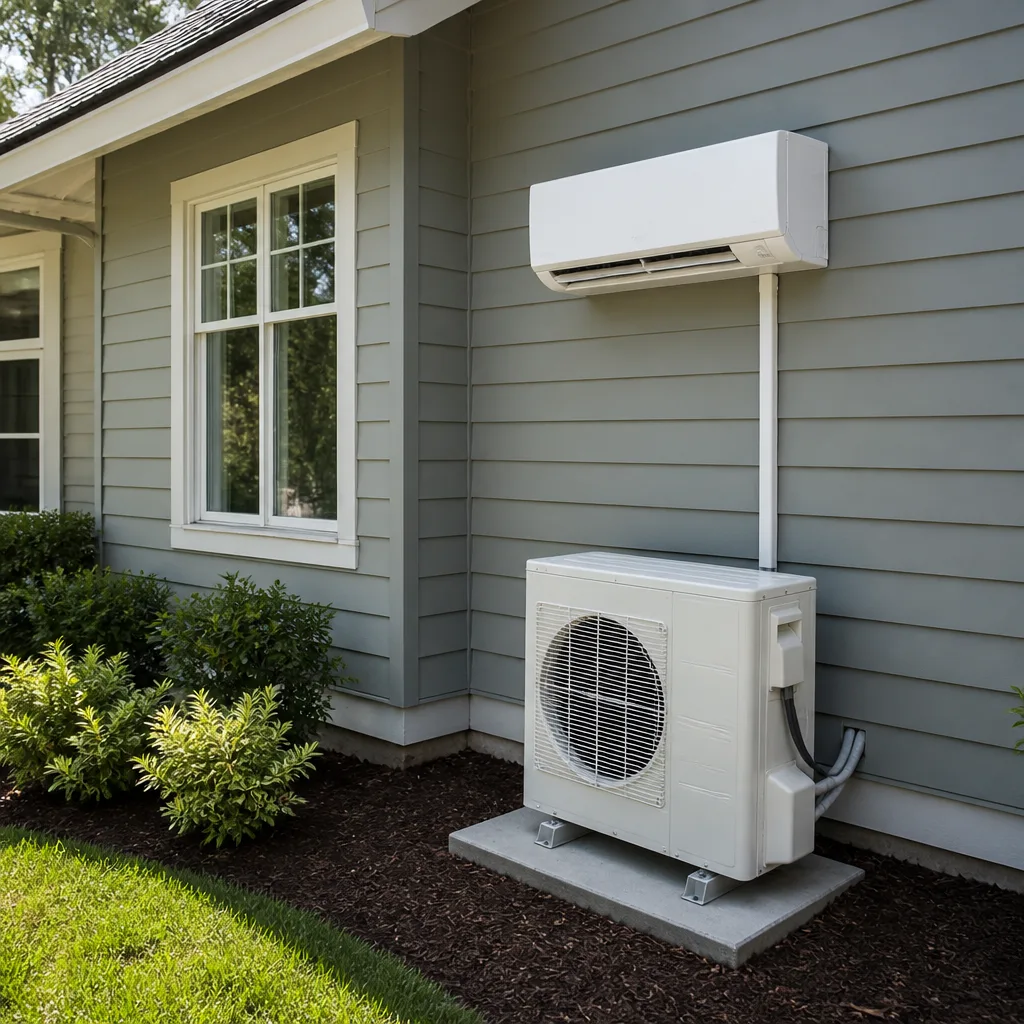 Ductless mini splits
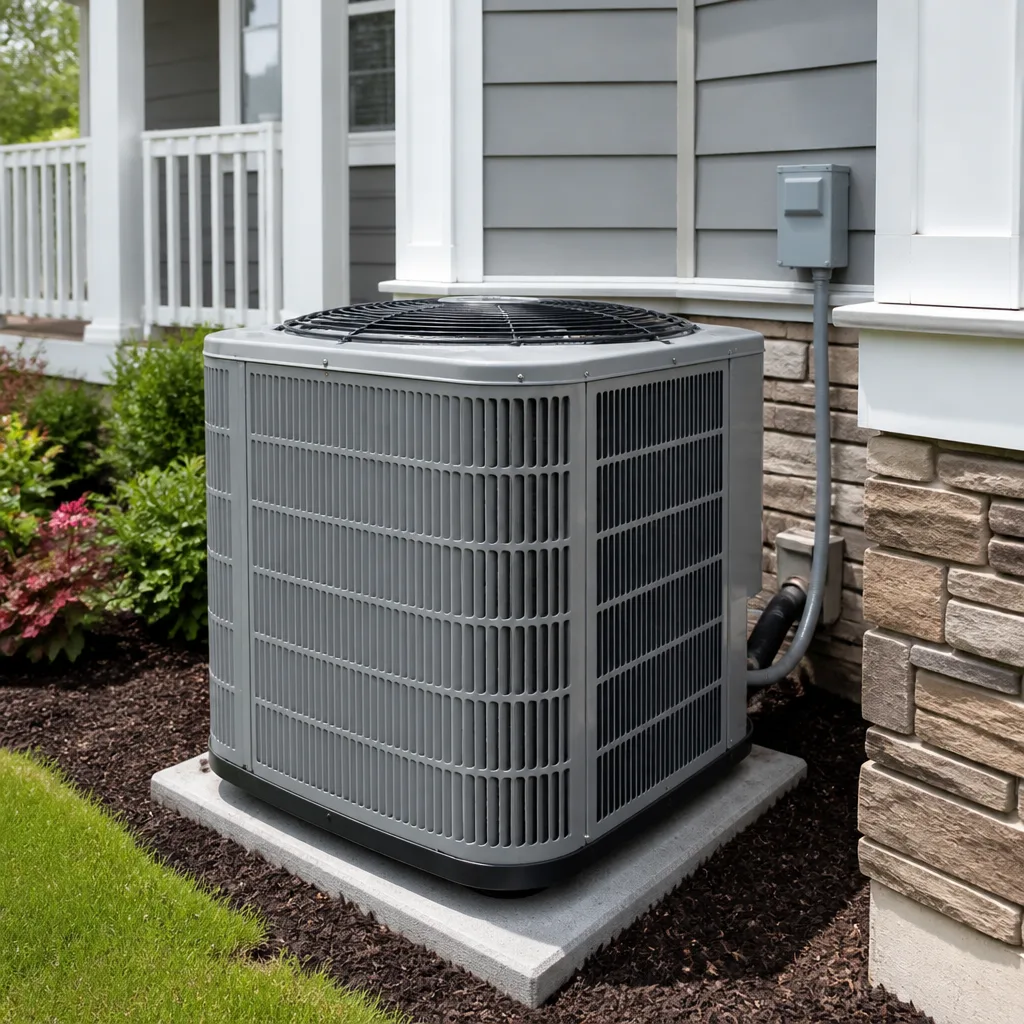 Carrier
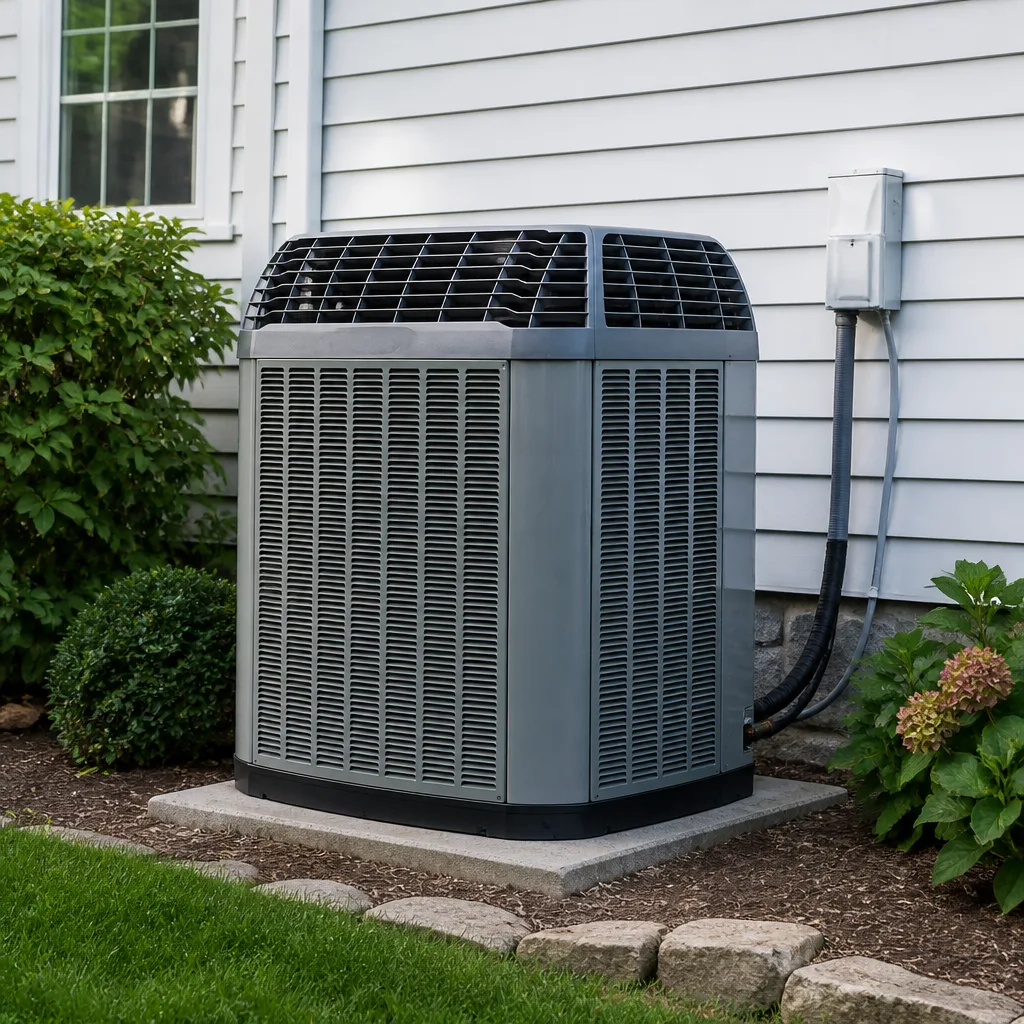 Trane
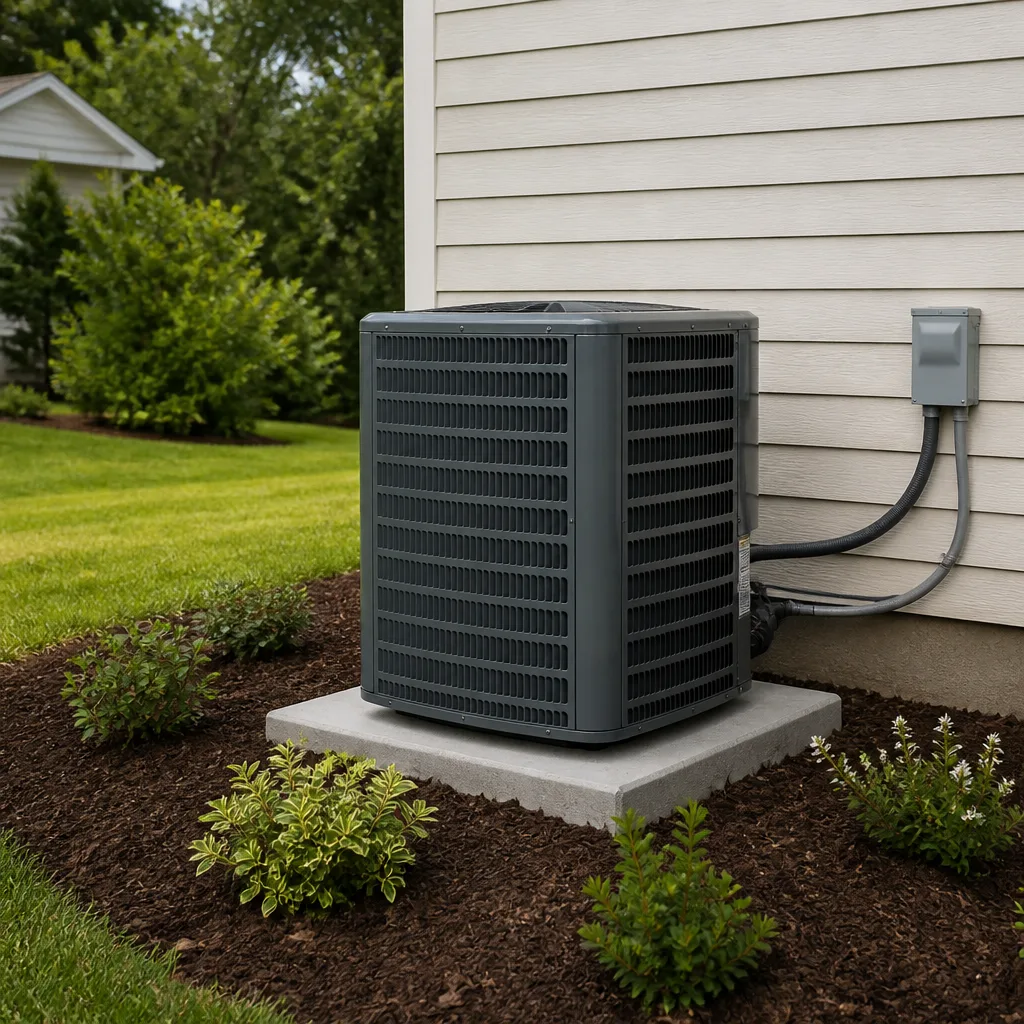 Goodman
Seasonal tune-up and full diagnostic on your Carrier, Trane, or Goodman system - readings shown to you before any repair is proposed
Diagnosis first, numbers second - you approve the repair price before a single part goes in.
Get your free estimateHVAC Cost Breakdown: The Fremont Homeowner’s Reference for 2026
Two quotes for the same central AC replacement, same 2,000 square foot Fremont house, can land $7,500 apart. Homeowners assume one contractor is gouging. Usually both are honest, and the gap lives in things the quote stack covers differently: how leaky the ducts turn out to be, whether the electrical panel can carry the new equipment, what the permit scope pulls in, and which equipment tier the bidder picked. Our aim here is to reverse-engineer those variables so you can price your own situation before anyone hands you a number, and spot an outlier bid before you sign. Nine major brands, one call.
Quick Answer
A central AC replacement in Fremont typically runs $6,500 to $14,000, a full furnace-plus-AC system replacement $11,000 to $22,000, and a ductless mini-split install $5,500 to $13,000 depending on the number of indoor heads. Those ranges only become useful when you break them into equipment, labor, duct work, electrical, permit and disposal, which is what this guide does. Brand choice moves the number less than most homeowners expect; duct condition and electrical capacity move it more.
Styles & brands we work with
- AC repair
- Furnace & heating
- Heat pumps
- Ductless mini splits
- Carrier
- Trane
- Goodman
Table of Contents
- Anatomy of a Fremont HVAC Quote
- The Four Hidden Cost Drivers
- Rebates and Tax Credits in 2026
- What Brand Price Differences Actually Buy
- Repair vs. Replace: A Cost Calculator Framework
- Refrigerant: R-22, R-410A and R-32
- Why Fremont’s Climate Shapes the Numbers
Anatomy of a Fremont HVAC Quote
Every legitimate bid is a stack of line items. When we build one for a Fremont home, it separates into equipment, labor, and the conditioned spaces around them. Here’s how that stack usually breaks down in 2026 dollars for the three jobs we quote most.
AC-only replacement
Central AC replacement for a typical Fremont single-family house, replacing the condenser and coil on existing ductwork:
- Condenser and evaporator coil (value tier, Goodman or Rheem): $2,200 to $3,800
- Condenser and coil (premium tier, Carrier, Trane or Lennox): $4,000 to $6,800
- Labor and commissioning: $1,600 to $2,800
- Line set and electrical connections: $400 to $1,100
- Permit: $250 to $600
- Disposal of old equipment: $150 to $350
That puts a realistic AC-only replacement at $6,500 to $14,000, and most Fremont homes land between $8,000 and $11,000. The spread above that is almost never the compressor; it’s what the install uncovers.
Full system replacement (furnace plus AC)
Replacing the furnace and the AC together costs less than doing them separately the following season, because the shared labor and the single permit are already accounted for:
- Furnace (value tier): $2,800 to $4,200
- Furnace (premium tier): $4,500 to $7,000
- AC condenser and coil: as above
- Shared labor, electrical and permit: $2,200 to $4,000
- Thermostat and controls: $150 to $600
A full system usually lands $11,000 to $22,000 in Fremont. A 1,400 square foot house with simple access to the air handler is at the bottom. A two-story with the furnace in a tight closet and the condenser on a narrow side yard climbs toward the top.
Ductless mini-split installation
Ductless fits Fremont’s older stock well, especially homes with a converted garage, an addition, or no ductwork at all. Cost scales with the number of indoor heads:
- Single-zone system: $5,500 to $8,500
- Two-zone system: $8,000 to $11,500
- Three-zone system: $10,500 to $13,000
Each additional indoor head adds roughly $2,000 to $3,200 in equipment, line set and labor. A Daikin or Bryant multi-zone system sits comfortably in these bands. When a ductless job makes more sense than a ducted replacement, we walk the home first and confirm the load room by room rather than guessing from square footage.
The Four Hidden Cost Drivers
These four items are the real reason two bids on the same house can differ by thousands. A contractor who inspected the attic and the panel sees them coming. A contractor who priced from the driveway did not.
- Duct leakage and repair. Fremont’s older ranch homes often have flex duct run through a hot attic, and a system that leaks 20 percent of its air is a system that behaves like a smaller system. Sealing and repairing a section of ductwork typically adds $400 to $1,800 to a job, and replacing a failed trunk line can push past $2,500. It’s worth asking every bidder whether the number includes duct work and, if not, what a pressure test showed.
- Electrical panel capacity. Higher-efficiency equipment, and heat-pump-adjacent loads, sometimes need a panel upgrade or a dedicated circuit that the original AC did not require. A new circuit is a modest addition; a full panel upgrade is a genuine line item in the thousands. Ask whether the bidder checked the panel or assumed it was fine.
- Permits. Every AC and furnace replacement in Fremont requires a permit from the city, and the fee scales loosely with the job’s valuation. Expect a few hundred dollars on a straightforward swap. A bid with no permit line is a bid that leaves the compliance question to you.
- Disposal and refrigerant recovery. Hauling away the old condenser and furnace, plus legally recovering any remaining refrigerant, is real cost. On older R-22 equipment, recovery and disposal add a little more because the refrigerant is no longer manufactured and has to be handled properly.
None of these is a trick. If one bid is wildly below the others, one of these four probably fell out of it, and it will fall back onto the invoice later or onto the new system’s performance. Call (855) 473-9061. We answer 24/7. Fast dispatch from 7am to 7pm, Sunday through Friday. Estimates are free, and the written estimate is what sets the final price.
Rebates and Tax Credits in 2026
Incentives change the arithmetic on a replacement, but they rarely change it as much as homeowners hope. Here’s how they realistically stack on a Fremont job.
- BayREN. The regional program administered across Bay Area counties offers rebates tied to efficiency upgrades, and the amount depends on measure and eligibility. It’s worth checking your eligibility before the work is ordered, because most programs require the paperwork to begin before installation.
- TECH Clean California. This state program targets heat pump space and water heating, and its incentives shift by program year. On a straight AC-with-furnace replacement, it typically does not apply; on a heat pump conversion it can be significant. Confirm current terms before you plan around it.
- Federal IRA tax credits. The federal efficiency credits are structured as a percentage of project cost up to an annual cap, with specific efficiency thresholds that equipment must meet. Your tax preparer should confirm what you actually qualify for; the credit applies to your return, not to the invoice.
On a typical Fremont AC and furnace replacement, the realistic stack of credits and rebates usually trims a meaningful slice off the project without covering it. On a heat pump conversion, the incentives can be larger, but the installed cost is also higher. The IRS caps the credit, the programs cap the rebate, and the final out-of-pocket price is set by your written estimate. We can work with your insurer where relevant and we’ll point you to the program paperwork, but we won’t guess at an incentive number on a bid.
What Brand Price Differences Actually Buy
A value-tier system and a premium-tier system on the same house, same day, same labor, can differ by $3,000 or more. What does that premium actually purchase? Mostly three things: efficiency at part load, quieter operation, and the durability of the components you can’t see until a decade in.
- Efficiency at part load. Premium inverter-driven systems run at multiple speeds, so on Fremont’s moderate summer days they spend more hours at low output rather than cycling on and off. That matters over a 15 to 20 year life more than a peak-season efficiency rating does.
- Sound. Premium condensers are engineered to be quieter at the fan and compressor, which is a real difference in a Fremont side yard close to a bedroom window.
- Component durability. Carrier Infinity and Trane systems use heavier compressors and controls than a Goodman or Rheem value unit. Both are solid; one is built for a longer, harder life.
- Controls and integration. Premium equipment often pairs with a communicating thermostat that the manufacturer’s own diagnostics can read, which makes future service faster and more accurate.
Where brand choice genuinely does not change the outcome: the quality of the install. A premium Lennox or Trane system installed with undersized return air and leaky ducts will outperform nothing. A Goodman installed correctly will run for years without a complaint. Because we install, repair and replace systems from Carrier, Trane, Lennox, Goodman, Rheem, York, Daikin, Bryant and American Standard, we recommend based on the home’s load and your budget rather than on what sits on the van. That is the whole point of the nine-brand roster. If a bid is steering you hard toward one unfamiliar brand at a premium, ask why a comparable Bryant or Rheem wasn’t quoted.
Repair vs. Replace: A Cost Calculator Framework
The “quarter of the replacement cost” rule of thumb is a starting point, not a decision. On a Fremont system, four variables sharpen it:
- Age relative to expected life. A furnace and AC normally last 15 to 20 years with good service. Past that, the next repair is often the beginning of a run of them.
- Refrigerant type. R-22 systems are old enough that a proper repair can be difficult and refrigerant is costly. R-410A equipment is common and repairable for years to come. R-32 is the newer standard and repairable with current parts.
- Repair quote as a percentage of replacement. Under 25 percent and the system has years left. Over 50 percent, replacement usually wins on lifetime cost.
- Efficiency gap. A 20-year-old system running at 10 SEER costs meaningfully more per summer to operate than a modern unit, and that running cost is real money every year you keep the old one.
Run the numbers on your own system. If the answer is somewhere in between, that’s the conversation we want to have, and the written estimate sets the final price. For a failed system that needs urgent attention, that’s a Fremont AC Repair call; for a planned replacement, that’s a scheduled install with a set install date. Same-day work is available when it genuinely solves the problem, but a load-calculated replacement is scheduled, not rushed.
Refrigerant: R-22, R-410A and R-32
Refrigerant type is one of the clearest signals of a system’s age and one of the clearest reasons a repair gets expensive. R-22, the old standard, is no longer manufactured in the US, so any remaining supply is drawn from recycled and reclaimed stock. That makes an R-22 repair that involves a recharge costly and sometimes impractical.
R-410A is the standard that replaced R-22 and is still widely installed. Parts and refrigerant are readily available and a well-installed R-410A system can be repaired for years to come. R-32 is the newer low-global-warming standard now appearing in new equipment from manufacturers including Daikin and others. A new install in 2026 will typically be R-410A or R-32, not R-22, and that’s a good thing for future service cost.
If you’re deciding whether to repair an R-22 system, the practical question is whether the fix touches the refrigerant circuit. A failing capacitor or fan motor doesn’t; a compressor or coil leak does. A leasehold repair that requires R-22 is often where the math tips toward replacement, and it’s worth getting that number before you commit to either side.
Why Fremont’s Climate Shapes the Numbers
Fremont’s climate is moderate, and that changes the equipment math in ways national cost guides ignore. Summers are warm enough that cooling is a real load, but not the punishing heat of the Central Valley. Winters are mild, so the furnace runs at lower demand and fewer hours than in colder regions. Two consequences:
- A correctly sized system wins over an oversized one. In a mild climate, an oversized AC cycles hard, runs short cycles, and dehumidifies poorly. That means more wear and a less comfortable house. When a bid quotes the same box for every 2,000 square foot home, sizing was probably not calculated.
- Duct condition carries more weight. Because the cooling load is modest, the percentage of air leaking from the ducts matters more than a peak-efficiency rating. A 15 SEER system with tight ducts beats a 16 SEER system with leaky ones.
Fremont also includes neighborhoods with very different housing stock, and a bid should reflect that. Older single-story homes in the Centerville and Irvington districts often have room to route new duct runs; newer two-story homes in the Ardenwood area tend to have tighter mechanical closets and longer line sets. The number of stories, the access to the air handler, and the condenser location all move the labor line. When we look at a Fremont home, those are the variables we price in before we ever name a brand.
Common Mistakes to Avoid
- Comparing bottom-line totals without comparing scope. A bid that’s $1,500 lower is often a bid that skipped the duct sealing or the permit. Ask each bidder to itemize equipment, labor, duct work, electrical, permit and disposal, then compare line to line.
- Letting the contractor choose the brand without asking why. If one bidder quotes only one brand at a premium and can’t explain what it buys you in efficiency or durability at your usage pattern, ask for a comparable quote on a Bryant or Rheem. Brand-agnostic recommendations are the alternative to inventory pressure.
- Skipping the load calculation. A short calculation based on actual square footage, window orientation and insulation is the difference between a system that runs comfortably for two decades and one that cycles itself to death in five years. If the bidder sized the box by square footage alone, ask for the calculation.
- Paying for a permit-free install. Fremont requires permits for AC and furnace replacement. An unpermitted install can complicate a future sale and can void a manufacturer’s warranty in some cases. Always ask for the permit line.
- Treating rebates as a discount at the register. Rebates are typically paid after install, and tax credits apply on your return. Don’t plan your budget around an incentive number a salesperson quoted you; verify the current terms before you sign.
- Repairing an R-22 system past the tipping point. A capacitor is a repair; a compressor on a 20-year-old R-22 unit is often the start of a spiral. Get the replacement number before you agree to the repair.
- Letting the AC and furnace be serviced by two different contractors. Cooling and heating share the air handler, the thermostat and the duct system. A single specialist sees how they interact and catches cross-system issues a pure cooling or pure heating shop misses.
See the difference
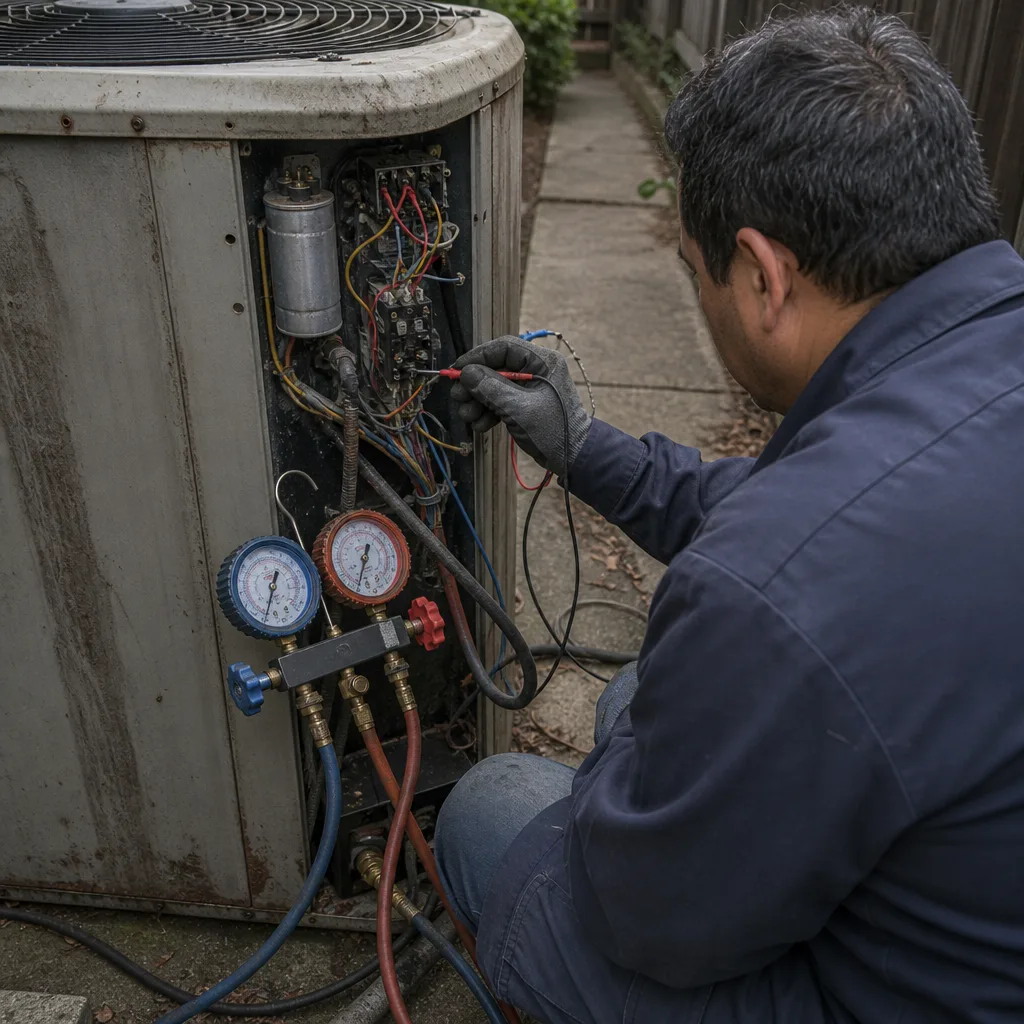 Before
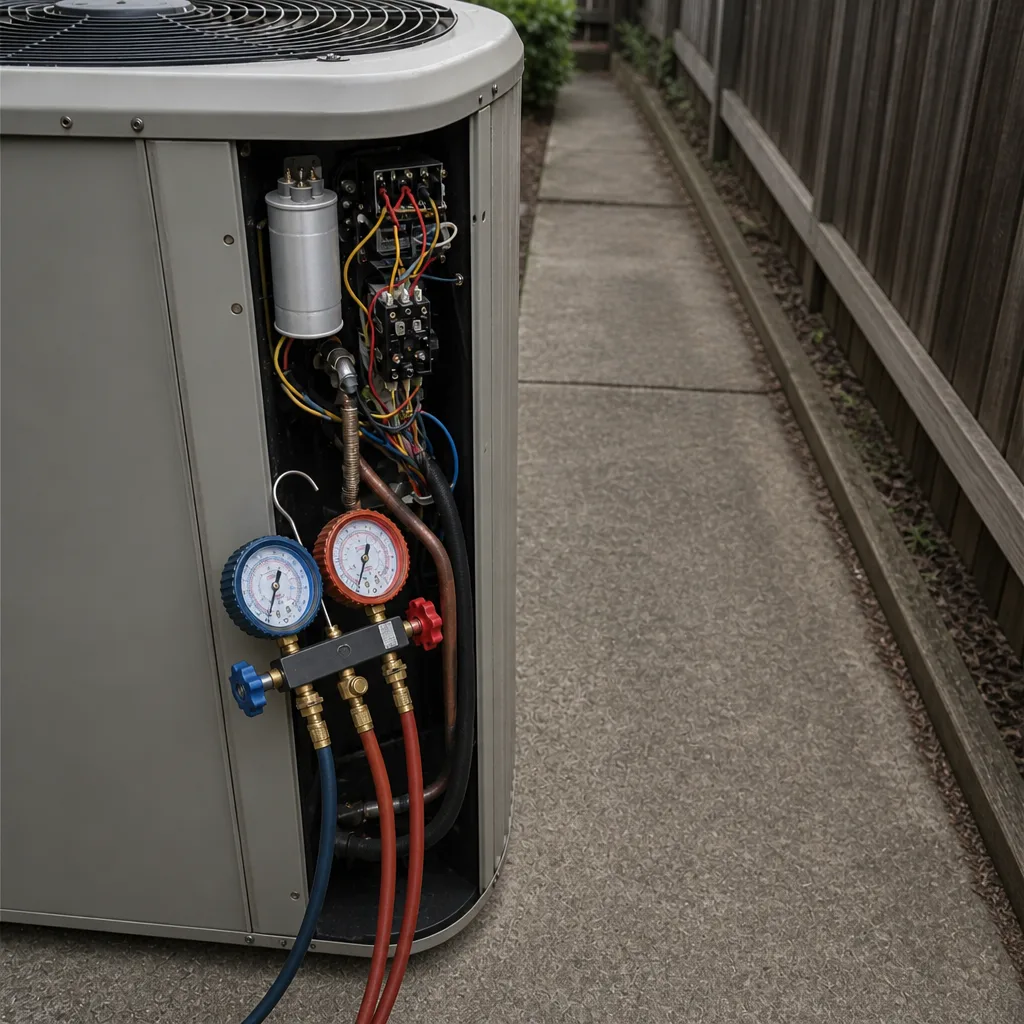 After
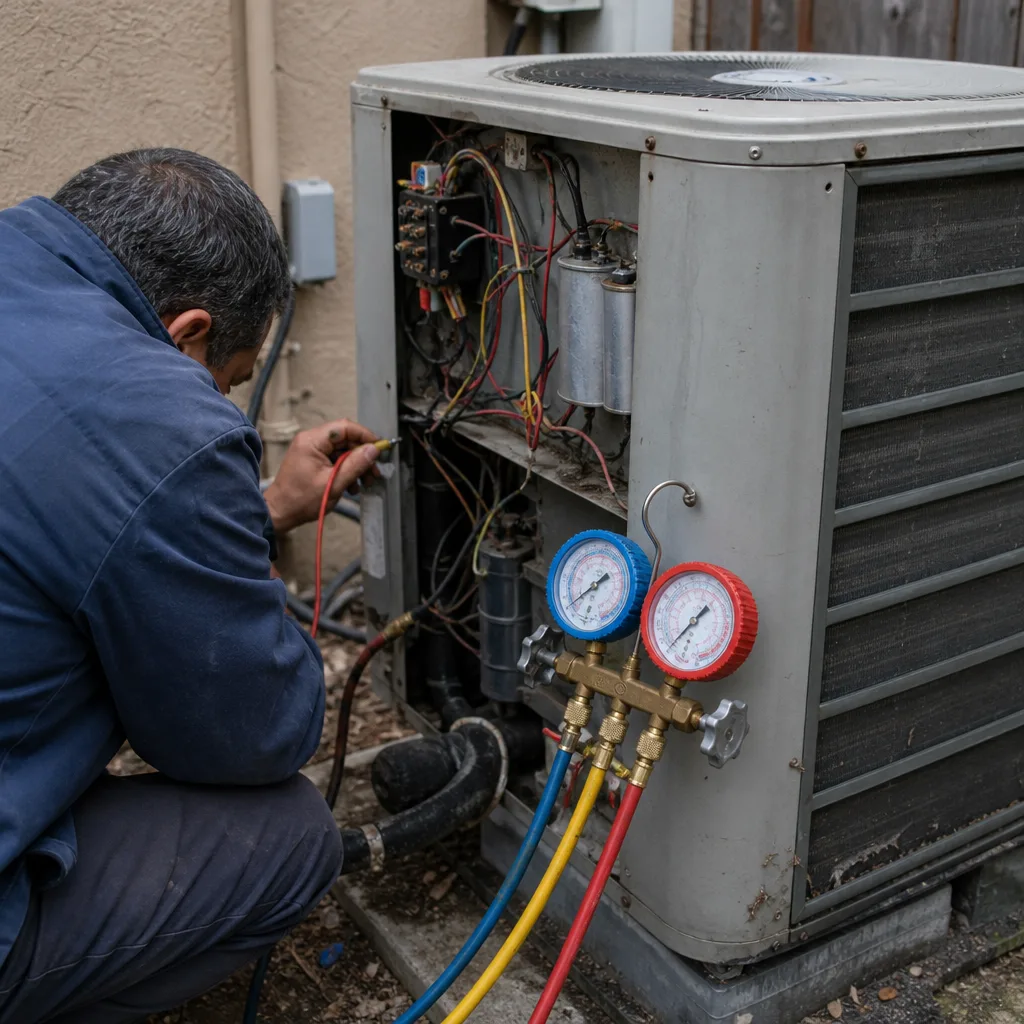 Before
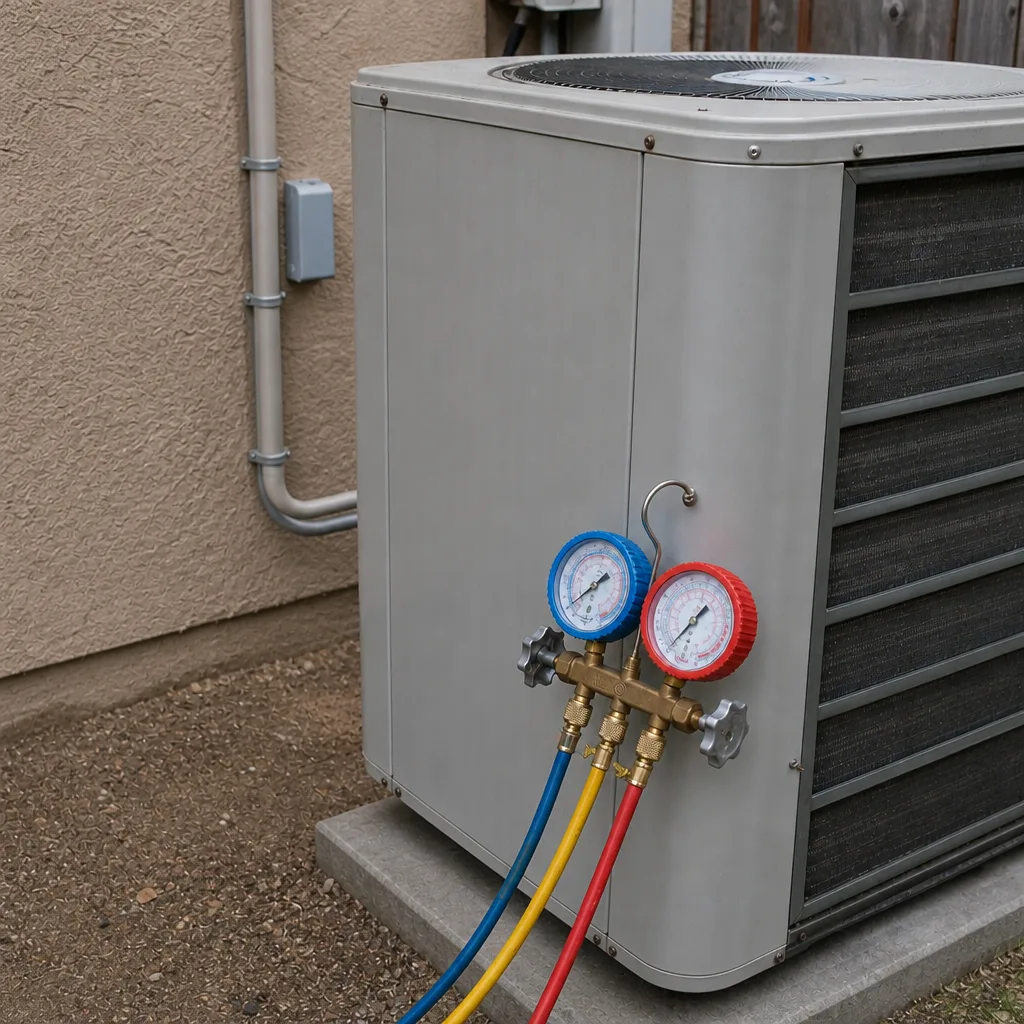 After
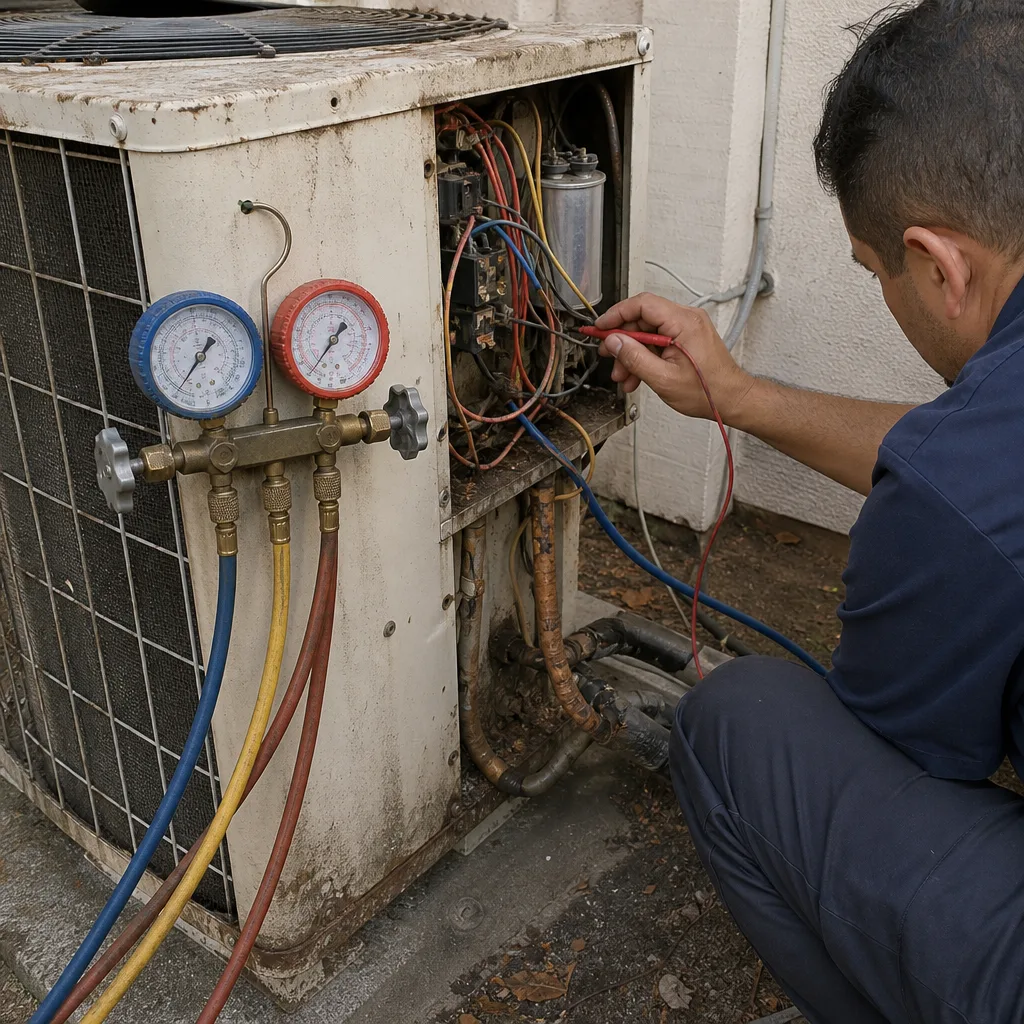 Before
 After
When to Call a Professional
A professional diagnosis is the right call for anything that involves the refrigerant circuit, the electrical panel, or the gas line at the furnace. Those are the parts of the trade where getting it wrong is dangerous, and where a homeowner should not be working inside the equipment. If the system has lost cooling on a hot afternoon, if the furnace won’t fire when the thermostat calls, or if the breaker trips when the condenser starts, those are all reasons to have a technician look before guessing at a part. We’d also come out for a bid on a replacement, an assessment of whether the existing system is worth repairing, or a full-system quote on a house you’re buying. Fremont AC Repair offers free estimates in Fremont and we’ll tell you plainly what we see and what we’d recommend for your situation. Call (855) 473-9061. We answer 24/7. Fast dispatch from 7am to 7pm, Sunday through Friday.
Frequently Asked Questions
Central AC replacement in Fremont typically runs $6,500 to $14,000, with most homes landing between $8,000 and $11,000. The range reflects equipment tier, duct condition, electrical capacity and permit scope. Call (855) 473-9061 for a free estimate, and the written estimate sets the final price.
A single-zone ductless system in Fremont typically runs $5,500 to $8,500, and each additional indoor head adds $2,000 to $3,200. A three-zone system usually lands $10,500 to $13,000. Ductless is often the right answer for additions, converted garages, and homes without existing ductwork. Call (855) 473-9061 for a quote.
Yes, but they rarely cover the project. BayREN, TECH Clean California and the federal IRA tax credits can all stack on a Fremont replacement, and the amount depends on equipment efficiency, program eligibility and the current program year. The realistic trim is meaningful but partial, and you should verify current terms before signing. Call (855) 473-9061 and we’ll point you to the paperwork.
A full system replacement in Fremont usually takes one to two days of install time, and the date is scheduled around equipment lead time and permit approval. The load calculation and equipment order come first, then the install. Call (855) 473-9061 to start the planning.
If a repair quote is under a quarter of replacement cost and the system is under 15 years old, repair is usually the answer. If the quote is over half of replacement, or the system uses R-22 and the fix touches the refrigerant circuit, replacement is usually the better lifetime cost. Call (855) 473-9061 for a written estimate on both options.
Yes. We install, repair and replace systems from Carrier, Trane, Lennox, Goodman, Rheem, York, Daikin, Bryant and American Standard. Our technicians have up to 8 years of experience across those lines, so a furnace repair or an AC installation doesn’t require matching you to a single brand. Call (855) 473-9061 for a free estimate.
The Bottom Line
A Fremont HVAC quote is a stack of line items, and the homeowner controls more of that stack than they realize. Equipment tier moves the number, but so do duct condition, electrical capacity, permits and disposal, and those are the lines a good bidder will show you. Brand choice is real, but install quality lives underneath it. Rebates help, and they don’t cover the project. The written estimate is what sets your final price, and it’s the number you should compare line by line, not bottom line to bottom line. Call (855) 473-9061 for a free estimate.
Written by the team at Fremont AC Repair.