
Last updated November 15, 2026
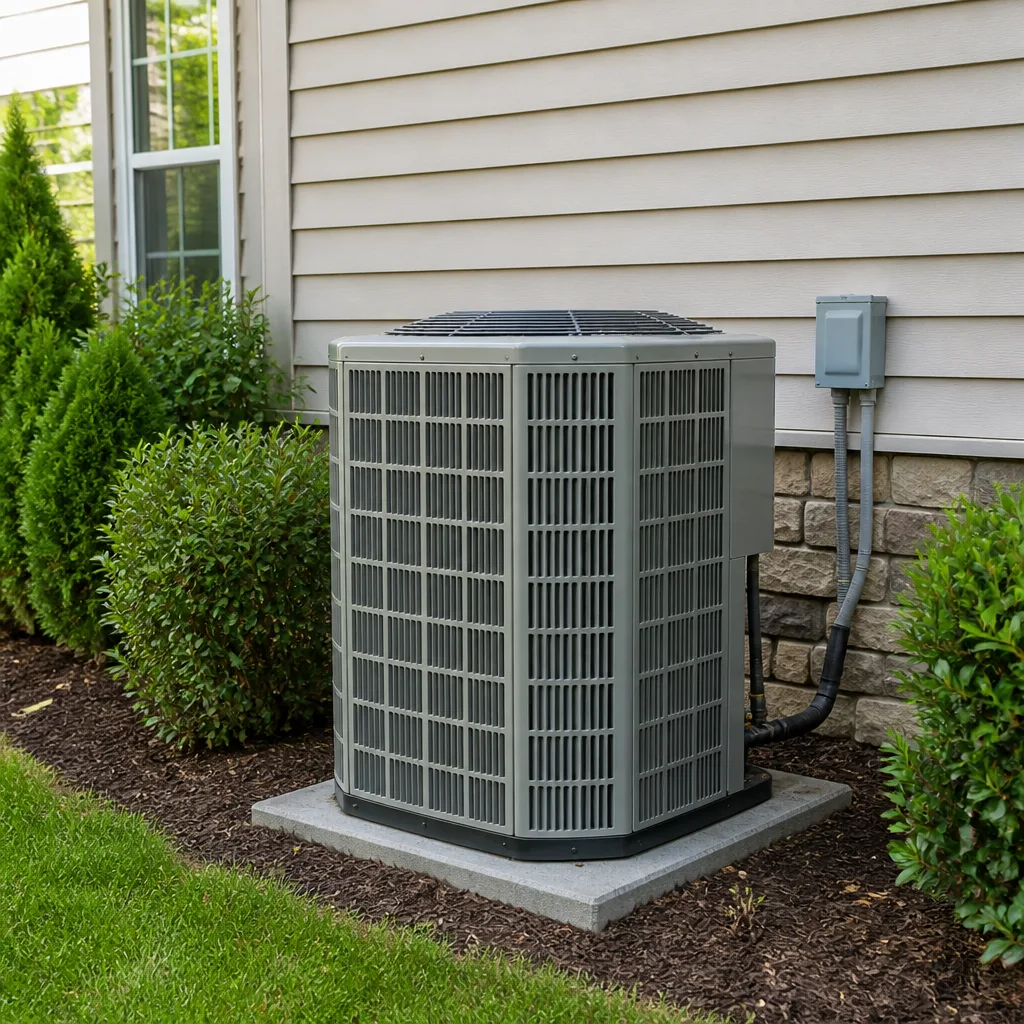 AC repair
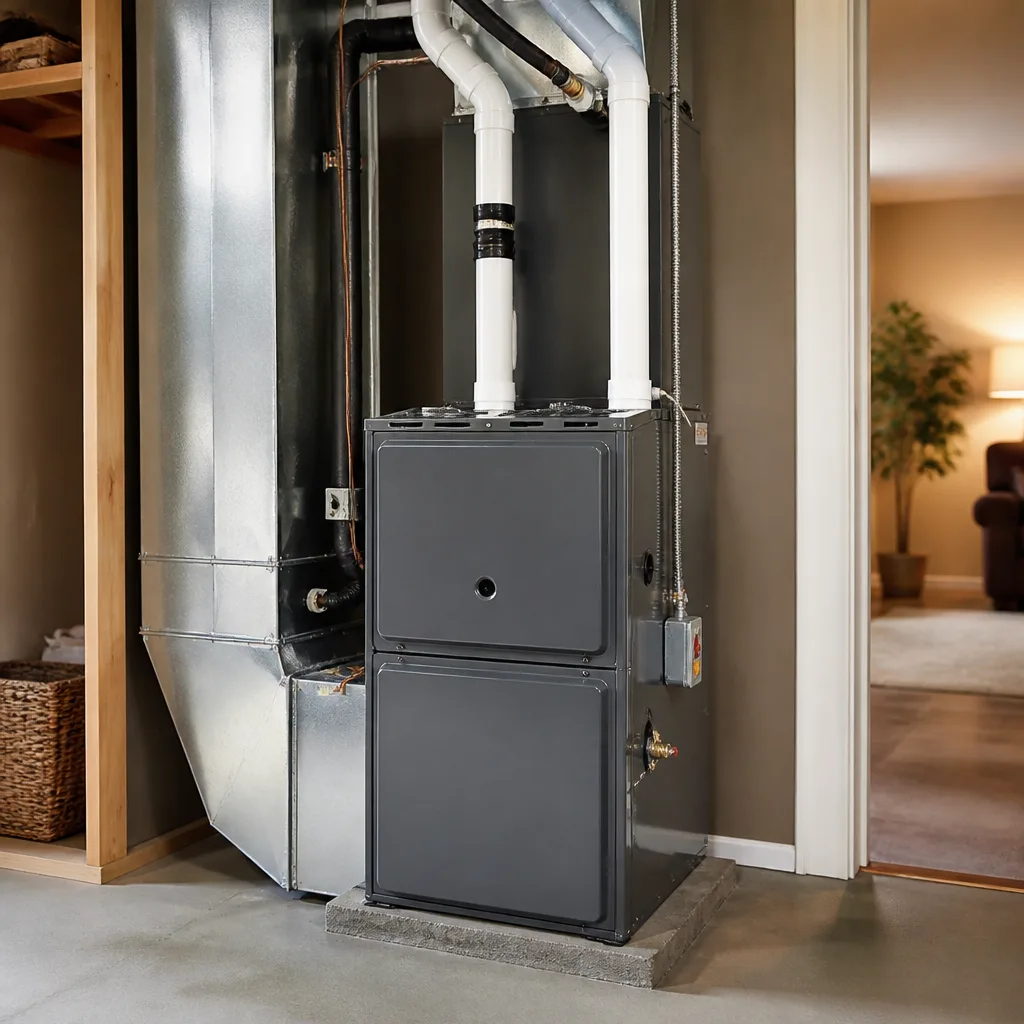 Furnace & heating
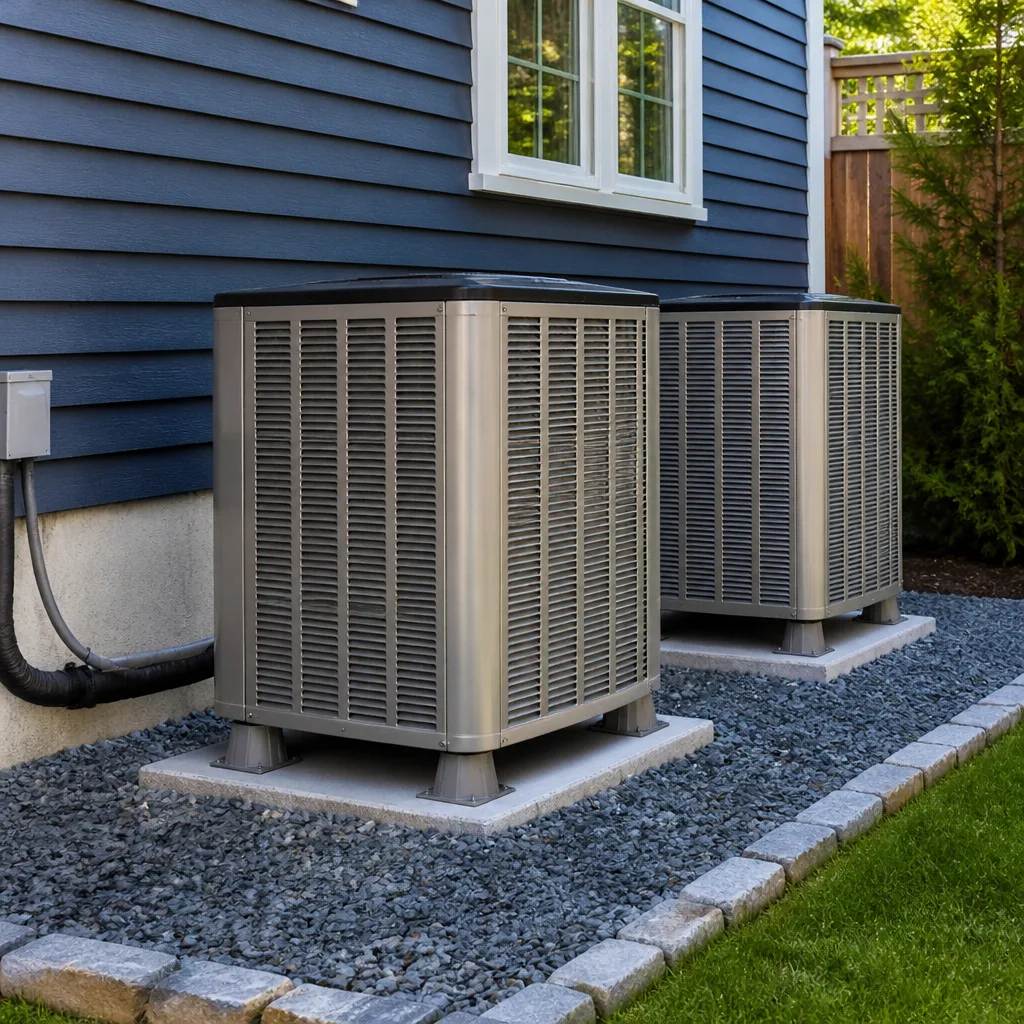 Heat pumps
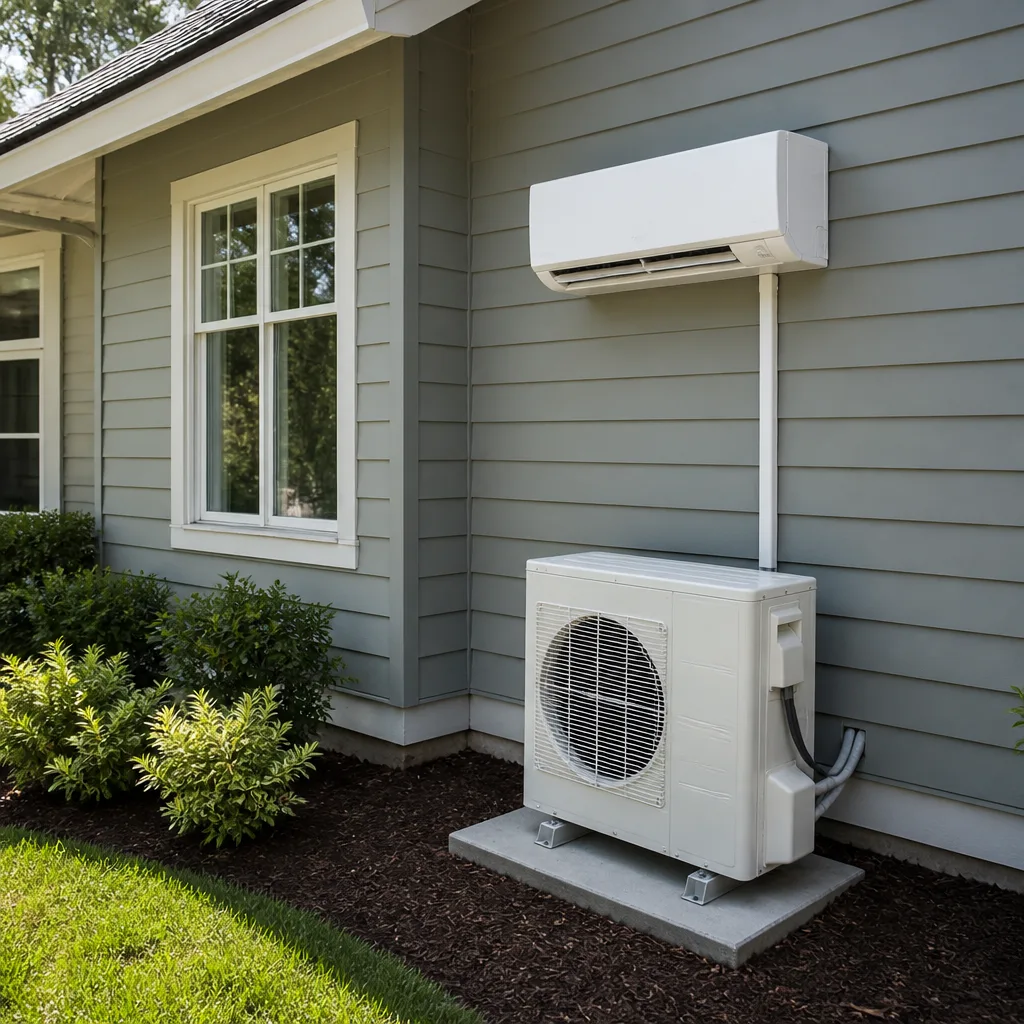 Ductless mini splits
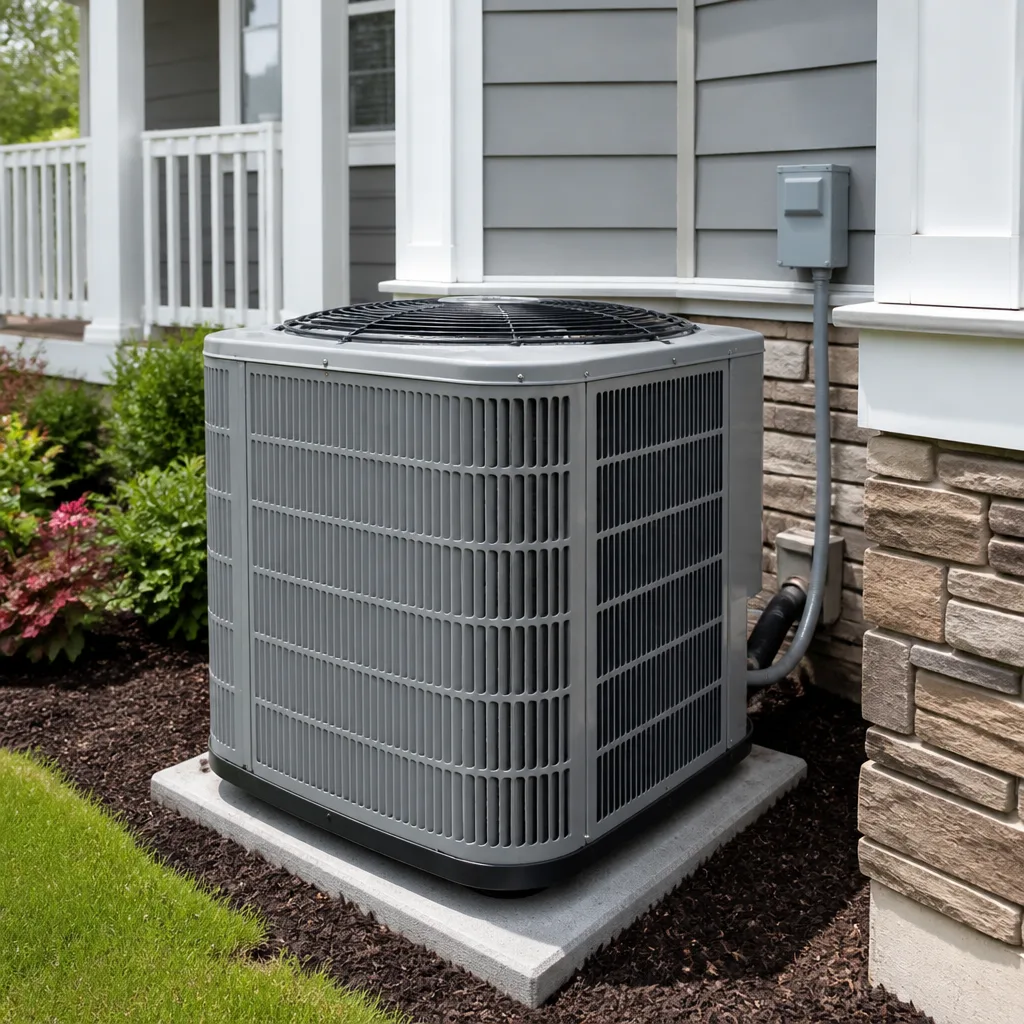 Carrier
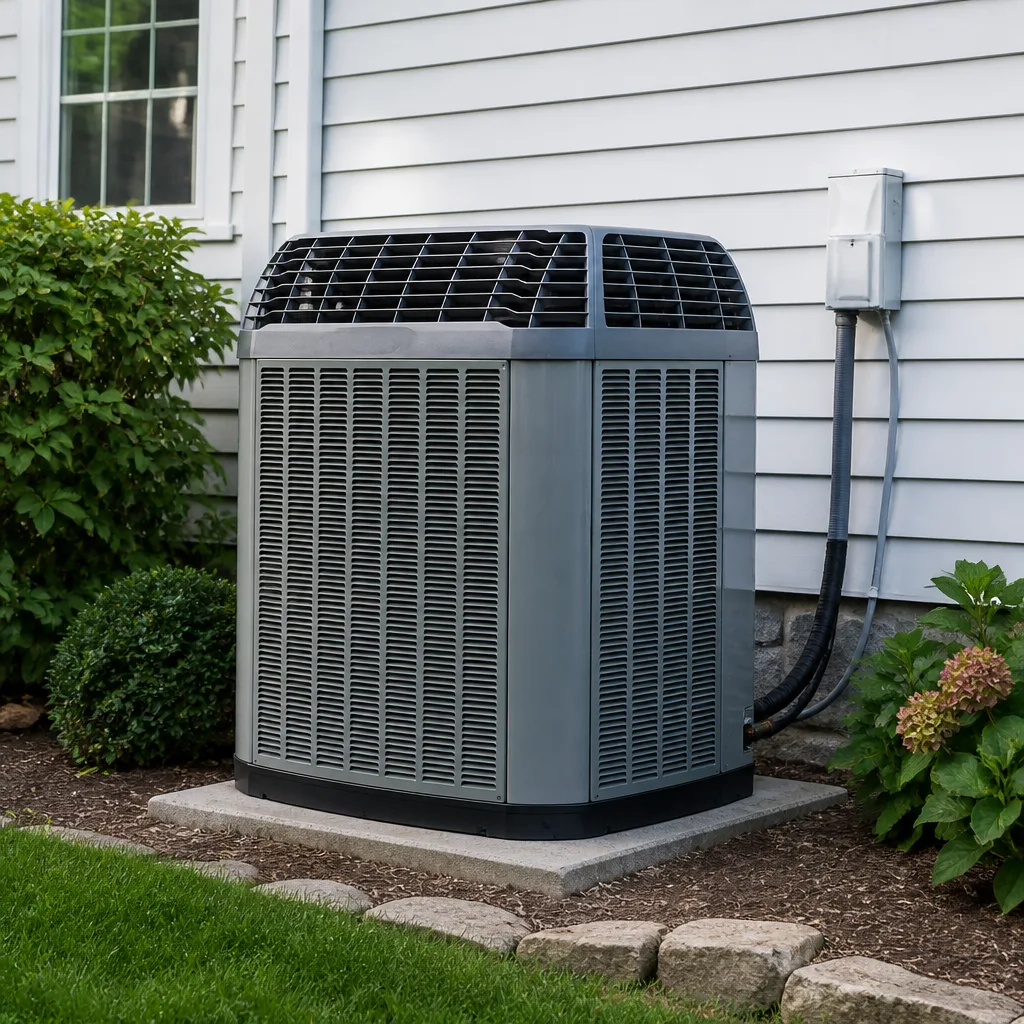 Trane
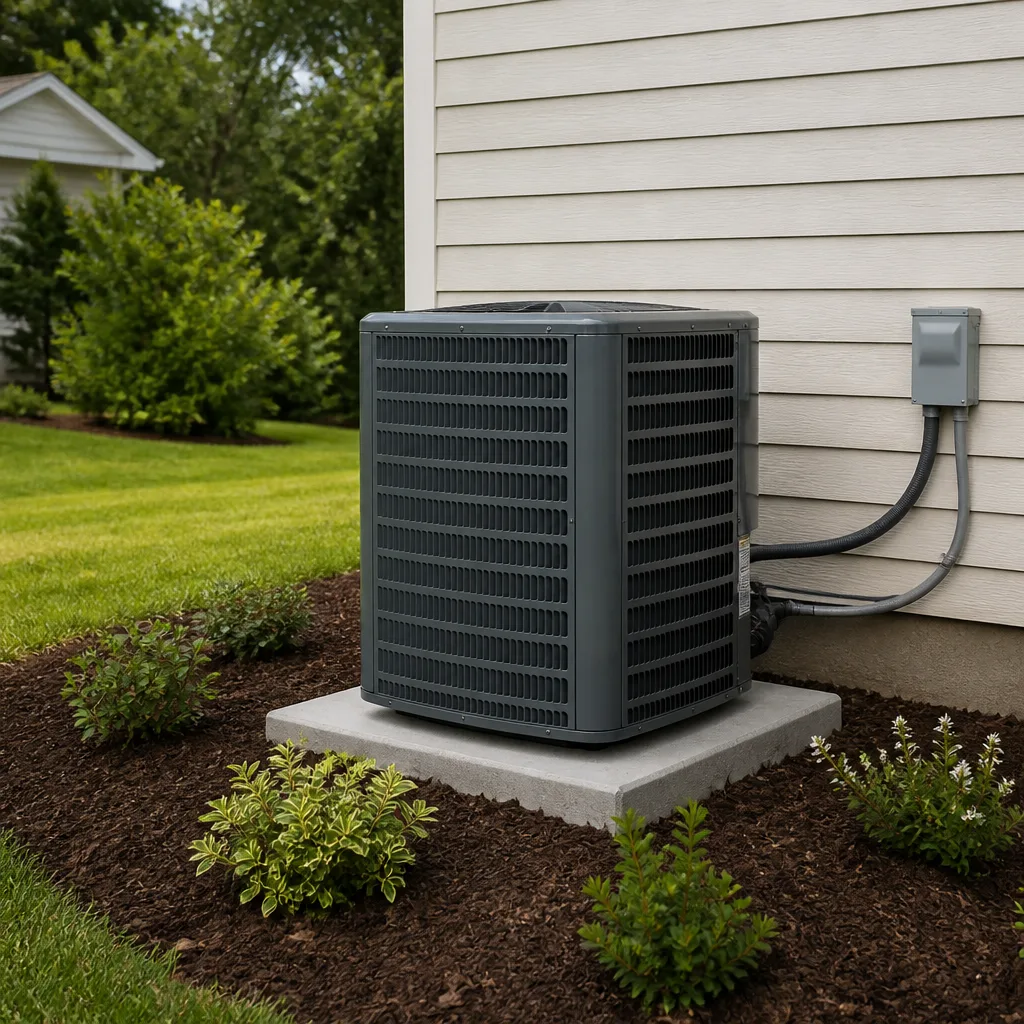 Goodman
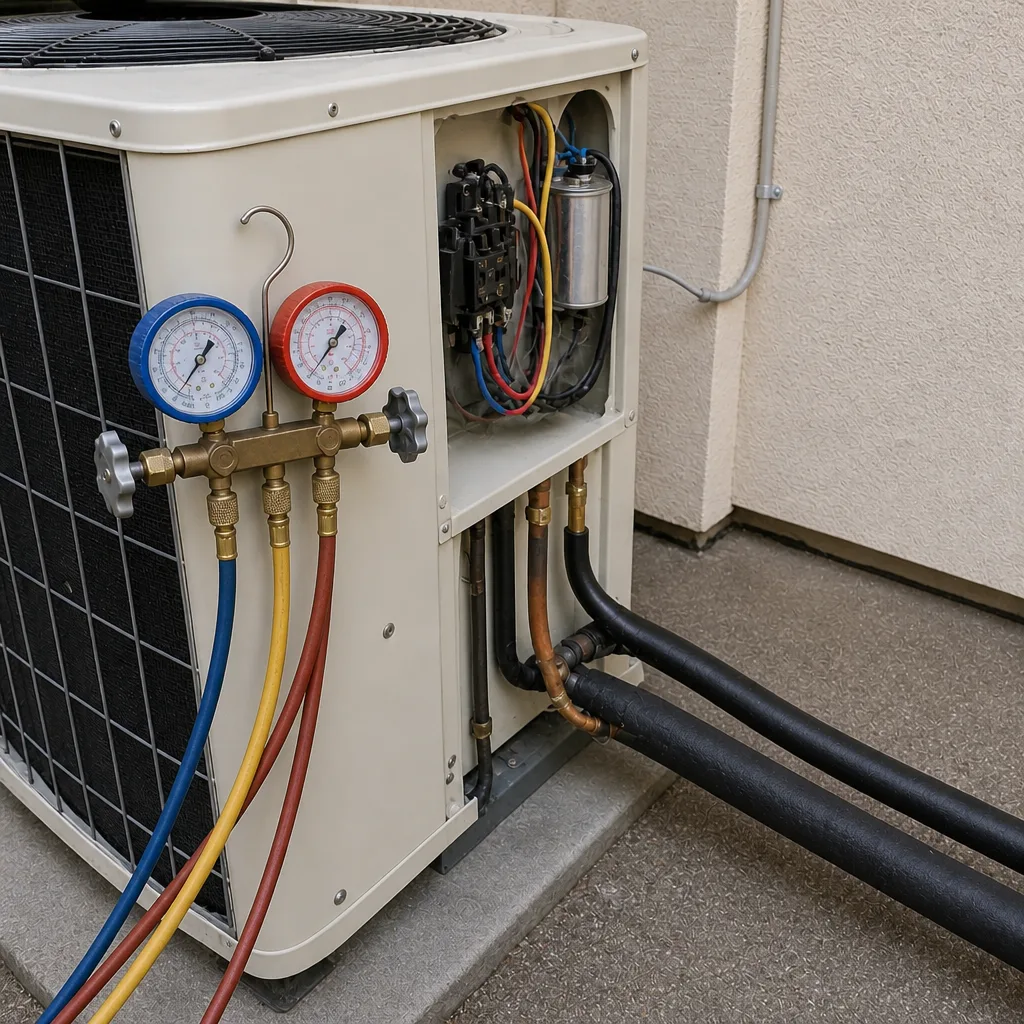
Seasonal tune-up and full diagnostic on your Carrier, Trane, or Goodman system - readings shown to you before any repair is proposed
Diagnosis first, numbers second - you approve the repair price before a single part goes in.
Get your free estimateHVAC Warning Signs: A Fremont Homeowner’s Reference Guide
The most useful thing you can learn about your HVAC system is that it rarely fails without warning. It telegraphs. What most homeowners miss is the translation: a symptom tells you which part is straining, how fast it’s degrading, and whether the smart move is a cheap repair now or a costly failure later. A squeal and a rattle can both mean trouble, but one is a capacitor and one is a blower bearing, and they carry very different urgency. This guide connects each warning sign to its likely cause, rates how fast you need to act, and shows you how Fremont homes fail in particular. By the end you’ll be able to describe your problem in language a technician can triage over the phone.
Quick Answer
HVAC warning signs fall into three categories: sounds, smells, and performance problems. Sounds like squealing or banging usually point to capacitors, bearings, or loose components. Smells like burning or musty odors point to electrical issues or biological growth. Performance problems like short cycling or uneven cooling point to refrigerant, airflow, or control failures. The critical ones to act on immediately are burning smells, refrigerant leaks, and any banging that starts suddenly. Everything else can usually wait for a scheduled visit, but none of it should be ignored.
Styles & brands we work with
- AC repair
- Furnace & heating
- Heat pumps
- Ductless mini splits
- Carrier
- Trane
- Goodman
Table of Contents
- Sound, Smell, and Performance Warning Signs Explained
- Which Warning Signs Mean Turn It Off Tonight
- How Fremont Homes Fail Differently
- What to Tell the Technician When You Call
- Repair vs. Replace: The Warning Signs That Decide It
- Warning Signs on Equipment Nearing the End
- What You Can Safely Check Yourself
- The Signs You Won’t Notice Until It’s Too Late
Sound, Smell, and Performance Warning Signs Explained
Each symptom you hear, smell, or feel on the wrong end of your vents points to a specific part or system. Here’s what to listen and watch for, and what’s usually behind it.
Sounds
- Squealing on startup, fading after 30 seconds: A capacitor failing to give the compressor or fan motor enough boost to start cleanly. Can run for weeks before it strands you.
- Banging or clanking from the outdoor unit: Loose fan blades, a failing motor bearing, or a compressor mount breaking down. Sudden, loud banging means turn it off.
- Clicking that repeats without the system starting: A control board, contactor, or safety switch cycling. Often the system is trying to start and shutting off on a safety trip.
- Rattling at the furnace: Loose panels or a blower wheel out of balance. Usually not dangerous but can become expensive if a wheel fails.
- Hissing from refrigerant lines: A leak. Treat as urgent because a low charge stresses the compressor with every cycle.
Smells
- Burning or electrical smell: Overheating wiring, a failing motor, or a control board. Turn it off and call. This is the one smell you don’t get to ignore.
- Musty smell from vents: Moisture in the air handler or ductwork feeding biological growth. Slower to fix but worth addressing before summer.
- Chemical smell (sweet or acrid) near the furnace: Could be a refrigerant leak on the cooling side or combustion byproducts on a gas furnace. Both need a professional inspection.
- Dusty, “hot dust” smell on first heating run of the season: Normal burn-off on older furnaces, but if it persists beyond the first cycle it’s worth a look.
Performance problems
- Short cycling (on/off every few minutes): Oversized equipment, a failing thermostat, low refrigerant, or a dirty filter. Each has a different fix.
- Uneven cooling between rooms: Duct leakage, a failing zone damper, or a blower losing pressure.
- Weak airflow from all vents: A clogged filter, blocked coil, or failing blower motor. Start with the filter.
- System runs constantly but doesn’t reach setpoint: Low refrigerant, a failing compressor, or an undersized system being asked to do too much.
Every one of these symptoms can be traced to a component. That’s the point of a Fremont homeowner learning them: you don’t need to fix anything, you need to describe the failure accurately enough that the right diagnostic and the right part come on the first visit.
Which Warning Signs Mean Turn It Off Tonight
Not every warning sign is a crisis, and treating them all as emergencies is expensive and stressful. Here’s how to sort them.
Turn it off and call now
- Any burning or electrical smell from the furnace, air handler, or outdoor unit.
- Sudden loud banging from the outdoor unit.
- Hissing from refrigerant lines or oily residue near connections.
- Water pouring from the indoor unit (likely a blocked drain line or frozen coil thawing).
- Any smell of gas near a gas furnace.
- Repeated breaker trips when the system starts.
Schedule a visit within the week
- Reduced cooling that hasn’t stopped entirely.
- Short cycling that’s getting more frequent.
- Musty smell from vents.
- Persistent rattling from the furnace.
- Uneven cooling between rooms.
Monitor and address at the next service
- Slight squeal on startup that clears fast.
- Occasional clicking at the outdoor unit.
- Longer runtime on the hottest afternoons.
- Rising energy bills with no change in habits.
When in doubt, describe the symptom to someone who works on HVAC every day. A short phone conversation about a burning smell is worth more than a week of hoping it goes away, and it costs nothing. Call (855) 473-9061. We answer 24/7. Fast dispatch from 7am to 7pm, Sunday through Friday, so a call outside dispatch hours is booked into the next opening. If you’re in Fremont and your system has stopped cooling entirely, our team handles Fremont AC Repair round the year, and we’re happy to talk through what you’re hearing before you commit to anything.
How Fremont Homes Fail Differently
Fremont’s HVAC failure patterns aren’t the same as what you’ll read in a national guide. The city sits in a wide band of microclimates, and that shows up in the equipment.
Homes closer to the bay side, in neighborhoods like Ardenwood, Niles, and the older streets around Centerville, tend to run humid air through the system more of the year. That humidity loads the indoor coil and the drain pan harder. The result: condenser coils that corrode earlier, drain lines that clog faster, and musty odors from vents that show up before other warnings. In our experience, bay-side Fremont homeowners should be checking drain pans and evap coils on a tighter schedule than most guides suggest.
East Fremont, out toward Warm Springs and Mission San Jose, is hotter and drier in summer and gets more airborne dust. That dust loads filters fast and settles on the outdoor condenser coil where it insulates the fins and forces the compressor to work harder. The failure mode here is overheating and burned-out compressors, not moisture. Changing the filter more often in these homes genuinely changes how long the equipment lasts.
Central Fremont homes, especially older ones near Irvington, often have ductwork installed decades ago that’s now undersized for the equipment it carries. That mismatch produces the “runs constantly, never quite cools the back bedrooms” complaint that’s common in the area.
Nights that drop into the 50s even in summer mean the system cycles more often than in hotter inland cities, which stresses capacitors and contactors. If you’re staying in a home near Lake Elizabeth or the auto mall, your system cycles more per day than a similar system in Livermore.
One more Fremont-specific note: the mix of ranch homes from the 1950s and 60s alongside newer builds near Pacific Commons means equipment ages are all over the map. A technician walking into two neighboring Fremont homes might be working on a Carrier system that’s fifteen years old on one side and a Bryant system installed last spring on the other. That’s why calling a company that services both brands – and works on ac installation too – saves you a second call.
What to Tell the Technician When You Call
The quality of your phone description drives the quality of the visit. Here’s how to give a technician what they need to triage accurately and load up for the right repair on the first trip.
- Name the symptom precisely. “Squealing on startup for about 30 seconds, then stops” is worth more than “making a noise.” Include the timing, duration, and whether it changes with the fan speed or thermostat setting.
- Say where it comes from. Outdoor unit, indoor air handler, vents, or walls. The location narrows the component list fast.
- Note when it started. “Since the first hot week of July” points to a cooling-side part, while “since we started running the heat in November” points to the furnace.
- State what the system does at the thermostat. Reaches setpoint? Short cycles? Blows cool for a while then warm? All of these are diagnostic clues.
- Give the equipment age and brand. A Bryant system at year twelve and a Carrier system at year three carry different likely failures. The brand also tells us whether parts are typically on hand or need to be ordered.
- Mention any recent work. Filter changes, a breaker reset, a thermostat swap – all of it changes what we check first.
- Say what you’ve already tried. If you swapped the filter and the symptom continued, we don’t need to start there.
That list is the difference between a call that resolves in one visit and a call that becomes a diagnosis appointment plus a parts-order follow-up. We work with Carrier, Trane, Lennox, Goodman, Rheem, York, Daikin, Bryant, and American Standard equipment, and when we know the brand upfront, the right part usually goes on the call the first time.
Repair vs. Replace: The Warning Signs That Decide It
Not all warning signs mean repair. Some mean the equipment is on its way out, and putting money into it is throwing good money after parts. Here’s how to tell the difference without a sales pitch.
- Compressor failure on equipment past year twelve: The compressor is the most expensive single part in the system. Once you’re past a certain age, the repair cost approaches what a replacement system costs, and you’re doing it on a unit that’s closest to its next failure.
- Coil leaks on aging equipment: Evaporator coil replacement on a system more than a decade old rarely pencils out. The rest of the system is already worn, and refrigerant handling costs add up.
- Repeated repairs in one season: If you’ve had more than two paid repairs in a twelve-month window, the equipment is telling you something. It’s not a coincidence.
- Repair cost approaching half of replacement: As a rough rule, when a single repair costs close to half of what a new system would, replacement starts to look smarter, especially with the efficiency gains.
- R-22 refrigerant: Systems using older R-22 refrigerant are expensive to recharge and increasingly impractical to service. If your system needs refrigerant of that type and is old, replacement deserves a real conversation.
- Comfort complaints you’ve tolerated for years: If the system never quite cooled the back rooms and it’s also reaching replacement age, the fix isn’t another repair, it’s a properly sized system.
We recommend replacement when the numbers point there, not when the calendar does. Because we service nine major brands, we don’t have a preferred system to push. The recommendation comes from your home’s load, your ducts, and your budget. If you’re weighing furnace repair against full replacement, we’ll walk through both numbers with you. Replacement work is scheduled, not same-day, and it starts with a written fixed price and a set install date.
Warning Signs on Equipment Nearing the End
The clearest signals that your system is in its final chapter are rarely dramatic. They’re quiet, incremental, and easy to dismiss. Watch for these.
- Rising utility bills with the same habits: A system loses efficiency as it ages. When a bill climbs two summers in a row without weather extremes, that’s not the utility, that’s the equipment.
- More than two filter changes per season: A system pulling more dust than it used to often has duct leaks or a blower losing pressure.
- Longer runtimes to reach the same temperature: You’ll notice the system takes an hour to do what used to take thirty minutes.
- Frequent thermostat adjustments: If you’re nudging the thermostat lower every summer, the system is losing capacity, not the weather.
- Refrigerant top-offs in consecutive years: Systems don’t consume refrigerant; they leak it. If you’ve topped off twice, the second charge was following the first leak.
- Loud startup on cool mornings: Aging compressors draw more current at startup, which stresses capacitors and means more no-heat mornings.
Fremont homes that hit these signals in April or May have a real scheduling advantage. A replacement quoted and booked before the first heat wave runs on a normal timeline. Once the first hot week hits, everyone calls at once, and scheduling stretches. If your system is showing two or more of the signs above, get an assessment now rather than waiting for the failure.
A properly sized system installed on schedule is the answer. Oversized replacements create their own failure modes: short cycling, uneven cooling, and early compressor wear. We size based on the home, not the sales sheet, and we handle the installation ourselves so there’s no hand-off between a heating specialist and a cooling specialist.
What You Can Safely Check Yourself
Some warning signs resolve with a homeowner check. Some don’t, and knowing which is which keeps you from making a small problem large. Do these before you call.
- Check the air filter. A clogged filter mimics low refrigerant, weak airflow, and short cycling. Pull it, hold it to the light, replace if you can’t see through it.
- Check the breaker. A tripped breaker is worth a single reset. If it trips again, stop and call.
- Check the thermostat batteries and setting. A thermostat on “fan only” with a too-high setpoint produces “no cooling” complaints that resolve in ten seconds.
- Check the outdoor unit for obvious debris. Leaves, grass clippings, and lint packed against the coil force the compressor to work harder.
- Check the drain pan. Standing water means a clogged condensate line. If it’s full, shut the system off and call; you don’t want water across the ceiling.
- Check the outdoor disconnect. Some systems have a pull-out disconnect outside. If it’s out, no component is getting power.
What you should not do: open the electrical panel on the air handler, attempt to add refrigerant, or work on anything gas-fired. Those are jobs for a trained technician and they’re genuinely dangerous if handled wrong. A gas furnace has a heat exchanger, gas valve, and flue that all need to be checked properly, and electrical panels carry lethal current. The cheap fix that seems tempting is the leading cause of expensive failures and injuries.
The Signs You Won’t Notice Until It’s Too Late
The most expensive failures don’t announce themselves. By the time you can see or hear them, the damage is done. Here’s what to catch before it gets there.
- A slow refrigerant leak: The system cools fine for now. What you won’t see is the compressor running hotter each cycle. Catch it with an annual checkup, not a failed compressor.
- A cracking heat exchanger on a gas furnace: Odorless and invisible from the outside. Only a technician with a combustion analyzer or a visual inspection of the exchanger finds it. This is a safety issue, not a comfort issue.
- Duct leakage in a crawlspace or attic: You’ll pay for cool air that never reaches the room. The system works harder and the bill climbs without an obvious reason.
- A failing capacitor: Squeals for a few starts, then one hot afternoon it doesn’t start at all. Capacitors are cheap to replace ahead of failure, and expensive to replace alongside a compressor.
- A partially blocked condensate drain: Runs fine until the day it doesn’t, and then it’s water damage in a closet or garage ceiling.
These are the reasons an annual checkup pays for itself. You’re not paying for a tune-up for its own sake. You’re paying for someone to find the things you can’t see yet. During a checkup, the technician should tell you plainly what was found, and there should be no pressure to sell you anything: the price is set by the written estimate before any work starts, not by a technician’s commission.
Fremont homeowners who stay with a single checkup per season, one in spring for cooling and one in fall for heating, catch most of these before they turn into emergency calls. Because we cover both sides of the system, the same technician can look at how the furnace and the AC are aging together, which catches the cross-system problems a heating-only or cooling-only contractor misses.
Common Mistakes to Avoid
- Ignoring a burning smell to “wait and see.” A burning smell from HVAC equipment is a fire risk. Turn the system off and call the same day. It’s the one symptom where waiting is genuinely dangerous.
- Topping off refrigerant and calling it fixed. A system that needs refrigerant has a leak. Adding refrigerant without finding the leak just delays the failure and stresses the compressor in the meantime.
- Buying a replacement on the first visit without a load calculation. An oversized system is as bad as an undersized one. Insist on a proper sizing assessment, not a square-footage guess.
- Skipping the filter in east Fremont summers. Homes near Warm Springs and Mission San Jose pull enough dust in warm months that a monthly filter check is normal. Ignoring it is the fastest path to a dead compressor.
- Running a system that’s short-cycling for weeks. Short cycling wears the compressor, the contactor, and the capacitor. Fixing the cause early costs much less than fixing the damage later.
- Calling a brand-specific contractor for a brand they don’t usually work on. A company that stocks and services your brand has the right diagnostic approach and the right parts. If a contractor doesn’t recognize your Carrier or American Standard model, ask for someone who does.
- Waiting for the first heat wave to schedule a replacement. Fremont’s first hot week fills every HVAC calendar in the city. Book in spring and you’re not competing for the next opening.
See the difference
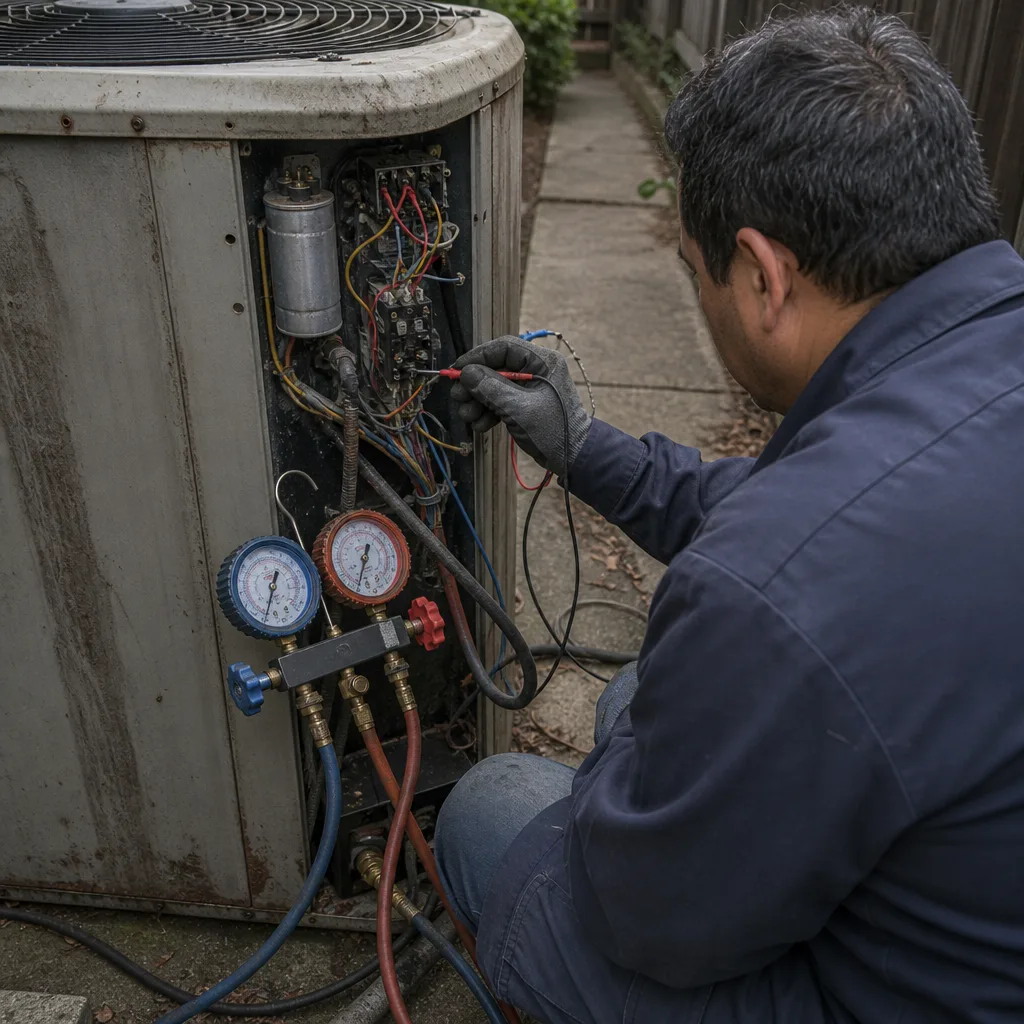 Before
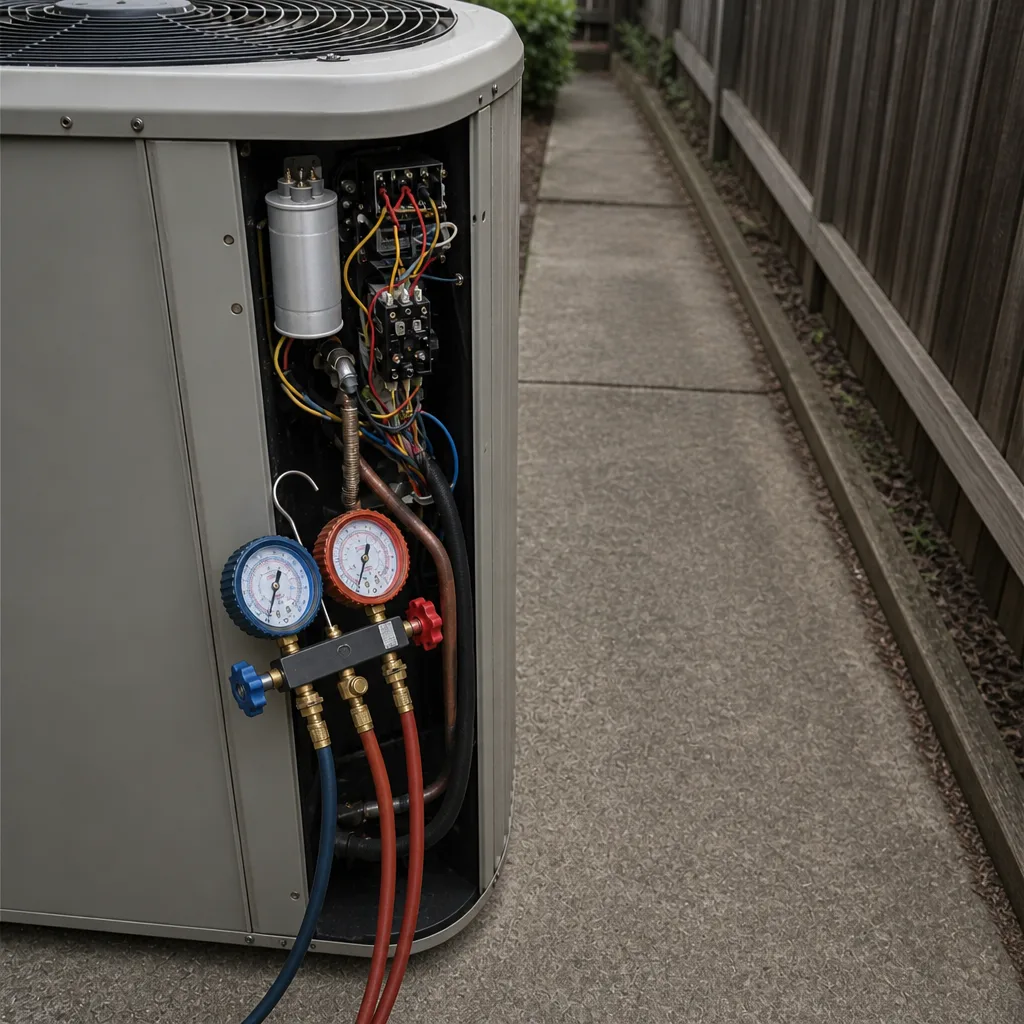 After
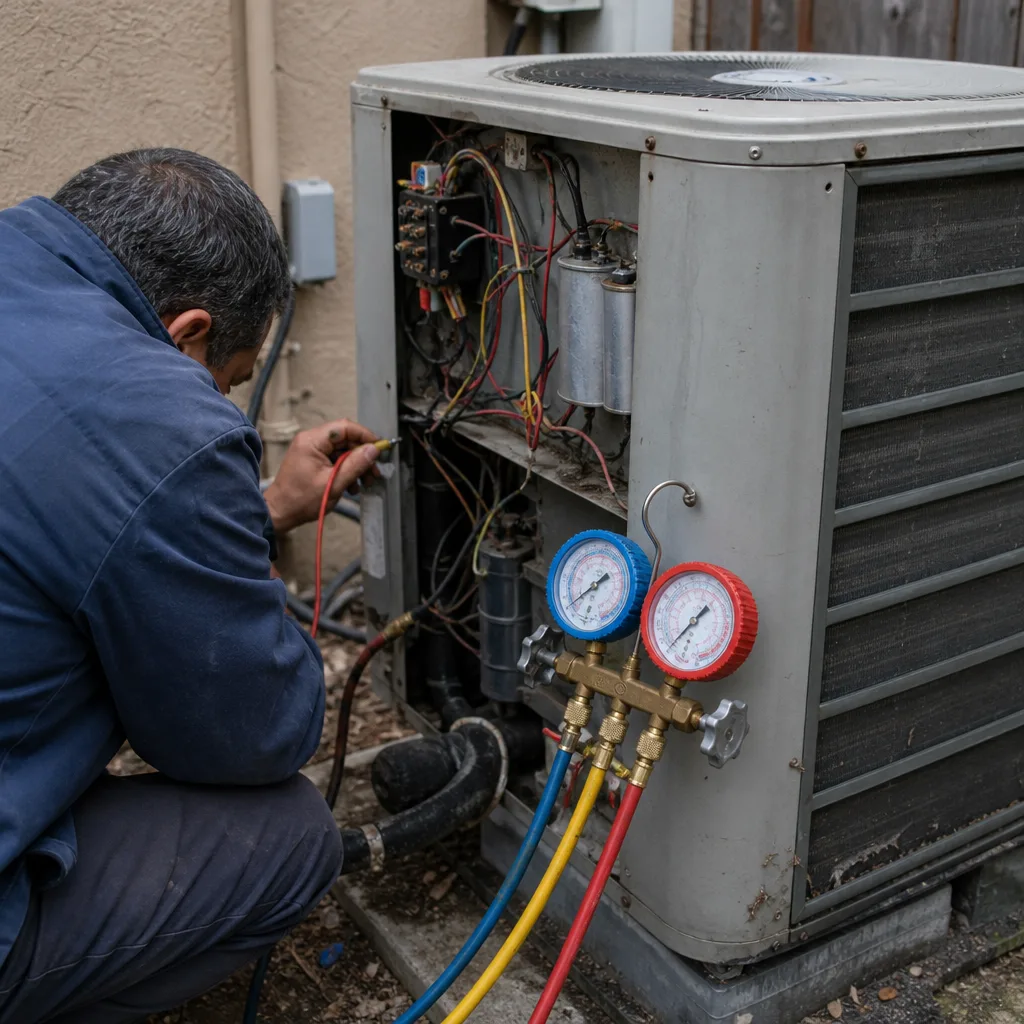 Before
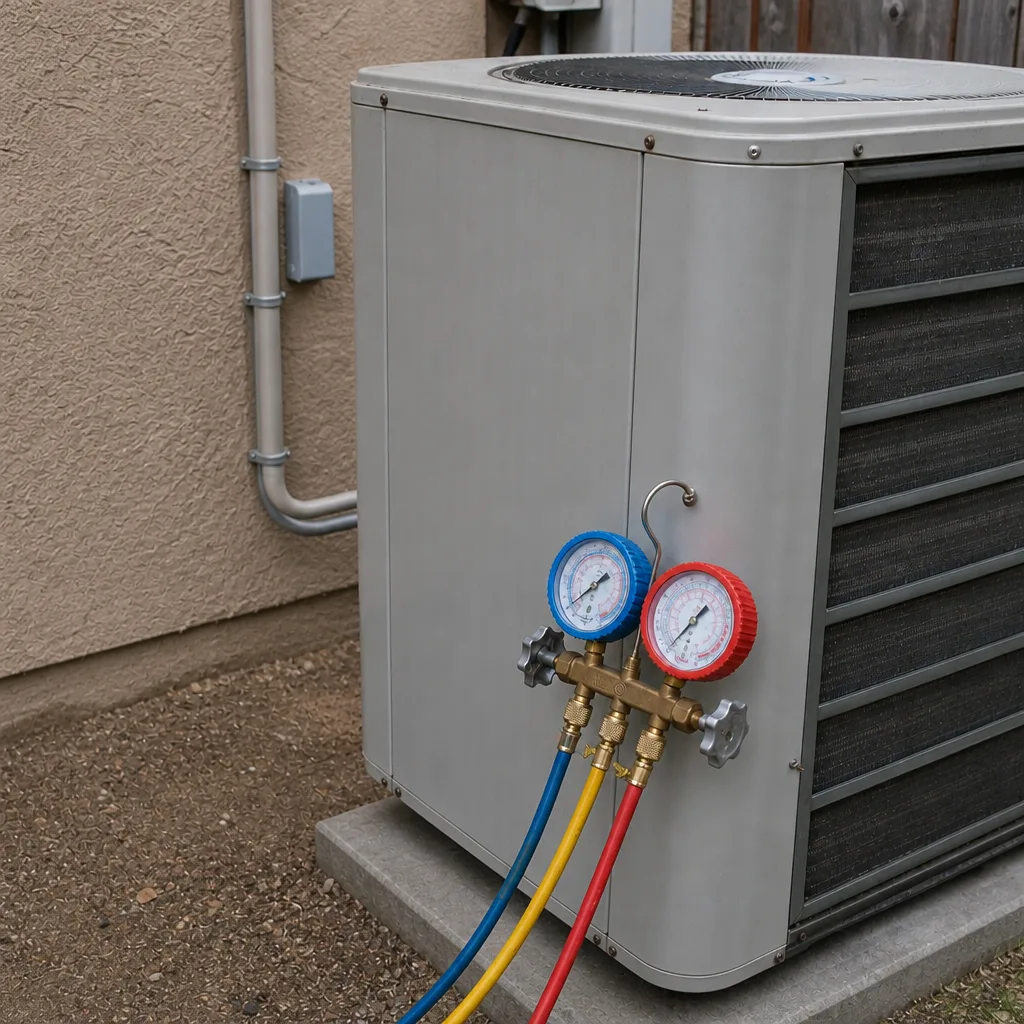 After
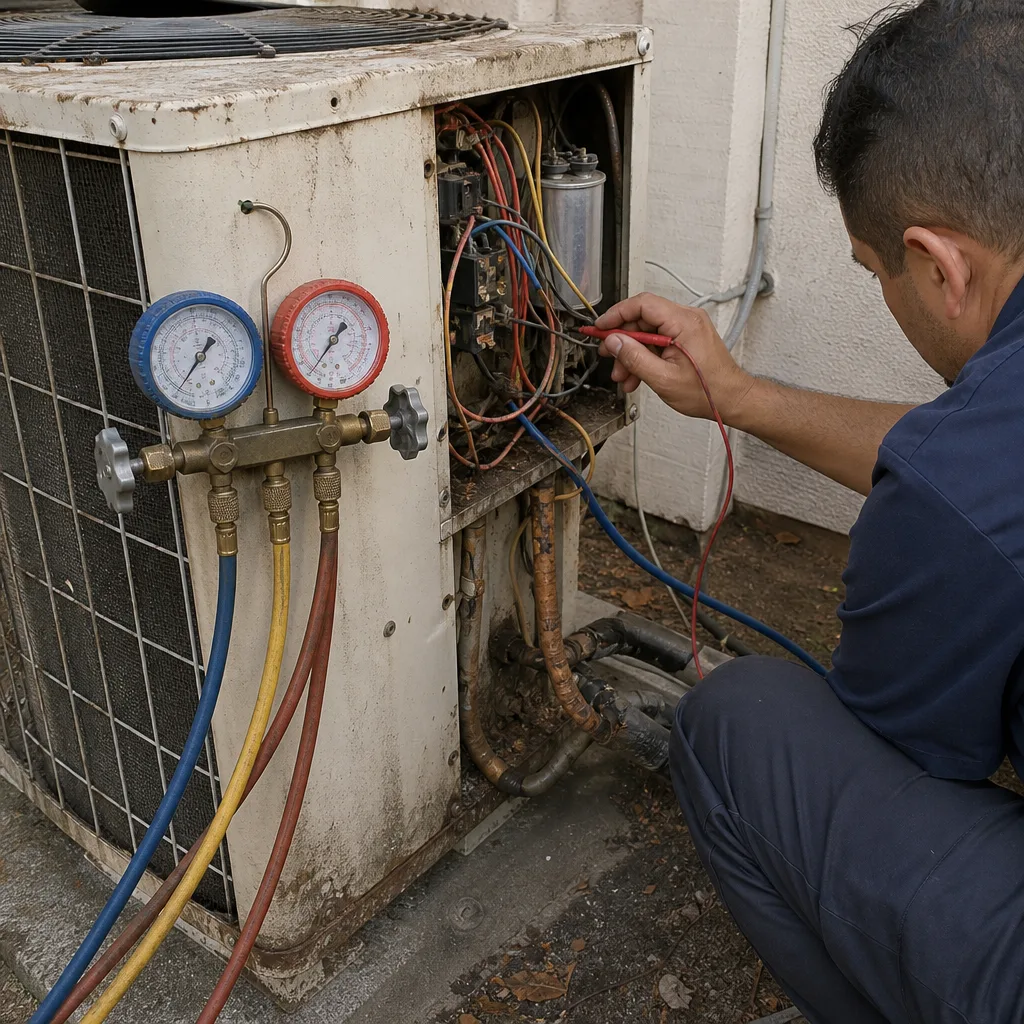 Before
 After
When to Call a Professional
Call us if you smell anything burning, hearing a sudden banging from the outdoor unit, see water pouring from any HVAC equipment, or sense gas near a furnace. Those are stop-now signals, and they’re not the ones to troubleshoot on your own. Call us if the system is short-cycling, running constantly without reaching the setpoint, or losing cooling gradually and you can’t tell whether it’s refrigerant or airflow. Call us if you’ve had two paid repairs in the last year and want an honest read on whether the equipment is worth another one. Call us if you’re staring at an aging system and want to know which signs mean replacement is smarter than another repair. Call us if you can’t find a contractor who recognizes your equipment brand and you want someone who works on it weekly. Call us if the system is making a sound you can’t name, and you’d rather know what it is than hope it goes away.
Fremont AC Repair offers free estimates in Fremont. Call (855) 473-9061. We answer 24/7. Fast dispatch from 7am to 7pm, Sunday through Friday. Our technicians have up to 8 years of experience, and they work across Carrier, Trane, Lennox, Goodman, Rheem, York, Daikin, Bryant, and American Standard equipment, so brand-matching guesswork isn’t part of the visit.
Frequently Asked Questions
A burning or electrical smell is the single most urgent warning sign, followed quickly by sudden loud banging from the outdoor unit and any hissing from refrigerant lines. Those point to fire risk or a refrigerant leak that will damage the compressor if it keeps running. Turn the system off and call (855) 473-9061 for an exact quote on the visit, since estimates are free.
It depends on the noise. A high-pitched squeal on startup that clears after 30 seconds is usually a failing capacitor and can wait a week, though scheduling sooner avoids a mid-heat-wave failure. Banging, clanking, or any symptom accompanied by poor cooling should not wait. If you’re unsure, call (855) 473-9061 and describe the sound; a two-minute conversation often tells you exactly how fast to act.
It’s more often a repair, especially if the system is under ten years old. The usual culprits are low refrigerant from a leak, a clogged filter or evaporator coil, or a failing blower motor. That said, on an older system that’s had multiple repairs, constant runtime combined with weak cooling starts to point toward replacement. Call us at (855) 473-9061 and we’ll run a diagnostic and give you a straight answer with real numbers.
Fremont’s summer afternoons push some neighborhoods past 90 degrees while nights drop into the 50s, so the system cycles more per day than in hotter inland cities. More cycles stress capacitors, contactors, and compressors faster. The result is that quiet degradation on the electrical side often surfaces as a sudden no-cool call on the first hot week. Scheduling a checkup before that week runs catches most of it.
If the compressor fails on a system past year twelve, replacement is usually the smarter call. The compressor is the most expensive part in the system, and the rest of the equipment is close to failure too. Replacing the compressor alone often costs close to half of what a full replacement would, and then you’re still working with aging coils and an aging blower. Call us at (855) 473-9061 and we’ll quote both options in writing so you can decide without pressure.
Musty air from vents points to moisture somewhere in the system, usually the indoor coil, the drain pan, or damp ductwork. It’s not a fire hazard, but it can grow worse and stress the coil over time. It’s worth a scheduled visit, and quickly, since the fix is often simple once a technician finds the moisture source. Call (855) 473-9061 for a free estimate.
The Bottom Line
Warning signs from your HVAC aren’t random. Each one traces to a specific component and carries its own timeline. Burning smells and refrigerant leaks are stop-now symptoms. Squeals, short cycling, and airflow loss are schedule-this-week symptoms. Rising bills and longer runtimes are your early warnings that the system is aging faster than the calendar suggests. Learning a few of them well enough to describe them on a call is the single best way to make the repair cheaper, faster, and more accurate. In Fremont, bay-side homes fight moisture, east-side homes fight dust, and older central homes fight undersized ducts. A technician who knows the pattern of your corner of the city can triage by phone before ever arriving, because the right diagnosis starts with the description you give.
If something on your system has started acting differently, call (855) 473-9061. We answer 24/7. Fast dispatch from 7am to 7pm, Sunday through Friday, so a call outside dispatch hours is booked into the next opening. Free estimates, upfront pricing, and if you’re looking for a Fremont technician who knows your brand, we service nine of the majors and handle installation, repair, or full replacement under one call.
Written by the team at Fremont AC Repair.