
Last updated November 15, 2026
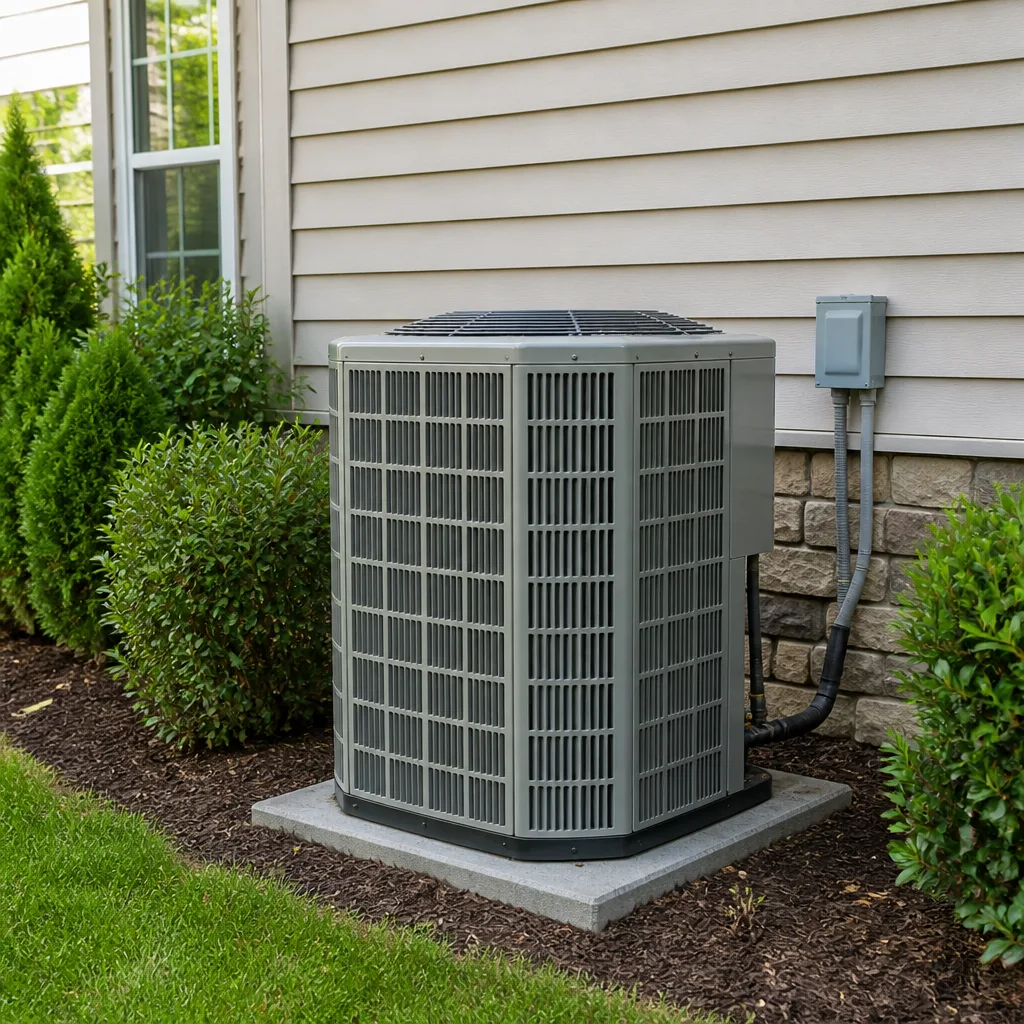 AC repair
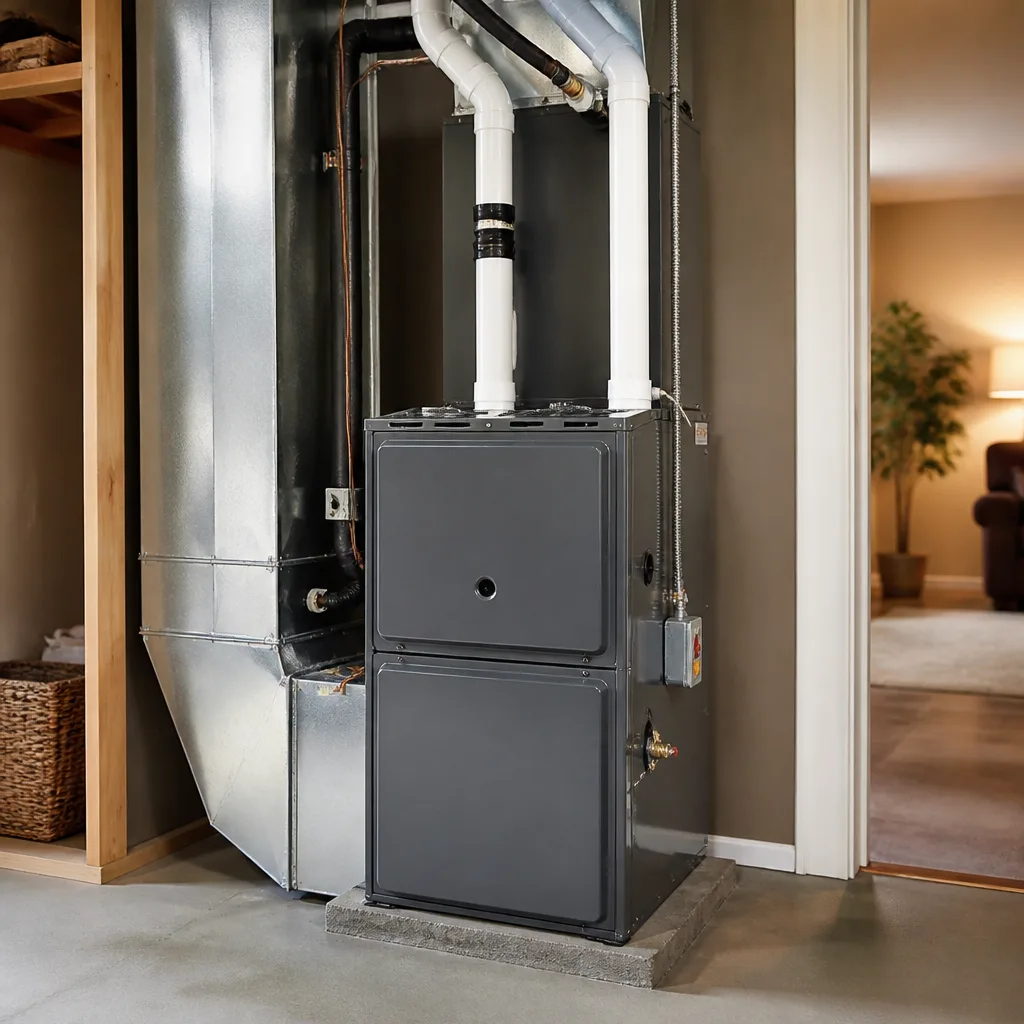 Furnace & heating
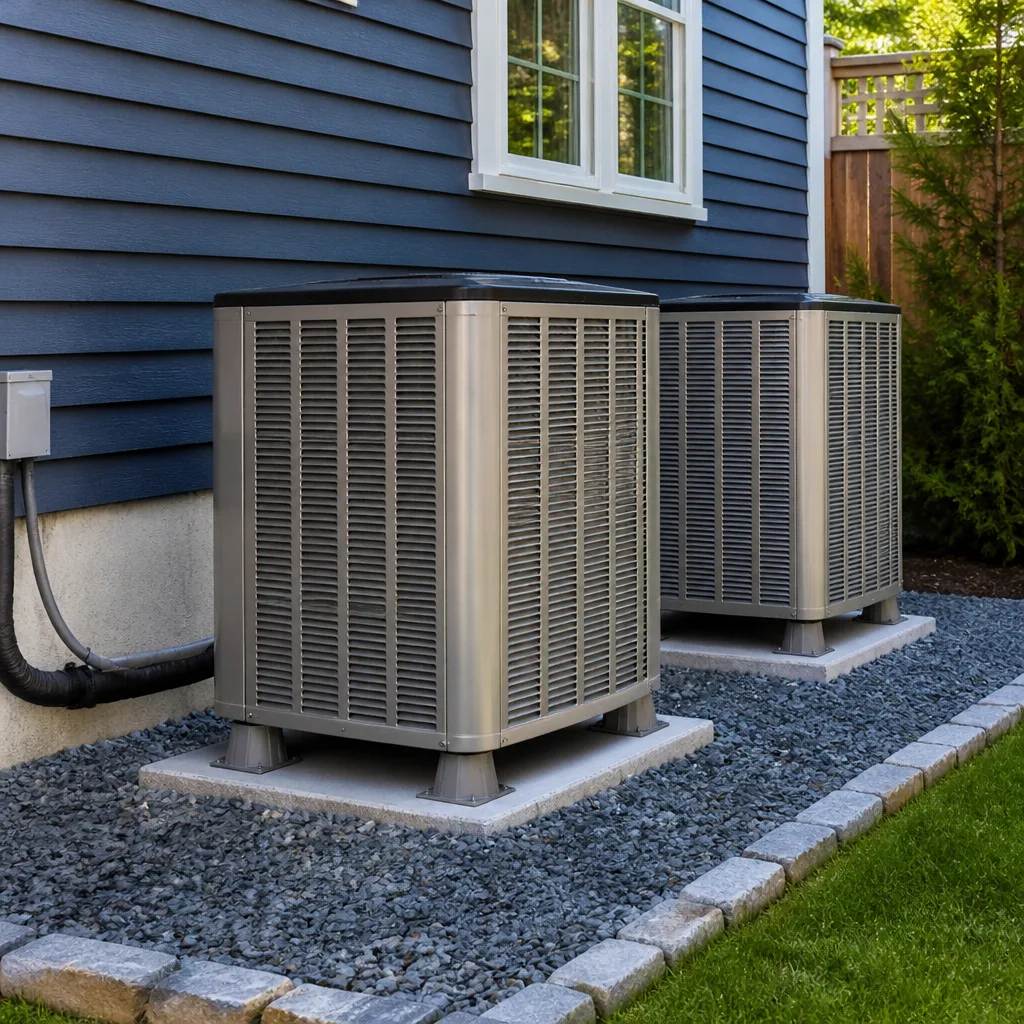 Heat pumps
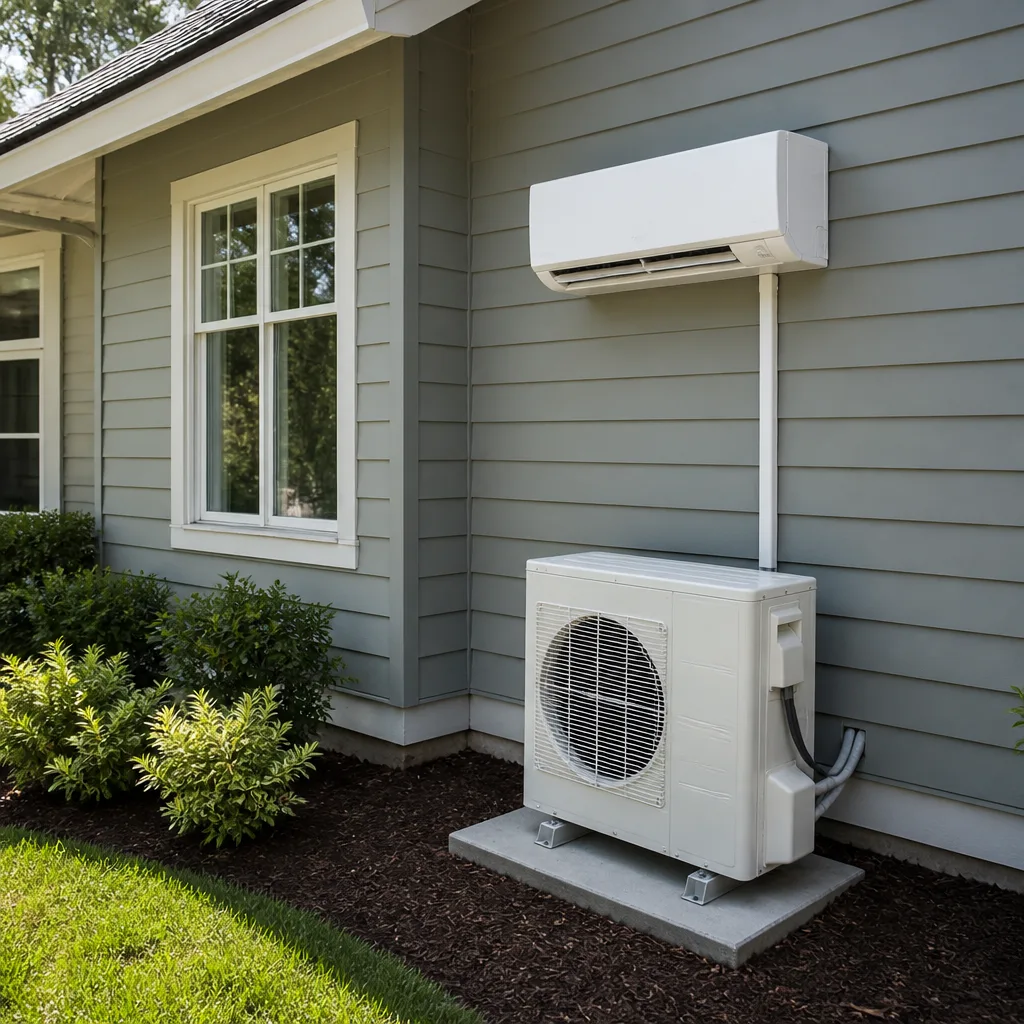 Ductless mini splits
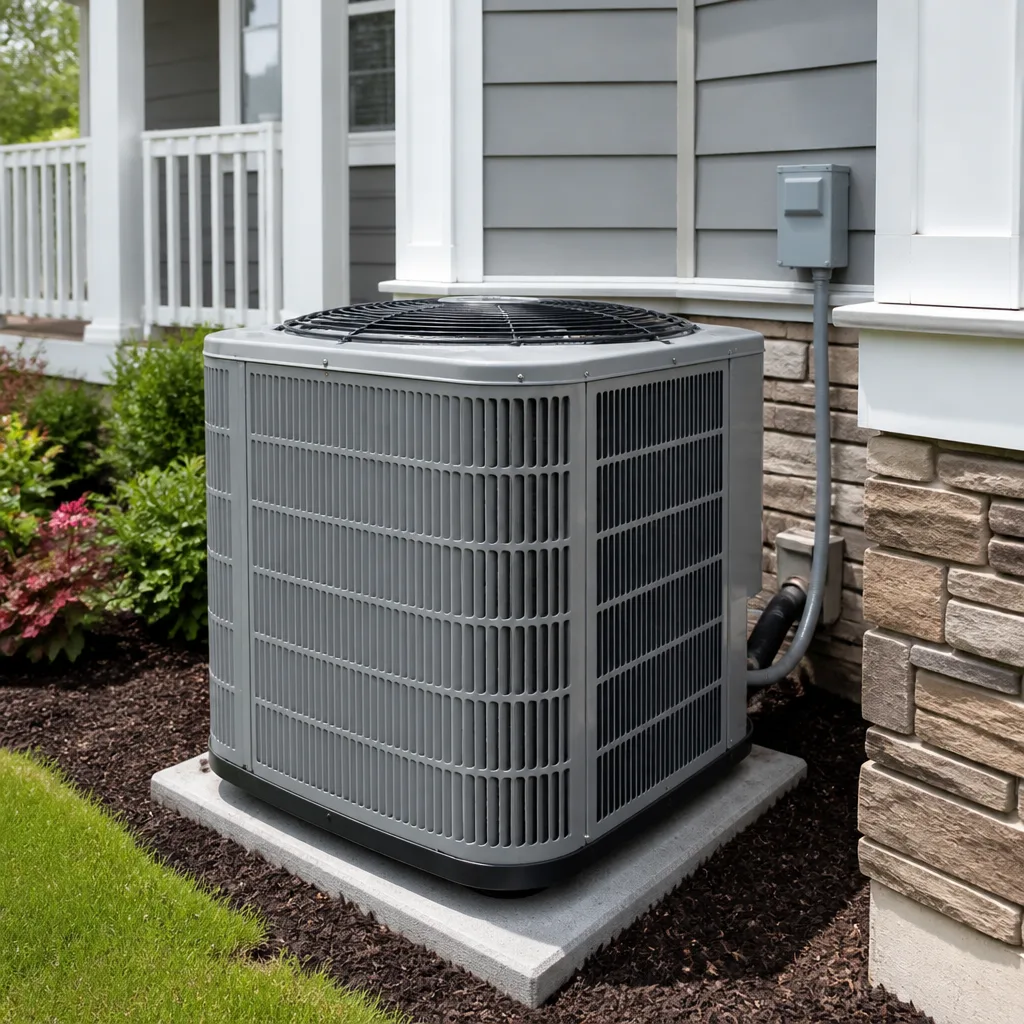 Carrier
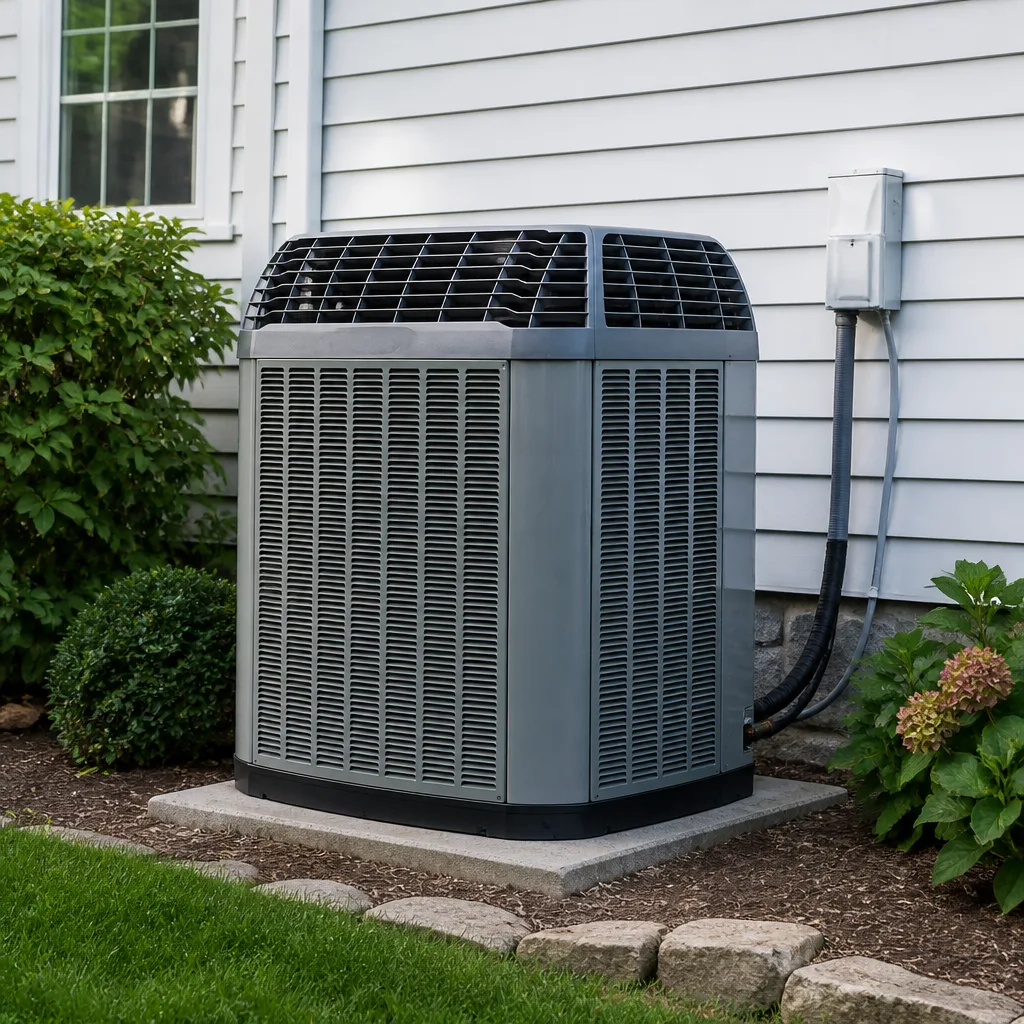 Trane
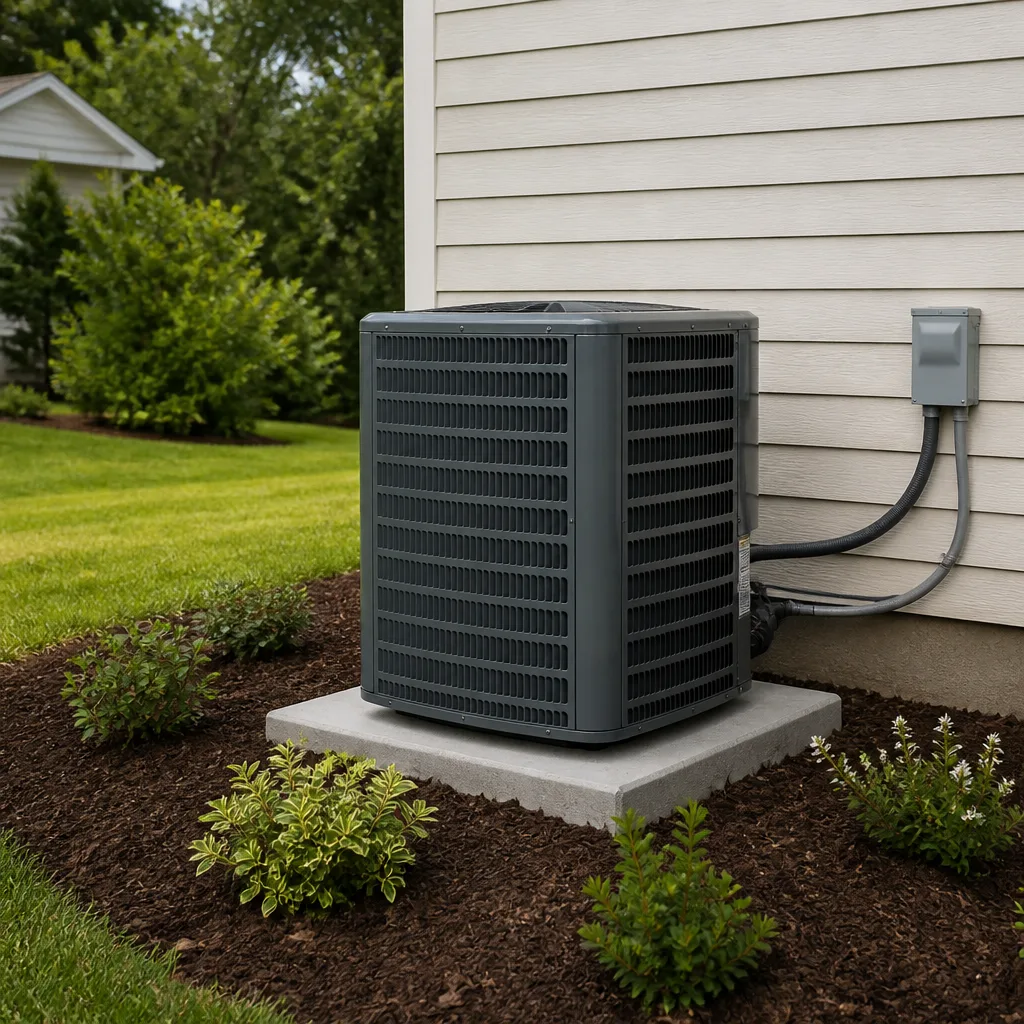 Goodman
Seasonal tune-up and full diagnostic on your Carrier, Trane, or Goodman system - readings shown to you before any repair is proposed
Diagnosis first, numbers second - you approve the repair price before a single part goes in.
Get your free estimateThe Complete AC Installation Guide for Fremont Homeowners
Most AC installations in Fremont are oversized by at least half a ton. Not because contractors are lazy, but because they’re using load calculators built for Sacramento heat, not Bay Area coastal conditions. A unit sized for a 100°F design day will short-cycle its way through a Fremont summer that rarely pushes past the mid-80s, and short cycling means uneven cooling, higher bills, and a compressor that wears out years before it should. This guide walks through what a proper Fremont installation actually involves: the load calculation numbers that matter here, how Niles and Centerville housing stock shapes duct decisions, the City of Fremont permit path, which system configuration fits this climate, and how to read SEER2 ratings against your real run-hours. It’s the walkthrough we wish every homeowner had before signing.
Quick Answer
A correct AC installation in Fremont starts with a Manual J load calculation built on a design temperature near 85°F, not the 95 – 100°F figures used inland. From there you choose between a split system, packaged unit, or ductless mini-split based on your home’s existing ductwork and layout, pull a permit through the City of Fremont Building Division, and select SEER2 equipment matched to actual run-hours rather than the highest rating on the sticker. Skipping any of those four steps is where most installations go wrong.
Styles & brands we work with
- AC repair
- Furnace & heating
- Heat pumps
- Ductless mini splits
- Carrier
- Trane
- Goodman
Table of Contents
- Why Load Calculation Comes First
- How Fremont Housing Stock Shapes the Install
- The City of Fremont Permit Process
- Split, Packaged, or Ductless: Choosing a Configuration
- Reading SEER2 Against Fremont Run-Hours
- Evaluating Brands and Equipment Tiers
- What AC Installation Costs in Fremont
- What a Proper Installation Looks Like, Step by Step
Why Load Calculation Comes First
A Manual J load calculation is the engineering step that determines how much cooling your home actually needs, measured in tons. Everything downstream depends on it: equipment size, duct sizing, airflow settings, and the refrigerant charge. Get it wrong and no amount of careful installation fixes the problem. In Fremont, the calculation has to reflect the marine layer that rolls through the East Bay most summer evenings, dropping outdoor temperatures into the 60s and reducing how hard your system works overnight. A calculator set for Sacramento conditions assumes the system runs hard every afternoon and never gets a break. That’s not how Fremont summers behave.
The design temperature field is where this goes wrong most often. Manual J uses a design temperature representing the hottest conditions your system will face, and equipment is sized to meet that load. Contractors pulling default values from inland California are sizing to a hotter day than Fremont gets. The result: a 3-ton unit where 2 or 2.5 tons would run longer, drier, and more evenly.
Three things a correct Fremont load calculation accounts for:
- Design temperature near 85°F. Not the 95 – 100°F defaults inland. This alone can drop the required tonnage by half a ton or more.
- Marine layer humidity. Drier evening air means less latent load than a heat-soaked inland climate, which affects equipment selection and airflow settings.
- Actual envelope. Window area, insulation, orientation, and how much shade the home gets. Two houses on the same Niles street can carry different loads.
Ask any contractor you’re considering to show you the load calculation output before they quote equipment. If they size by square footage alone or “what the last house needed,” the calculation didn’t happen. Our technicians have up to 8 years of experience running these calculations on Fremont homes, and we’ll walk you through the numbers.
How Fremont Housing Stock Shapes the Install
Much of Fremont’s housing was built between the 1960s and 1980s, and the neighborhoods that expanded in those decades – Niles, Centerville, and Warm Springs among them – carry construction patterns that directly affect an AC retrofit. The good news is that many of these homes already have ductwork from a forced-air furnace. The challenge is that the duct system was sized for heating airflow, not cooling, and the two aren’t the same.
Cooling requires higher airflow than heating in most residential systems, typically in the range of 350 to 400 cubic feet per minute per ton. Ducts that move enough warm air off a furnace in winter can be undersized for summer cooling. When that happens, you get a system that can’t deliver its rated capacity no matter how good the equipment is.
What we look at in these older Fremont homes:
- Duct sizing. Original galvanized or early flex duct from the 1960s and 70s is often marginal for cooling airflow and may need upsizing or partial replacement.
- Duct insulation and sealing. Attic ducts lose cooling to the attic if they’re under-insulated or leaking at joints. Sealing and insulating are part of a proper installation, not an add-on.
- Return air capacity. Older homes frequently have a single undersized return. A system that can’t pull enough air back will run hot and strain the compressor.
- Attic and crawlspace clearance. Warm Springs homes on slab or raised foundations have different access constraints than two-story Niles properties, and the installation plan has to match.
- Panel capacity. Adding a modern AC to a home built before central cooling existed sometimes means checking that the electrical panel can carry the new load.
If the ductwork needs replacement or major modification, that’s a real line item in the estimate, and a contractor who skips the inspection is either guessing or planning to surprise you later. We scope it up front so the written estimate is the number you pay.
The City of Fremont Permit Process
AC installation in Fremont requires a permit through the City of Fremont Building Division. Replacing or installing a central cooling system is a mechanical permit item, and the inspection verifies the permit was pulled, the equipment is correctly installed, and the refrigerant handling was done to code. This isn’t optional paperwork. A system installed without a permit can complicate a future sale, and if a warranty claim ever arises, the manufacturer can point to the unpermitted installation as grounds for denial.
What the process generally looks like:
- Permit application. The contractor submits the scope, equipment specs, and load information to the Building Division.
- Review and issuance. Typical residential mechanical permits are reviewed and issued on a timeline that varies with the Division’s workload, so plan for scheduling around the permit rather than assuming it’s instant.
- Installation. Work is performed to the permitted scope. Any change to equipment size or location means updating the permit.
- Inspection. The Building Division inspects the installation. This is where improper refrigerant handling, missing disconnects, or undersized circuits get caught.
- Final sign-off. Once the inspection passes, the permit closes.
Ask your contractor for the permit number before work starts. If they tell you a permit isn’t needed or that they’ll “handle it later,” that’s your signal to keep looking. You can verify permit status directly with the City of Fremont Building Division, and it’s worth doing. Every installation we handle includes pulling the permit and coordinating the inspection.
Split, Packaged, or Ductless: Choosing a Configuration
Three configurations cover nearly every Fremont installation, and the right one depends on your home’s existing infrastructure more than on the equipment itself. Here’s how they compare for this climate.
- Split system. The most common choice for Fremont homes that already have ductwork. The condenser sits outdoors and the air handler or evaporator coil lives inside, connected to the existing ducts. If your duct system is in reasonable shape, a split system is usually the most cost-effective route and gives you the widest equipment selection across brands like Rheem, York, Bryant, and Daikin.
- Packaged unit. A single outdoor cabinet containing both the cooling and heating components. Worth considering where interior space for an air handler is scarce, but it limits equipment choice and installation flexibility compared to a split.
- Ductless mini-split. Individual indoor heads paired with an outdoor unit, no ducts required. This is the practical answer for Fremont homes with no existing ductwork, for additions, and for rooms that never got comfortable on the central system. It also lets you cool specific zones rather than the whole house, which suits a mild climate where many evenings need only one room conditioned.
Given Fremont’s mild profile, a ductless mini-split is a stronger fit here than it would be in a hotter inland city, because the run-hours are lower and zone control captures more of the savings. For the majority of homes with usable ducts, though, a properly sized split system remains the straightforward choice. We install, repair, and replace all three configurations, so the recommendation comes from your home’s requirements and budget, not from what we happen to have on hand.
Reading SEER2 Against Fremont Run-Hours
SEER2 is the efficiency rating that replaced SEER in 2023, and it’s measured under updated test conditions that better reflect real-world operation. Higher SEER2 means more efficient cooling, but efficiency only translates to savings in proportion to how many hours your system actually runs. That’s the piece most homeowners miss. A Fremont summer has fewer cooling hours than an inland California summer, so the payback period for premium-efficiency equipment is longer here than a contractor comparing you to Sacramento might suggest.
How to think about it:
- Count your run-hours, not the sticker. If your system runs a few hours on the hottest afternoons and shuts off at night when the marine layer arrives, you’re in a low-run-hour situation.
- Match efficiency to your actual usage. A high-SEER2 unit in a low-run-hour Fremont home delivers less lifetime savings than the same unit inland. The premium may still be worth it for other reasons – quieter operation, better humidity control, longer warranty – but don’t assume the efficiency rating alone pays for itself.
- Weigh the total installed cost. The efficiency upgrade is one line on the estimate. Duct improvements, electrical work, and permit fees all sit on the same total, and sometimes those deliver more comfort per dollar than a bump in SEER2.
The right question isn’t “what’s the highest SEER2?” It’s “what efficiency level pays back at my run-hours?” We’ll show you the comparison before you commit. If air conditioning is failing and you need Fremont AC Repair rather than a new system, that’s a different conversation, and we handle both.
Evaluating Brands and Equipment Tiers
Brand matters less than correct sizing, correct installation, and a brand that a technician can actually service without guesswork. That said, there are real differences between equipment tiers. Value-tier equipment from Goodman and Rheem delivers solid reliability at a lower installed cost. Premium-tier lines from Carrier, Trane, and Lennox carry longer warranties and quieter operation. Bryant and American Standard sit comfortably in the reliable middle. The right system for your home depends on your budget and your priorities, not on which brand a contractor prefers to sell.
We’re certified to install, repair, and replace systems from nine of the most widely installed HVAC brands in North America: Carrier, Trane, Lennox, Goodman, Rheem, York, Daikin, Bryant, and American Standard. We’re a furnace and AC specialist covering both sides of the system, which means our recommendations account for how the cooling equipment interacts with your existing furnace – airflow, coil matching, and control wiring all have to work together. If you’re also facing a heating decision, our furnace repair team works on the same brands under the same roof, so nothing gets handed off.
When your equipment needs replacing rather than installing fresh, we handle full AC installation from load calculation through inspection, and we’ll service the brand you already have rather than steering you toward an unfamiliar one.
What AC Installation Costs in Fremont
AC installation in Fremont typically runs from $5,500 to $14,000 installed, depending on system size, configuration, and how much ductwork needs attention. The estimate is free, the price is set per job by the written estimate, and that written number is what you pay. Here’s how the ranges break down by scenario.
| Scenario | Typical Installed Range |
|---|---|
| Split system, existing ductwork in good condition | $5,500 – $9,000 |
| Split system with partial duct repair or upsizing | $8,000 – $12,000 |
| Ductless mini-split, single zone | $4,500 – $7,500 |
| Ductless mini-split, multi-zone | $9,000 – $14,000 |
| Packaged unit replacement | $6,000 – $10,000 |
What drives the spread:
- Tonnage and equipment tier. A larger or higher-efficiency unit costs more up front.
- Ductwork condition. Sealing, insulating, or partially replacing ducts is the most common add on Fremont installations, especially in 1960s – 80s housing.
- Electrical work. If the panel or circuit needs upgrading to carry the new equipment, that’s a line item.
- Permit fees. Set by the City of Fremont and included in the estimate.
Be wary of quotes that omit the permit, the load calculation, or the duct inspection. Those numbers look low because the work behind them isn’t priced. Our estimates include all three, and we’ll walk the numbers with you before you decide. For a free estimate on installation in Fremont, call (855) 473-9061. We answer 24/7, and fast dispatch from 7am to 7pm runs Sunday through Friday.
What a Proper Installation Looks Like, Step by Step
A completed installation follows a sequence, and each step exists for a reason. Here’s the order a careful job follows.
- Load calculation. Manual J run with Fremont-appropriate design temperatures. Produces the required tonnage.
- Duct inspection. Sizing, sealing, insulation, and return capacity checked. Recommended improvements scoped into the estimate.
- Equipment selection. Configuration and SEER2 level matched to your home and run-hours. Brand chosen for reliability and serviceability, not availability.
- Permit submission. Scope and specs filed with the City of Fremont Building Division.
- Equipment removal. Old unit and any failed components removed.
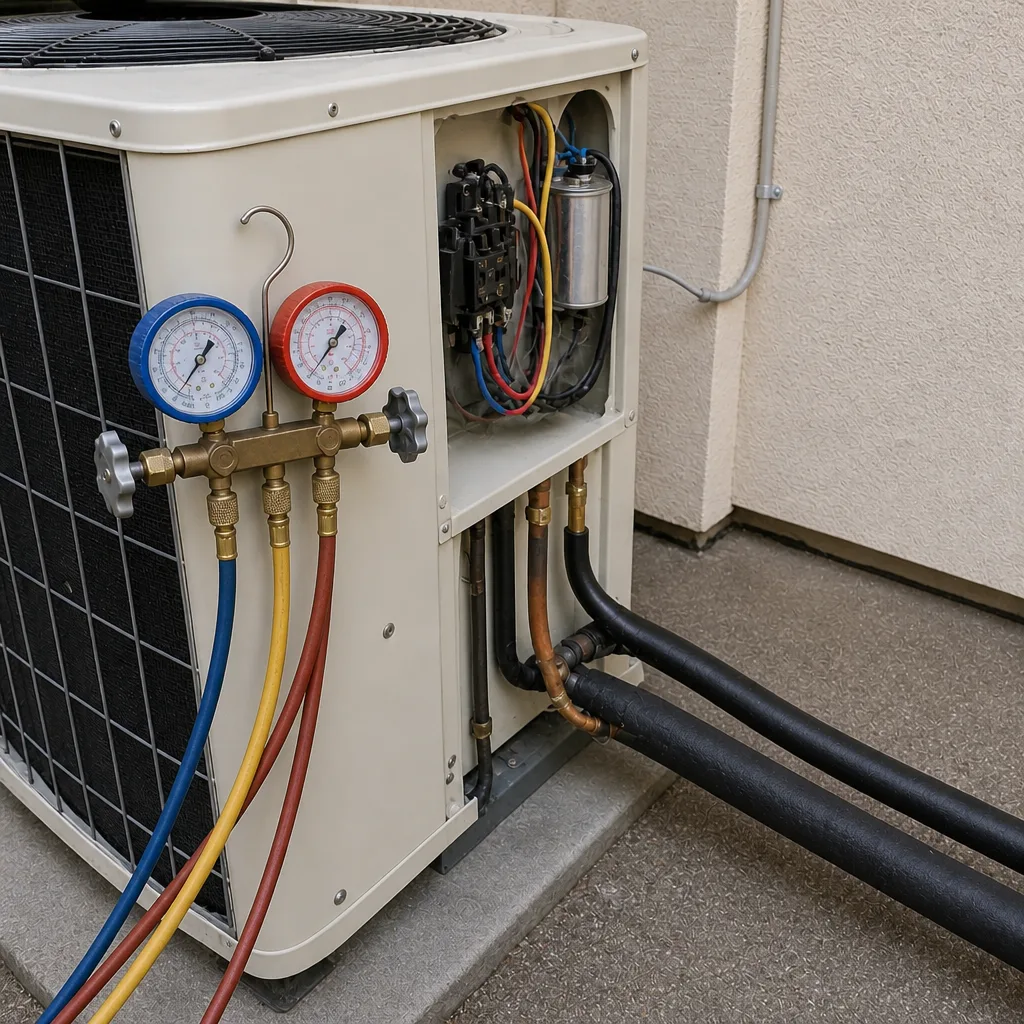
- Installation. New condenser, coil, and line set installed to manufacturer spec. Refrigerant charge set by measurement, not by feel.
- Electrical and controls. Disconnect, circuit, thermostat, and control wiring verified.
- Duct sealing and insulation. Any scoped duct work completed and sealed.
- Startup and commissioning. Airflow, charge, and temperature split measured and recorded.
- Inspection. Building Division inspects and closes the permit.
If your existing system fails before you’re ready to replace it, we handle Fremont AC repair as well. Same-day service is available when a failed system is making the house unsafe to occupy, and no overtime charge applies. A call outside dispatch hours is booked into the next opening, Sunday through Friday, 7am to 7pm.
Common Mistakes to Avoid
- Sizing by square footage. A rule-of-thumb estimate ignores window area, insulation, orientation, and Fremont’s specific design temperature. It’s the single most common cause of an oversized unit. Insist on a real load calculation.
- Using inland design temperatures. A calculator set for 95 – 100°F will size your system for a summer Fremont doesn’t have. Ask what design temperature the calculation used, and expect something near 85°F.
- Reusing marginal ductwork without inspection. Ducts sized for heating airflow often can’t move enough air for cooling. Skipping the inspection means paying for capacity the system can’t deliver.
- Skipping the permit. Unpermitted installations can complicate a future sale and give the manufacturer grounds to deny a warranty claim. Ask for the permit number before work starts.
- Chasing the highest SEER2 rating in a low-run-hour climate. Premium efficiency pays back on run-hours. In Fremont’s mild summers, the upgrade may not recover its cost the way it would inland.
- Letting a contractor choose the brand by what’s in the truck. A recommendation driven by inventory isn’t a recommendation. Work with a contractor who services enough brands to give you a real choice.
- Setting the refrigerant charge by feel. Charge must be set by measurement against the manufacturer’s spec. A system that’s undercharged or overcharged wears out its compressor prematurely.
See the difference
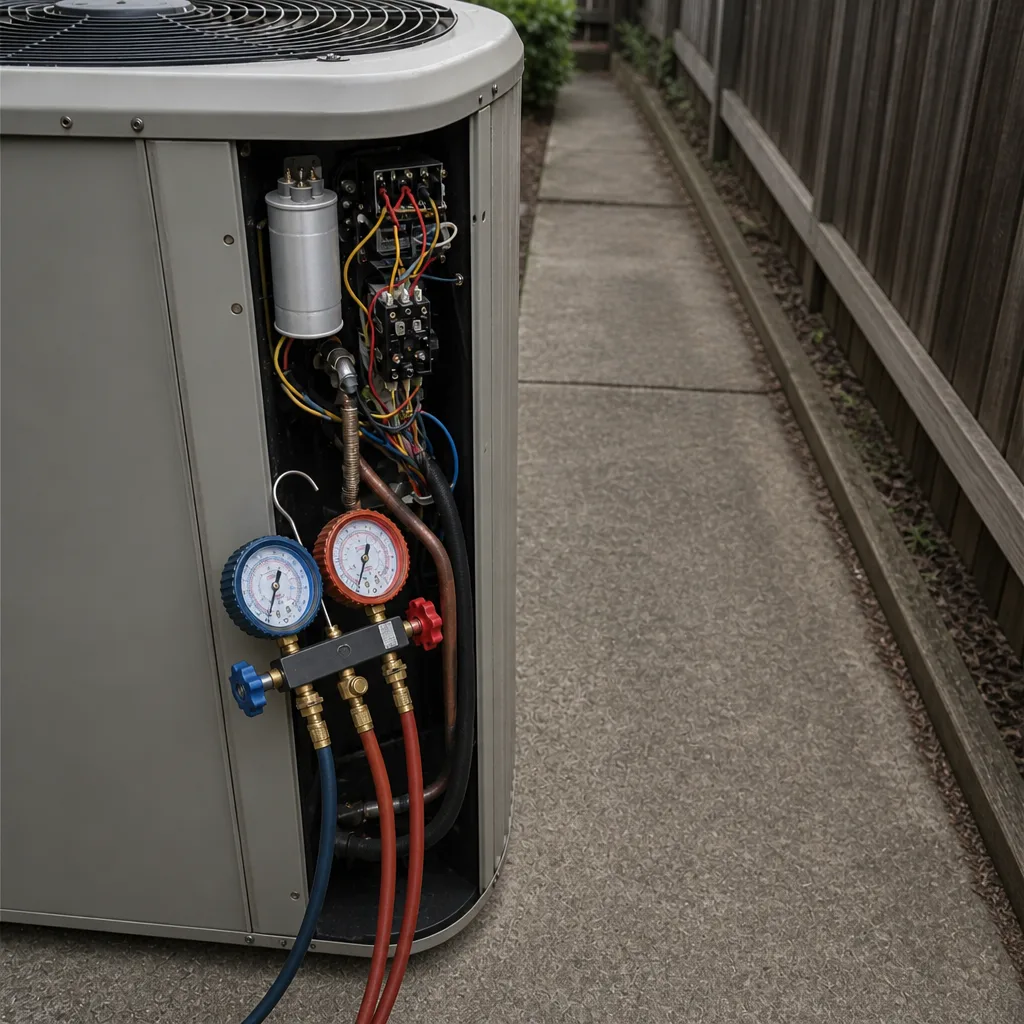
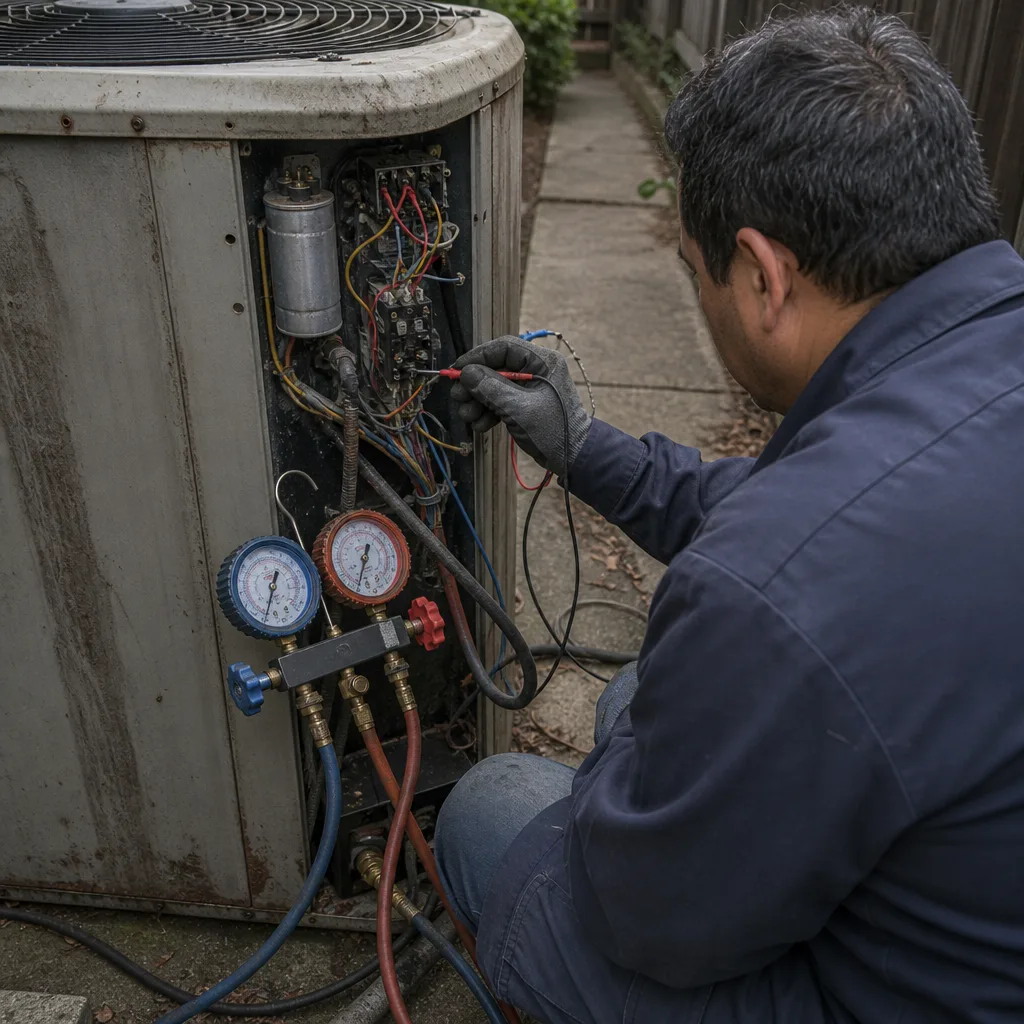 Before
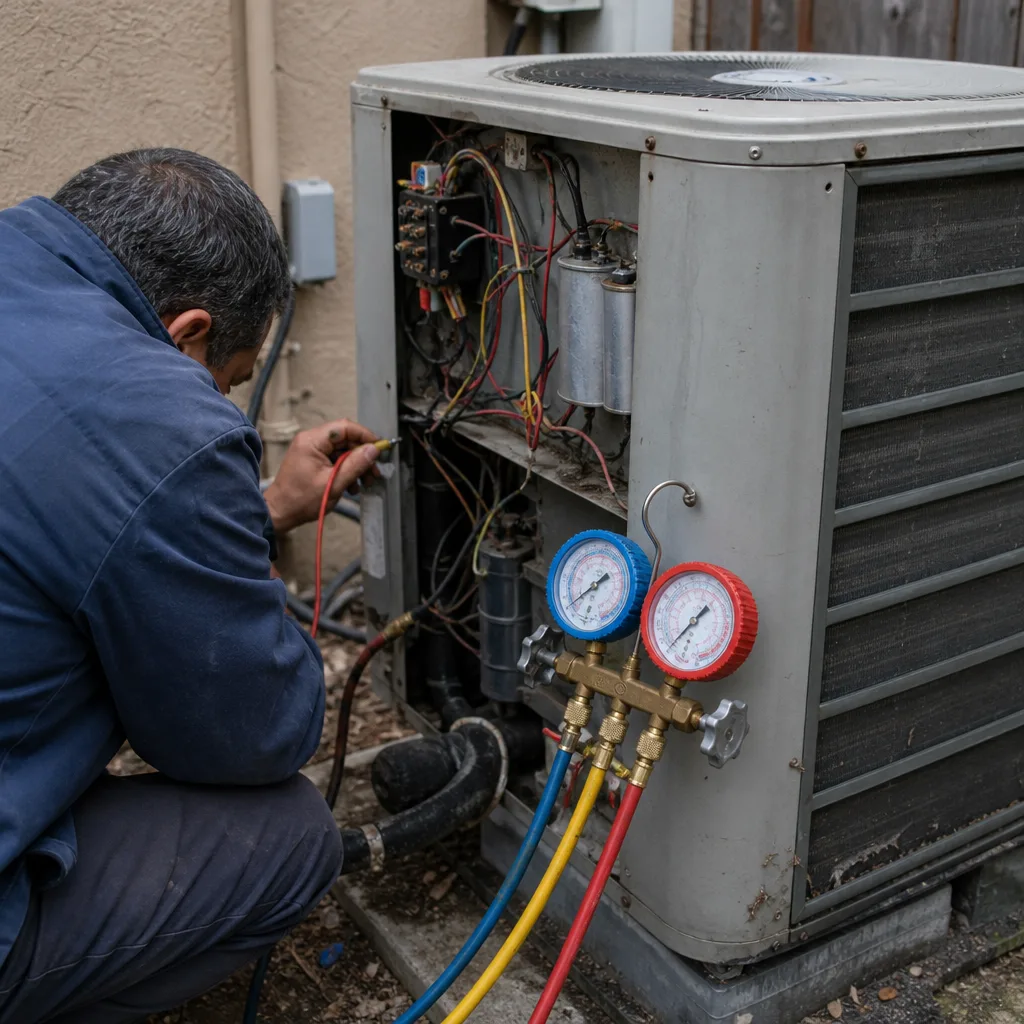
 After
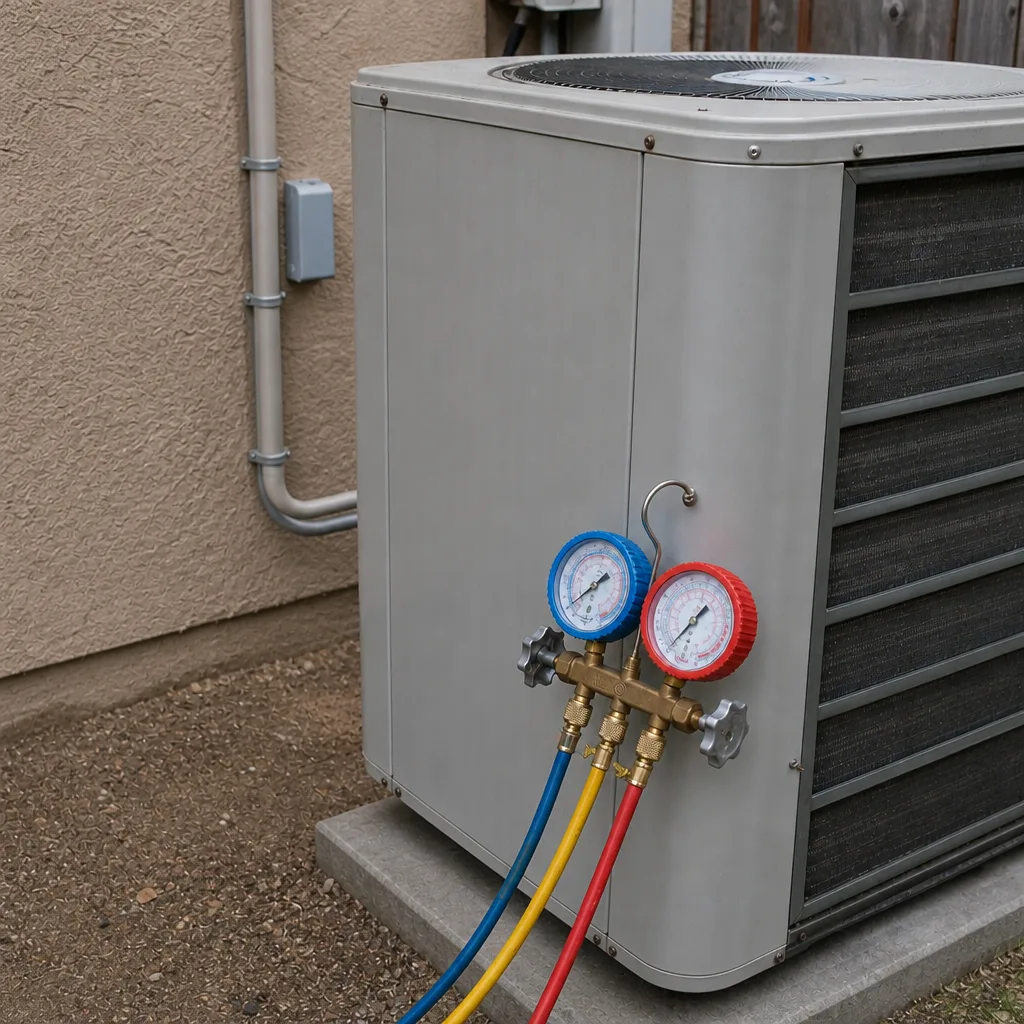
 Before
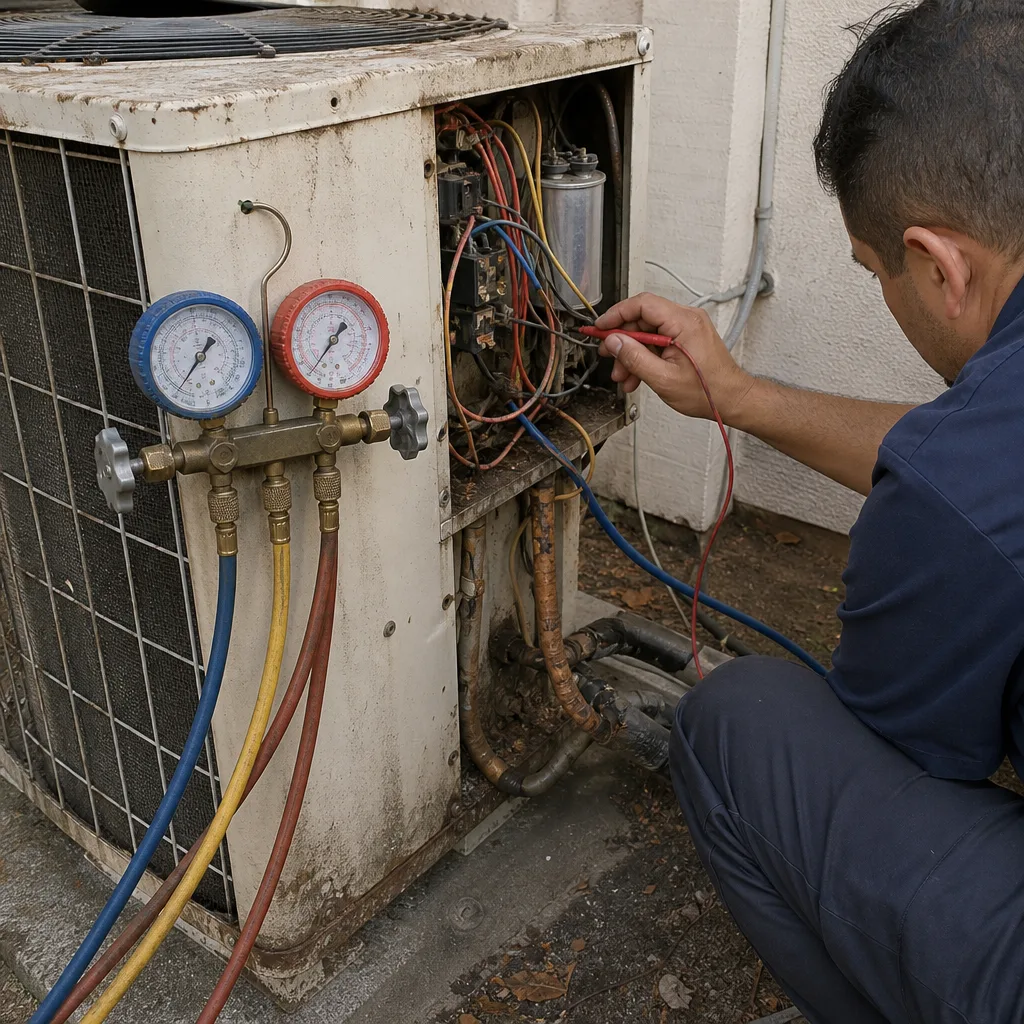
 After
 Before
 After
When to Call a Professional
Some AC decisions can wait for a scheduled conversation. Others can’t. Call us when your system is short cycling, blowing warm air, or failing to keep rooms comfortable on the few genuinely hot days Fremont gets. Call when a system is old enough that the repair estimate is approaching the replacement cost, because that decision deserves a load calculation and a written comparison, not a phone diagnosis. Call when you’re planning a ductless mini-split for an addition, when your home has never had central cooling and you’re not sure it can accommodate it, or when a system was installed without a permit and you need the paperwork straightened out. For a free estimate on installation, call (855) 473-9061. We answer 24/7, and fast dispatch from 7am to 7pm runs Sunday through Friday.
Frequently Asked Questions
AC installation in Fremont typically costs $5,500 to $14,000 installed, depending on tonnage, configuration, and ductwork condition. Split systems in homes with sound existing ducts land at the lower end; multi-zone ductless mini-splits and jobs needing substantial duct work land at the upper end. The written estimate sets the final price. Call (855) 473-9061 for an exact quote – estimates are free.
The correct size comes from a Manual J load calculation using a design temperature near 85°F, not a square-footage rule. Most Fremont homes end up smaller in tonnage than an inland calculator would suggest, often by half a ton. An oversized unit short-cycles, cools unevenly, and wears out its compressor sooner. Call (855) 473-9061 and we’ll run the calculation for your home.
Yes. AC installation in Fremont requires a mechanical permit through the City of Fremont Building Division, and the installation is inspected before the permit closes. A system installed without a permit can complicate a future sale and give the manufacturer grounds to deny a warranty claim. Ask your contractor for the permit number before work begins. Call (855) 473-9061 if you’d like us to handle the permit for you.
Yes. A ductless mini-split is the practical answer for homes with no existing duct system, and it works well in Fremont’s mild climate because zone control captures savings on low-run-hour days. For homes that do have older forced-air ducts, we inspect sizing, sealing, insulation, and return capacity before recommending a split system. Call (855) 473-9061 for a free on-site assessment.
Repair makes sense when the system is otherwise sound and the repair cost is a fraction of replacement. Replacement starts to make sense when the system is short cycling, needing repeated repairs, or the repair estimate approaches the cost of a new system. The decision deserves a load calculation and a written comparison, not a phone guess. Call (855) 473-9061 and we’ll walk both options with you.
Same-day service is available when a failed system is making the home unsafe to occupy. We answer 24/7, and fast dispatch from 7am to 7pm runs Sunday through Friday. Installation itself is scheduled around the load calculation and permit rather than performed same-day. Call (855) 473-9061 for an exact quote – estimates are free.
The Bottom Line
A correct AC installation in Fremont comes down to four decisions made in the right order: a load calculation built on local design temperatures near 85°F, a duct inspection that matches airflow to cooling requirements, a permit through the City of Fremont Building Division, and equipment selected for actual run-hours rather than the highest SEER2 on the shelf. Get those right and the configuration – split, packaged, or ductless – follows naturally from your home’s layout and existing infrastructure. Skip any of them and the best equipment in the world can’t make up the difference. We install, repair, and replace systems from nine major brands, and we’ll show you the numbers before you commit.
Call (855) 473-9061 for a free estimate. We answer 24/7. Fast dispatch from 7am to 7pm, Sunday through Friday. Closed Saturday.
Written by the team at Fremont AC Repair.