
Last updated November 15, 2026
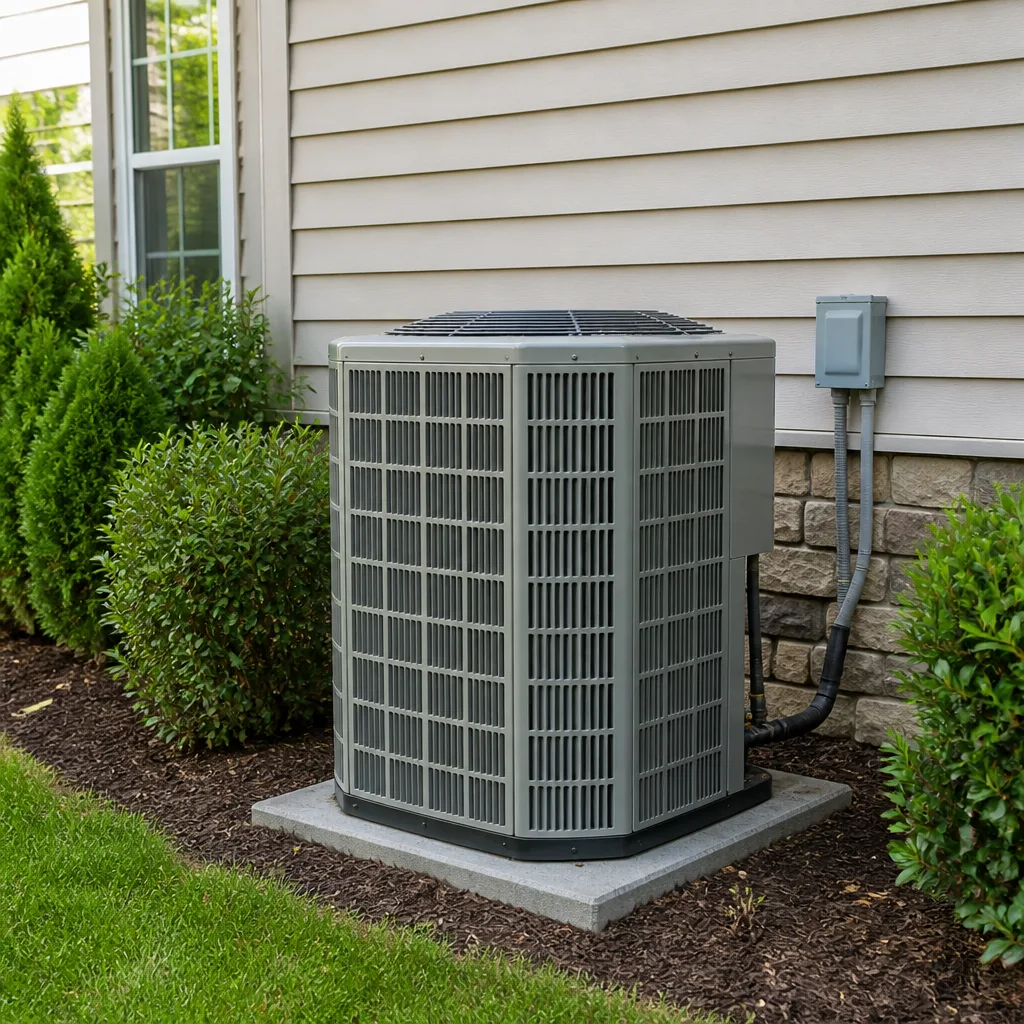 AC repair
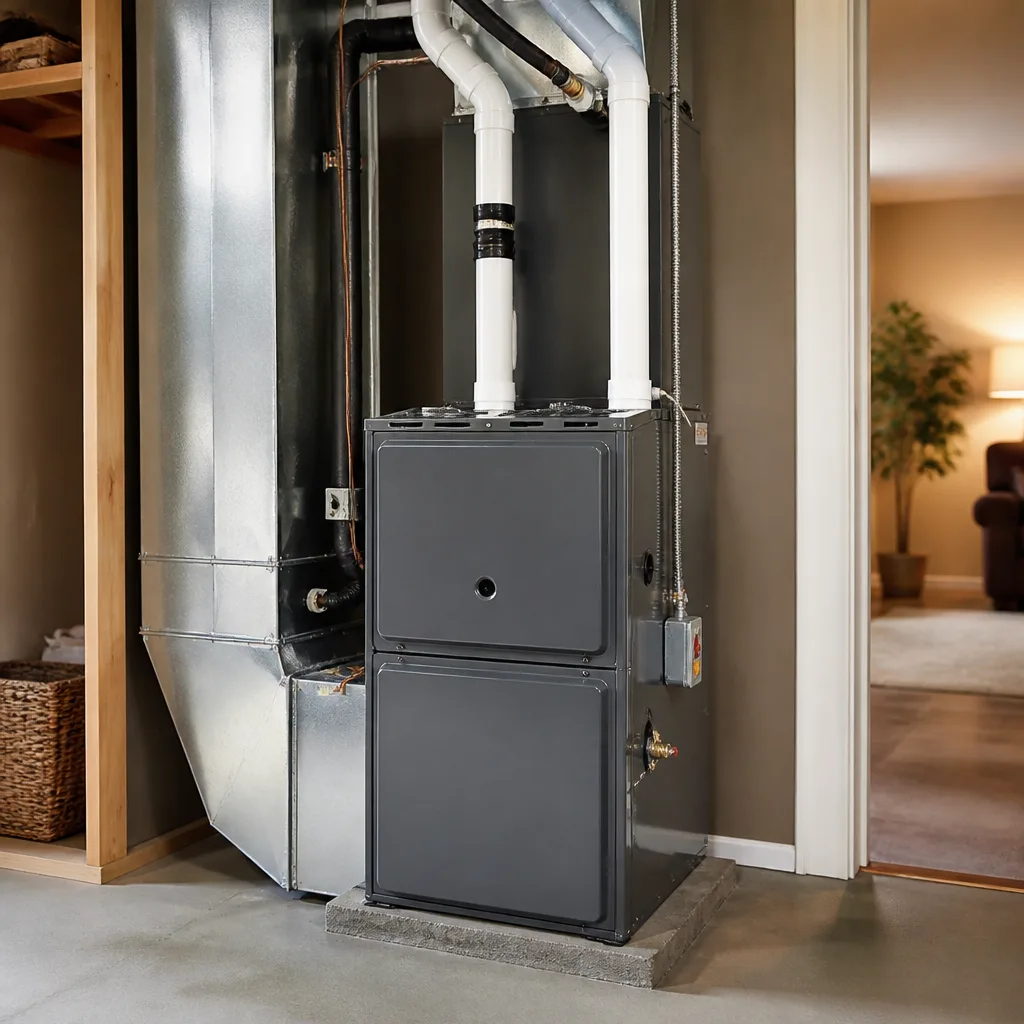 Furnace & heating
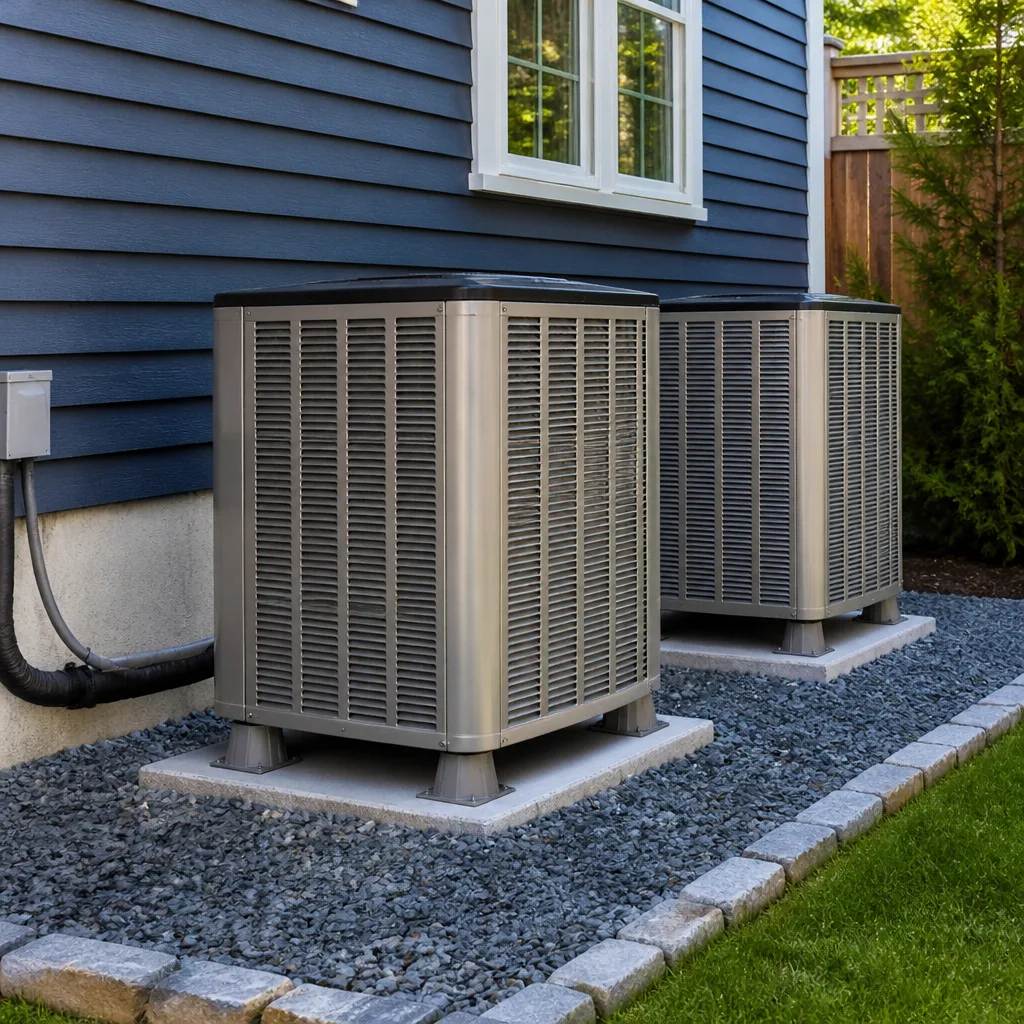 Heat pumps
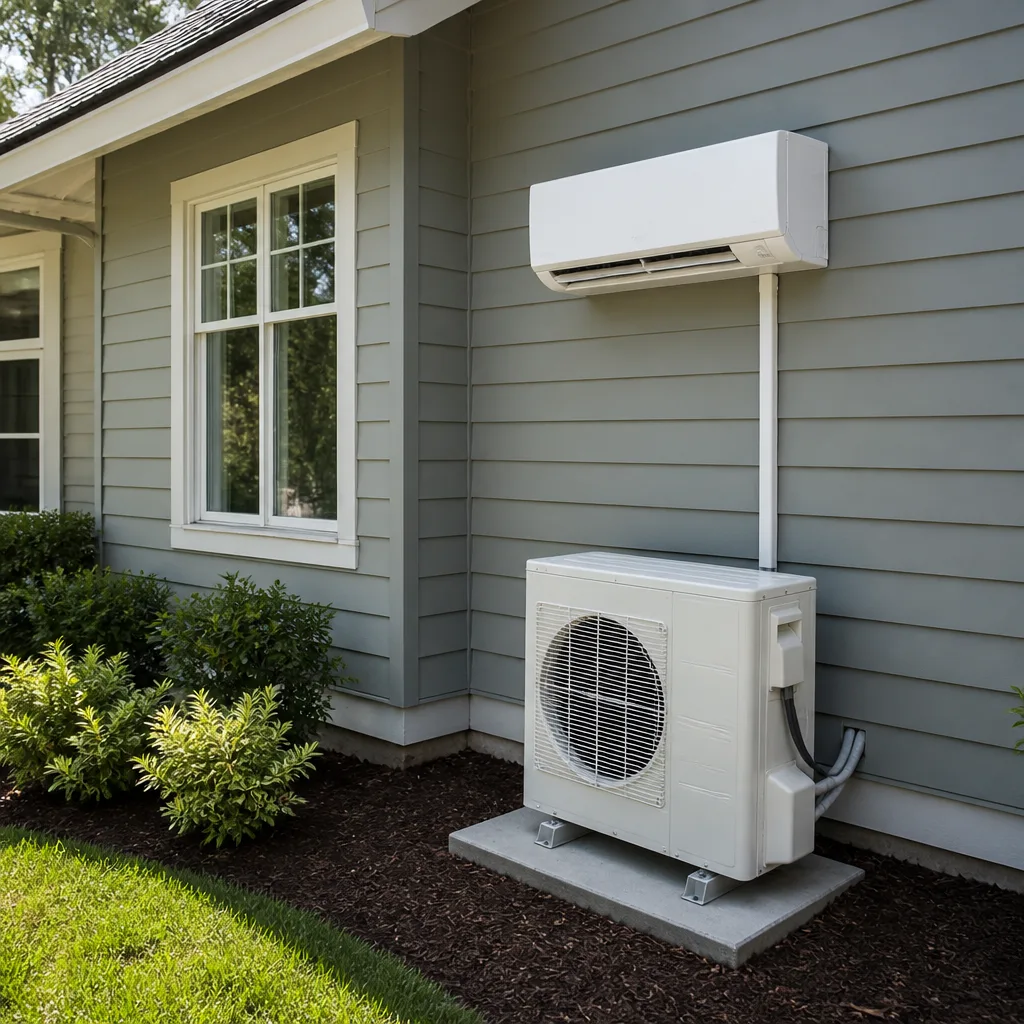 Ductless mini splits
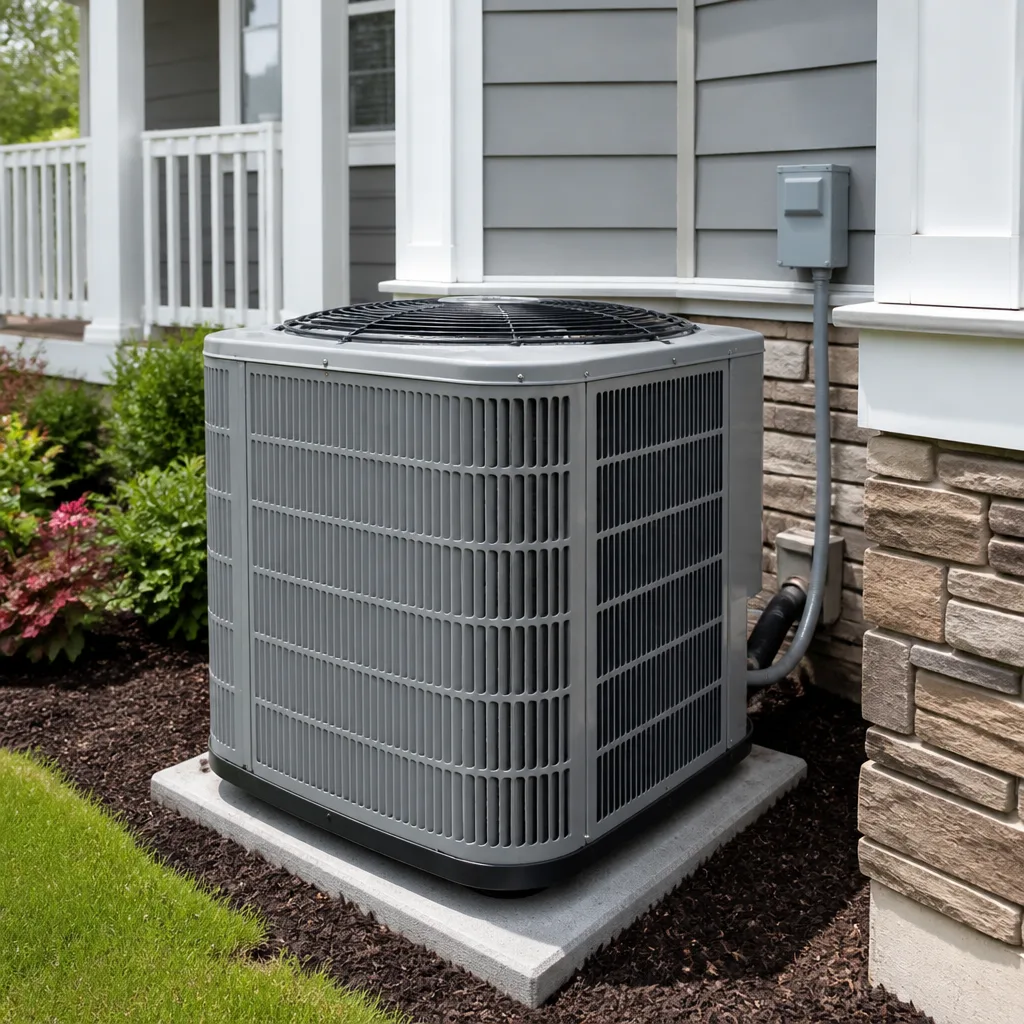 Carrier
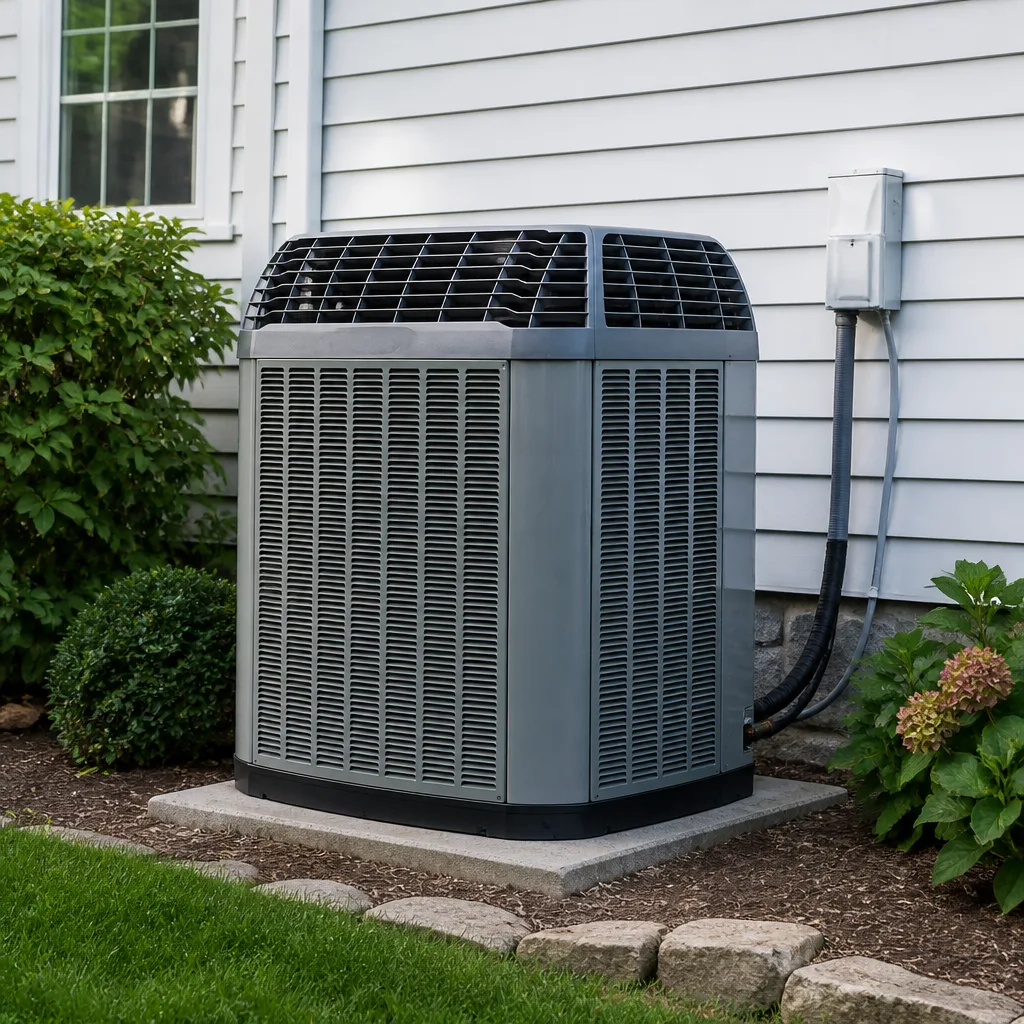 Trane
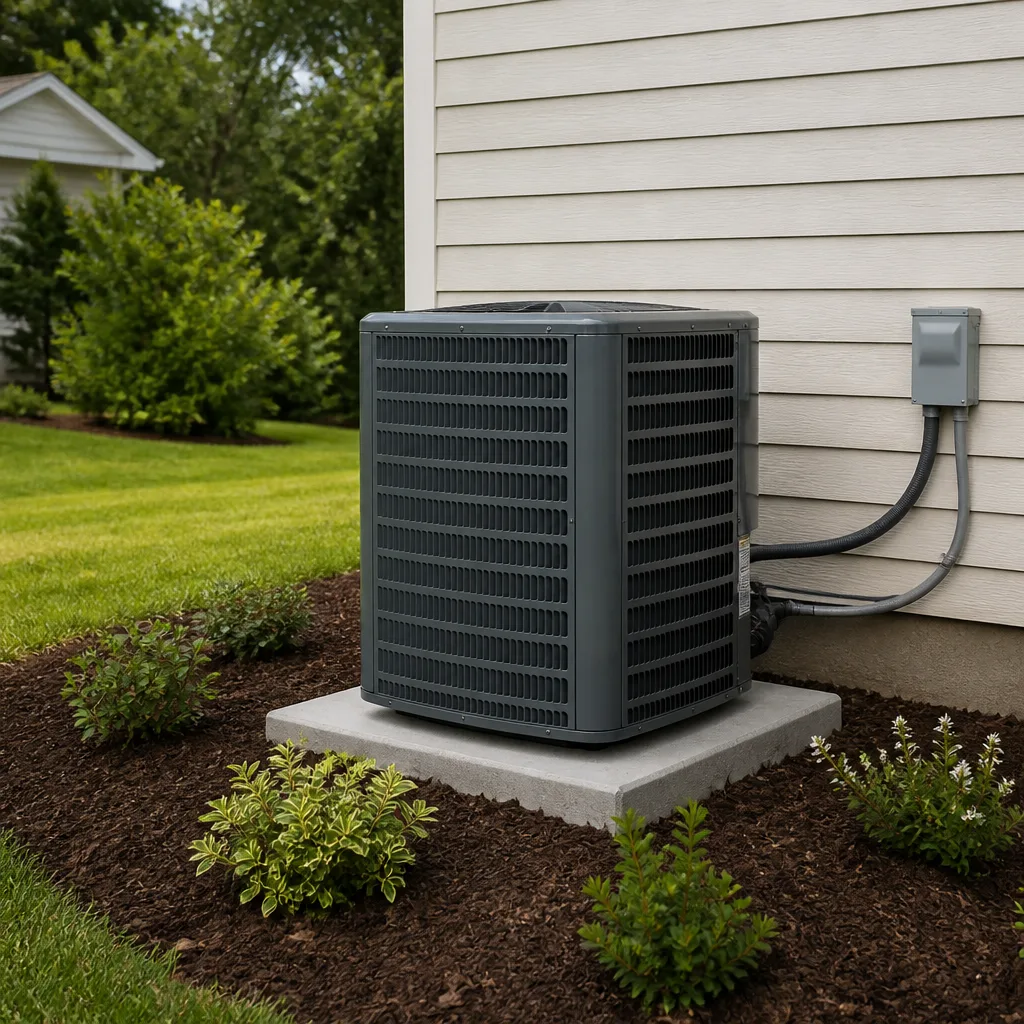 Goodman
Seasonal tune-up and full diagnostic on your Carrier, Trane, or Goodman system - readings shown to you before any repair is proposed
Diagnosis first, numbers second - you approve the repair price before a single part goes in.
Get your free estimateDIY vs Professional HVAC: The Fremont Homeowner’s Decision Guide
Most DIY-versus-professional guides hand you a binary answer, and that’s the problem. HVAC isn’t one task. It’s a spectrum that runs from “change the filter, you’ll be fine” to “touch that refrigerant line and you’ve broken federal law.” The same Fremont homeowner who should absolutely hose down their condenser fins every spring should absolutely keep their hands off a sealed refrigerant circuit. Drawing that line precisely is what this guide does. We’ll sort the work into three honest buckets, explain the California rules that make some DIY projects not just risky but illegal, and show you which maintenance tasks actually buy years of equipment life in Fremont’s particular climate. By the end, you’ll know exactly what’s worth your Saturday and what isn’t worth the gamble.
Quick Answer
You can safely handle filter changes, condenser coil cleaning, condensate drain flushing, and thermostat batteries yourself. You should not touch refrigerant, capacitors, compressor circuits, or duct modifications. Refrigerant work requires EPA Section 608 certification under federal law, and California’s refrigerant regulations stack penalties on top of that. Any repair that opens a sealed system, involves line voltage, or changes how air moves through your house belongs to a licensed technician.
Styles & brands we work with
- AC repair
- Furnace & heating
- Heat pumps
- Ductless mini splits
- Carrier
- Trane
- Goodman
Table of Contents
- The Three Tiers of HVAC Work: A Task-by-Task Breakdown
- California Law: What You Can Legally Do on Your Own Property
- Which DIY Tasks Actually Matter in Fremont’s Climate
- Why Refrigerant Is the Line You Don’t Cross
- Capacitors, Contactors, and the Electrical Risk
- Ductwork: Where DIY Repairs Cost You the Most
- Tools Worth Buying vs. Tools That Belong in a Pro’s Van
- Does Your Equipment Brand Change the Answer?
The Three Tiers of HVAC Work: A Task-by-Task Breakdown
Homeowners who attempt refrigerant work without an EPA 608 certification are risking more than a fine. They void equipment warranties, put themselves in line for steep California penalties, and create a repair bill that dwarfs anything they saved. That’s the far end of the spectrum. But most DIY questions sit much closer to home, in territory that’s genuinely manageable. Here’s how the work divides.
Category 1: Safe and Worthwhile
- Replacing air filters. Every one to three months during heavy cooling season. This is the single easiest task with the highest payoff.
- Cleaning condenser coils. The outdoor unit collects dust, leaves, and pollen. A gentle rinse and fin comb do real work here.
- Flushing the condensate drain. Pour a cup of vinegar down the drain line twice a year to prevent clogs that trigger shutoffs. In Fremont, where cooling season runs long, this matters.
- Checking and changing thermostat batteries. A five-minute task that prevents a lot of confusing no-cooling calls.
- Clearing vegetation around the outdoor unit. Two feet of clearance lets the system reject heat properly.
Category 2: DIY-Possible but High Risk of Damage
- Capacitor replacement. A $20 part that can kill a $1,500 motor if you install the wrong microfarad rating or wire it backward. Discharge before touching it.
- Blower motor cleaning. Requires disassembly and careful handling of the wheel. Imbalance causes vibration and bearing failure.
- Duct tape on duct joints. Fabric-backed duct tape fails in heat. Use mastic or foil tape, and know that gap sealing only solves part of the problem.
- Sensor and switch replacement. A wrong flame sensor or high-limit switch turns a $30 part into a $300 diagnostic.
Category 3: Legally or Technically Requires a Licensed Tech
- Refrigerant charging, recovery, or line work. EPA 608 is federal law. No exceptions.
- Compressor replacement. Sealed system, high voltage, complex.
- Gas line work on a furnace. Permit and license territory.
- Duct system redesign or major modifications. A C-20 license applies, and the load calculation is not optional.
- Electrical panel or disconnect work. Panel-level work requires a licensed electrician in California.
California Law: What You Can Legally Do on Your Own Property
California’s rules around HVAC work are stricter than most states supply, and that catches people off guard. The state classifies HVAC as a C-20 Warm-Air Heating, Ventilating, and Air-Conditioning license category, which means the work has a defined legal boundary. So does the refrigerant itself, thanks to California’s own refrigerant management regulations that layer on top of federal EPA rules.
Where DIY Is Legal in California
Homeowners can perform most maintenance tasks on their own property without a license. Filter changes, coil cleaning, drain flushing, thermostat swaps on low-voltage systems, and basic cleaning are all fine. California generally allows a property owner to do work on a home they live in, but that allowance stops short of any work that requires a permit, touches a refrigerant circuit, or involves gas piping.
Where It Stops
Most cities, Fremont included, require a permit for HVAC replacement, gas line modification, and any change to the electrical circuit serving the appliance. If you’re pulling a permit, you’re past the DIY line by definition. And any task that touches refrigerant sits in a special category entirely, because the regulation is federal and it doesn’t care whether you own the home.
The short version: California exempts homeowners from licensing for their own routine maintenance, but not from refrigerant handling, gas work, or permit-required projects. That’s a meaningful difference from states where HVAC contracting rules are looser or barely enforced. If you’re planning anything beyond cleaning and filtration in your Fremont home, check with the city before you buy a part.
Which DIY Tasks Actually Matter in Fremont’s Climate
Ask a homeowner to rank maintenance tasks by importance and the order rarely matches what actually extends equipment life here. Fremont’s summers are warm enough to run a system hard, and the air carries dust from the surrounding open hillsides and nearby freeway corridors. Winters are mild enough that the furnace gets a lighter real-world workload than the AC. That shapes the priority list.
Highest actual impact
- Condenser coil cleaning. The outdoor coil is the single most neglected component in most homes. Dust and debris from Fremont’s dry season coat the fins, raise head pressure, and force the compressor to work harder than it should. A rinse and a fin comb once or twice a season does more for compressor life than every other DIY task combined.
- Condensate drain clearing. Here’s the thing most homeowners don’t realize: the drain line is a breeding ground for biological growth, and a clogged drain trips the float switch, shutting the system down. In a Fremont summer, that’s a same-day comfort problem for a five-minute fix.
- Filter discipline. The cheapest component, the most consequential. A clogged filter chokes airflow, ices the coil, and shortens blower life.
Lower impact than people think
Vacuuming the return grille is nice but low-leverage. Wiping down the cabinet is cosmetic. Coil cleaning on a new system with a clean environment is a maintenance ritual, not a repair. Focus your effort on the outdoor unit and the drain line, and you’ve captured most of the available payoff.
If your system has stopped cooling despite clean coils and a clear drain, that’s a diagnostic question, and Fremont AC Repair is where the answer lives.
Why Refrigerant Is the Line You Don’t Cross
Refrigerant handling is the clearest case in this entire guide. Under Section 608 of the Clean Air Act, anyone who buys, handles, or disposes of regulated refrigerants must be certified. That’s federal law, and it applies to homeowners working on their own property. California’s refrigerant management regulations add their own reporting and handling requirements and a penalty structure that goes far beyond what most states impose.
What goes wrong when you DIY refrigerant
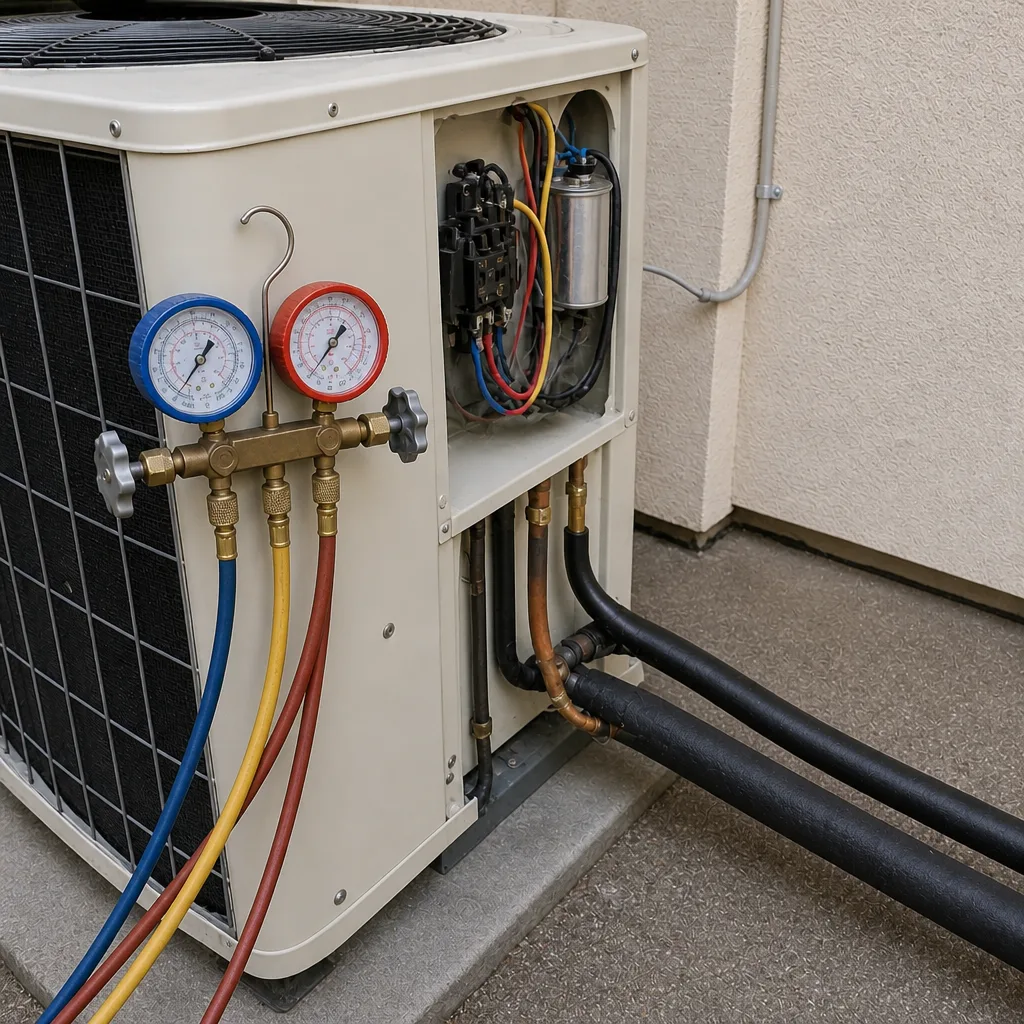
- Overcharging. Adding refrigerant without a manifold gauge set and a proper subcooling or superheat reading is guessing. Overcharge a system and you raise head pressure, stress the compressor, and can burn it out. The fix costs more than a licensed service call, every time.
- Undercharging. Same problem from the other direction. Low charge ices the indoor coil and causes the compressor to cycle on thermal overload.
- Venting. Releasing refrigerant to the atmosphere is both a federal violation and a warranty voiding event. Manufacturers track system condition during warranty claims.
- Contamination. Moisture or the wrong oil in the circuit turns into acid, which eats compressor windings from the inside.
The correct answer here is simple: this is not a homeowner task, and no amount of YouTube makes it one. It’s also why a legitimate AC installation includes a verified charge from the start. If you want the full diagnostic sequence spelled out, our Fremont resource page covers what a proper service call looks like.
Capacitors, Contactors, and the Electrical Risk
Electrical components in an AC or furnace are dangerous in a way that surprises homeowners, because they’re small, cheap, and easy to buy. A capacitor holds a charge even after power is off, and its failure modes are deceptive. This is a job for a trained technician who can test and discharge safely.
What a wrong capacitor does
A capacitor’s microfarad rating has to match the motor’s specification, and the wiring has to be correct. Put in a capacitor that’s too large or too small, or reverse the leads, and the motor runs hot, loses efficiency, or fails outright. Motor replacement on a residential condenser is a major repair, and it’s a direct consequence of a five-dollar part installed wrong.
Contactors and relays
Contactors carry line voltage and switch the compressor and fan. A pitted contactor means intermittent failure that mimics more serious problems. Replacing one is simple in the hands of a technician who knows how to test for voltage at the coil, verify the line side is dead, and check for pitting. It’s not simple for a homeowner with a multimeter and no power-verification routine.
The safety framing
Never work inside a disconnect box or at a furnace control board without verifying power is off at the breaker and confirming with a meter. Line voltage at these components is lethal. If you’re unsure how to verify power, stop, and call a professional. That’s not a liability hedge, it’s the plain truth about working near 240-volt equipment.
Ductwork: Where DIY Repairs Cost You the Most
Ductwork looks like the most forgiving DIY project in HVAC, and that misconception costs homeowners the most money. Ducts are hidden, which makes them easy to modify badly and hard to inspect afterward. The sealed-system nature of ductwork means a small mistake compounds quietly until the energy bill reveals it.
The duct tape trap
Fabric-backed duct tape, the kind most garages have on hand, deteriorates under heat and fails within a couple of seasons. It peels, leaves adhesive residue, and invites moisture into the joint. In a humid coastal-microclimate home, that moisture turns into mold growth inside the ductwork, and then you’ve got a contamination problem alongside an energy-loss problem. Real duct sealing uses mastic or foil tape with a compatible backing, applied to a clean surface.
Why duct modifications require a license
Major duct changes are C-20 territory. More importantly, they affect an airflow calculation that most homeowners have never seen. Change the duct size, add or remove a tap, alter the return path, and you shift the static pressure the blower sees. That drives comfort problems, premature motor wear, and a system that can’t hold its charge efficiency. Small gap sealing is DIY-friendly. Duct redesign is not.
Tools Worth Buying vs. Tools That Belong in a Pro’s Van
A well-equipped homeowner has a small toolbox that handles the safe tasks well. That’s the right investment. The rest of the catalog is a trap: expensive, easy to misuse, and not useful without training and calibration.
Worth buying
- Fin comb. Straightens bent condenser and evaporator fins. Restores airflow, costs a few dollars.
- Wet-dry vac. Condensate drain clearing, coil debris removal, and general outdoor unit cleanup.
- Coil cleaner. A proper no-rinse or rinse-required coil cleaner does far more than soap and water.
- Foil tape and mastic. For duct joint sealing done correctly.
- A non-contact voltage tester and a multimeter. Know how to use both before you open any panel.
- A filter gauge. A cheap visual check is fine, but a small strip marker lets you see when your filter actually needs changing.
Professional only
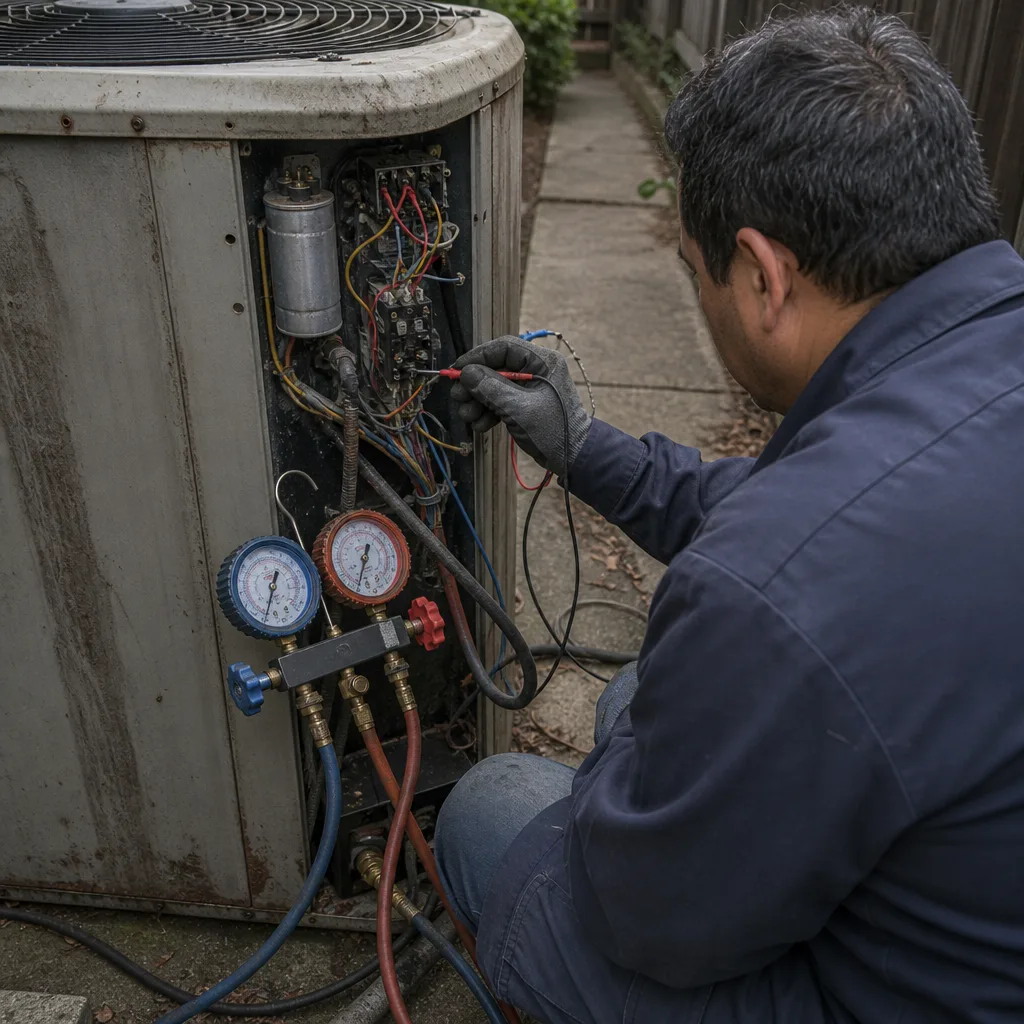
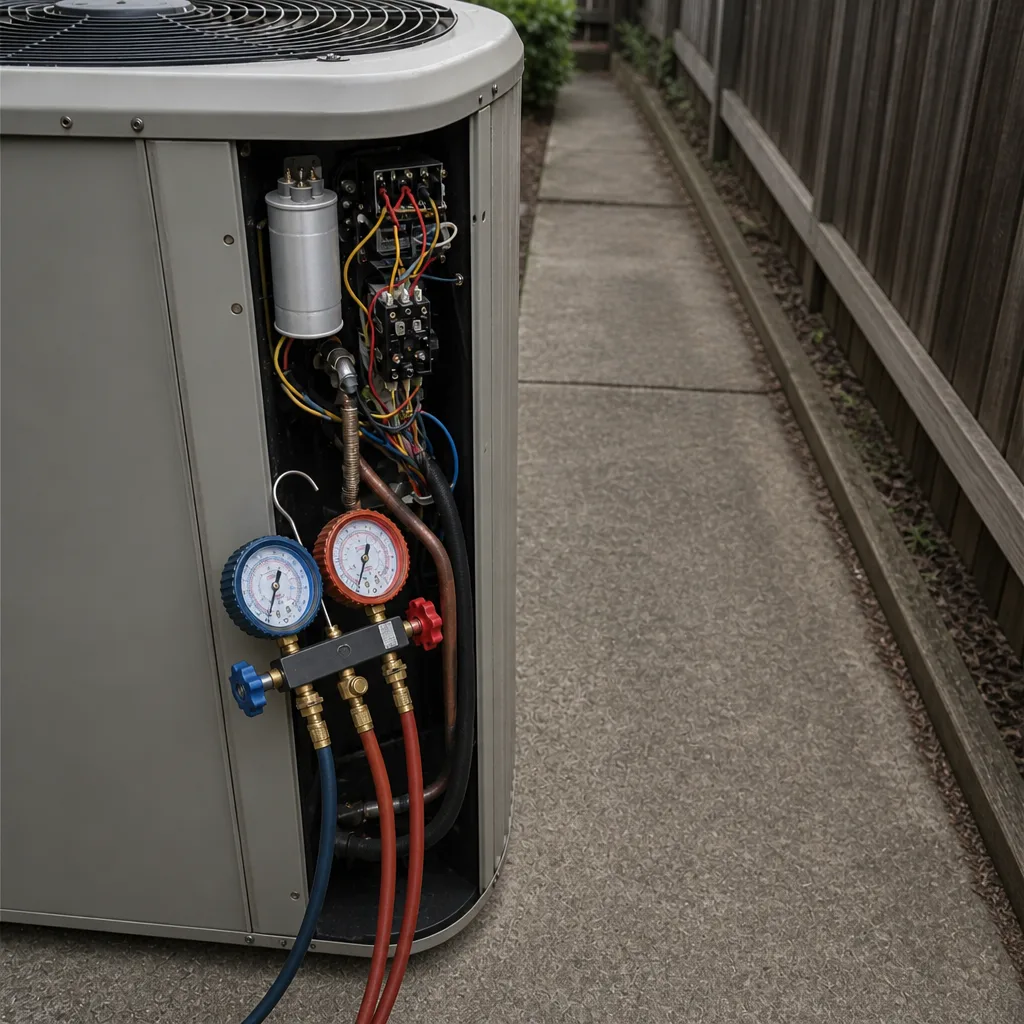
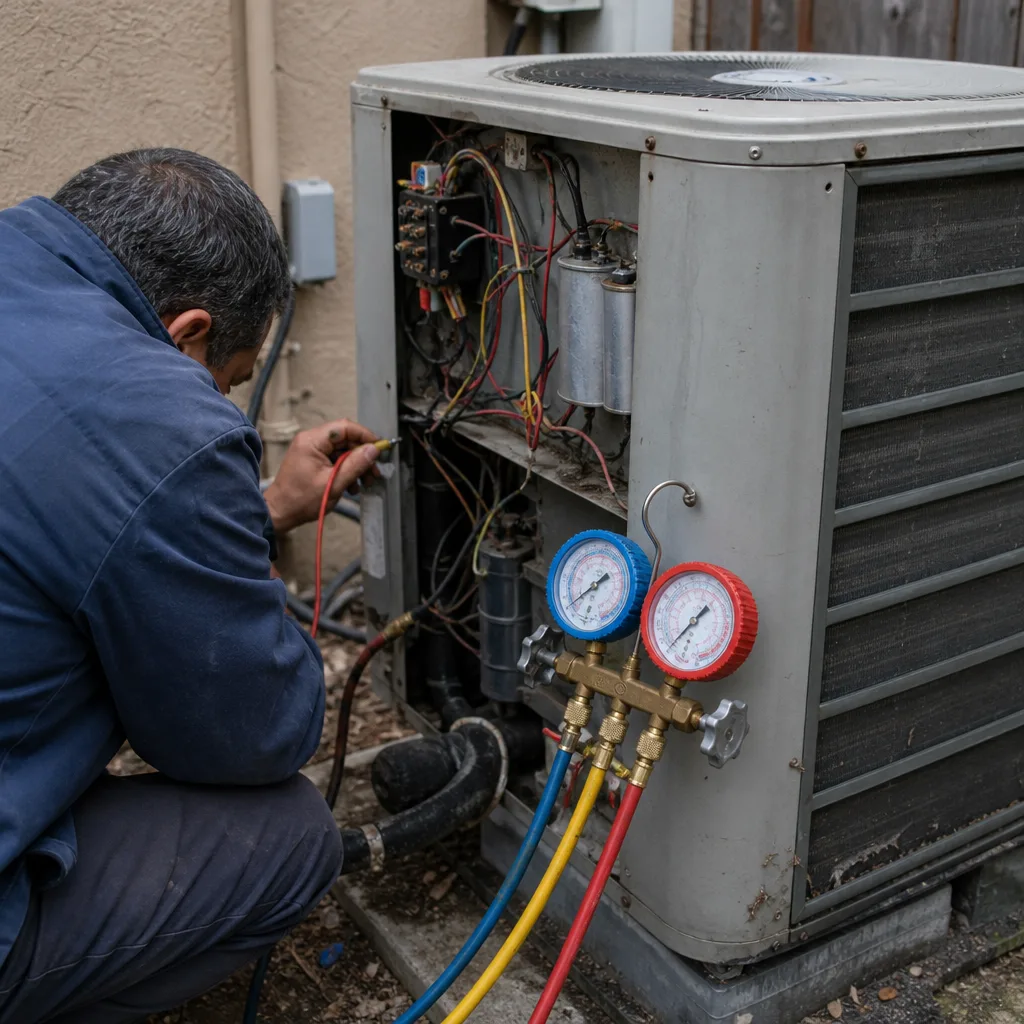
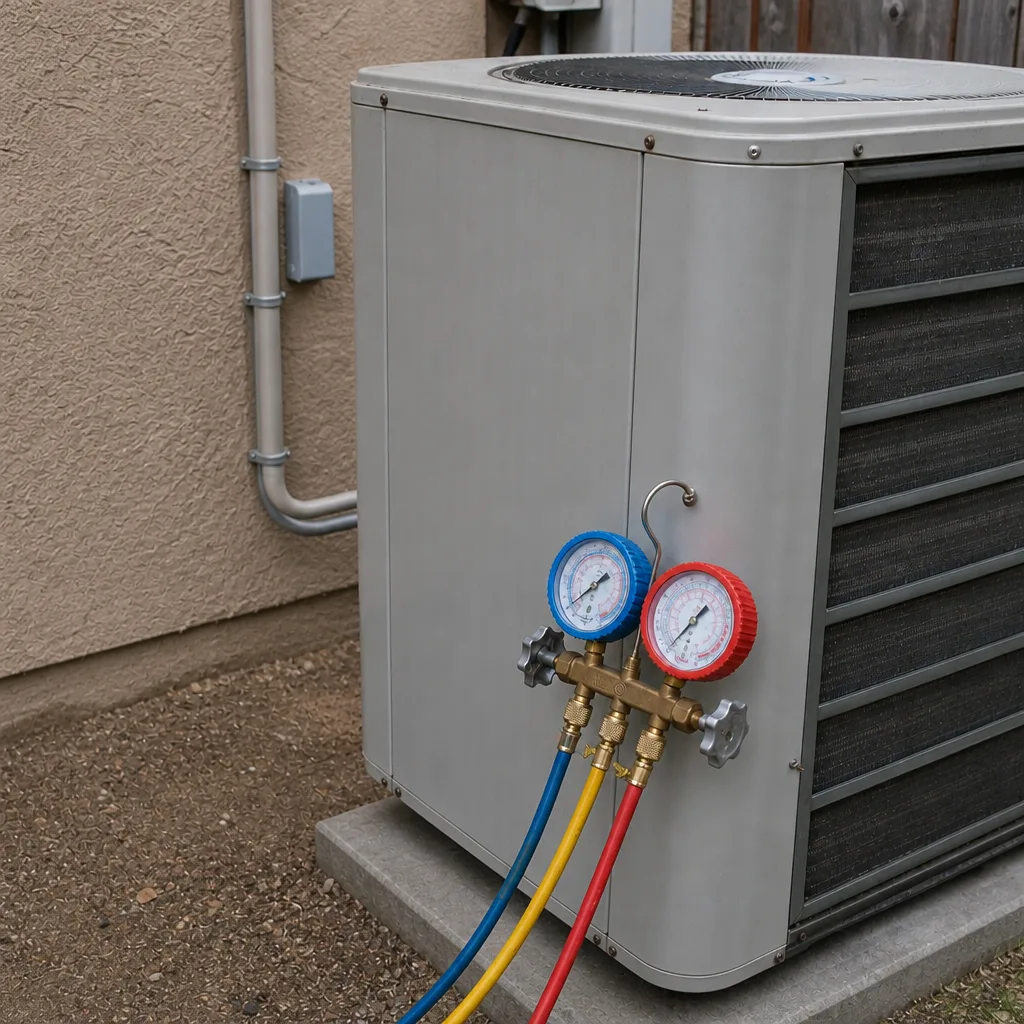
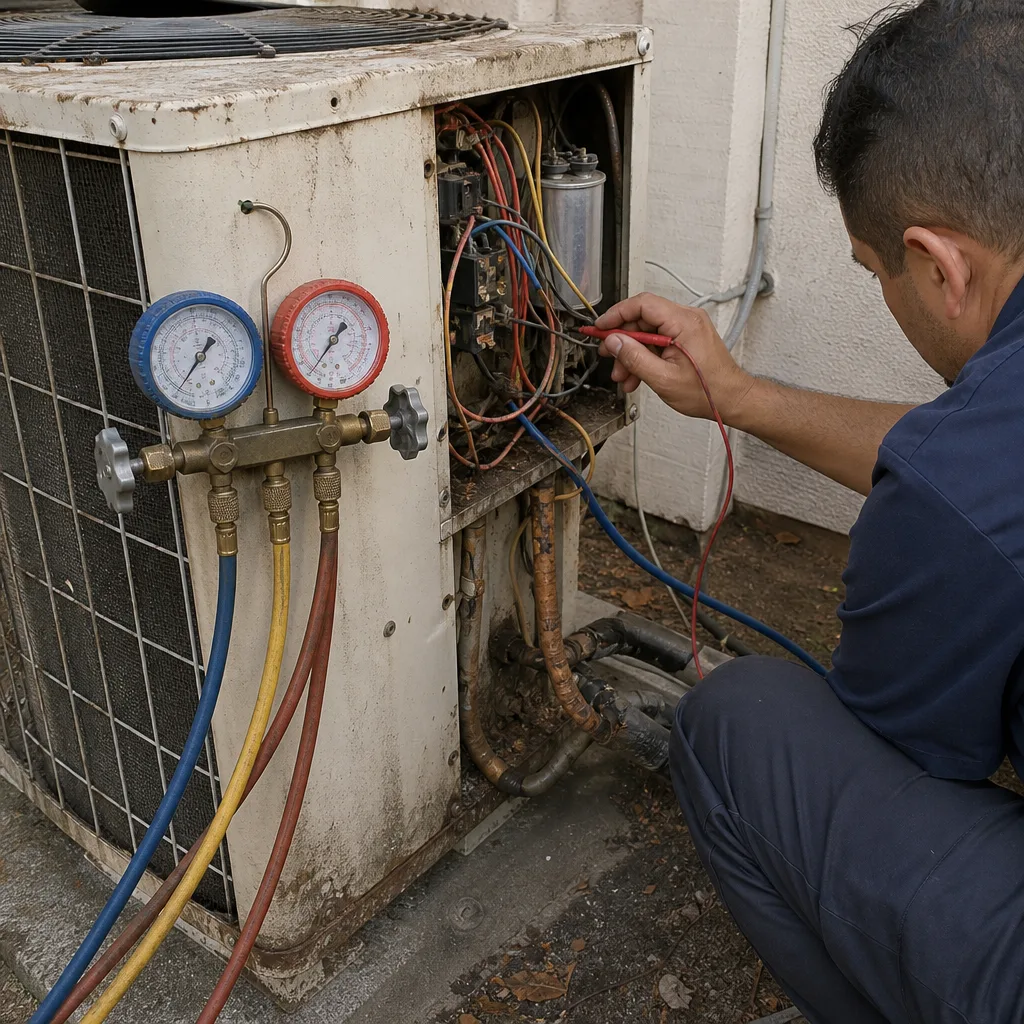
- Manifold gauge set. Useless without EPA certification and refrigerant training. The readings mean nothing without a proper baseline.
- Combustion analyzer. Necessary for furnace safety verification. Calibration and interpretation are specialist skills, and a wrong reading is a real safety hazard.
- Refrigerant recovery equipment. Required by federal law for any refrigerant removal. Not a homeowner purchase.
- Vacuum pump and micron gauge for evacuation. A wasted investment for one-time use.
- Anemometer and static pressure manometer. Expert tools for diagnosing airflow problems.
Does Your Equipment Brand Change the Answer?
Somewhat, but less than you’d think. The maintenance tasks that keep a Trane or a Lennox running are the same tasks that keep a Goodman or a Rheem running: clean coils, clear drains, fresh filters, clear airflow. What changes is the parts and the service approach when a repair is needed.
Where brand matters
- Parts availability. Premium-tier equipment sometimes uses components with lead times. A technician who knows your brand’s parts catalog can plan for that.
- Warranty terms. Manufacturer warranties can require authorized installation for coverage. DIY refrigerant work or unpermitted installs void coverage, regardless of brand.
- Diagnostic culture. Some brands have known failure patterns. A technician who services Trane, Lennox, Goodman, and Rheem routinely knows what to look for.
What doesn’t change is the line between “safe to do yourself” and “requires a professional.” That’s set by federal refrigerant law, California licensing rules, and electrical safety, not by the logo on the cabinet. When a repair is needed and you want a technician who speaks your system’s language, we’ve got you: furnace repair and AC repair under one roof, across nine major brands.
Common Mistakes to Avoid
- Adding refrigerant without gauges. The most expensive DIY mistake in HVAC, and the most common. Overcharge a system and you’ve compromised the compressor; you can’t undo it without a technician.
- Using the wrong capacitor rating. A “close enough” microfarad value is a motor killer. Always match the rating on the original part, or better, have a technician verify the motor spec.
- Sealing ducts with fabric duct tape. It fails under heat. The adhesive degrades, the joint peels, and in a humid coastal climate the gap becomes a mold site.
- Flipping a breaker without verifying power is off. Some components hold charge. Test with a meter before touching anything inside a cabinet.
- Neglecting the condensate drain. A clogged drain shuts the system down and can cause water damage to the surrounding floor. Flush it twice a year, every year.
- Skipping the outdoor unit in spring. Fremont’s dry season coats coils fast. Skip the rinse and you’ll pay for it in compressor load all summer.
- Buying parts for a system you haven’t diagnosed. A homeowner’s top guess is often not the real problem. A $40 part doesn’t fix a $400 issue.
See the difference
 Before
 After
 Before
 After
 Before
 After
When to Call a Professional
Call a professional when the work requires refrigerant, electrical, or gas handling. Call when your system isn’t cooling despite clean coils and a fresh filter. Call when you hear a new noise, see ice on the indoor coil, or notice your energy bill climbing for no explained reason. Call for anything related to the furnace’s combustion side, and call for full replacement decisions, because the right system for your home depends on load calculation, not guesswork. Our technicians have up to 8 years of experience across nine major brands, and we service your brand without upselling a replacement you don’t need.
Fremont AC Repair offers free estimates in Fremont. Call (855) 473-9061. We answer 24/7. Fast dispatch from 7am to 7pm, Sunday through Friday.
Frequently Asked Questions
Yes. Condenser coil cleaning is one of the safest and highest-payoff DIY tasks. Rinse the outdoor coil with a garden hose on low pressure, use a fin comb on bent fins, and clear vegetation from around the unit. Don’t use high pressure, and never spray into electrical components. Call (855) 473-9061 if you’re unsure whether the coil needs professional cleaning.
No. Any refrigerant handling requires EPA Section 608 certification under federal law, and California enforces additional refrigerant regulations with its own penalty structure. Attempting to add refrigerant without certification is both illegal and a fast route to equipment damage. Call (855) 473-9061 for a licensed service appointment.
Every one to three months, and closer to every month during heavy cooling season. Fremont’s dry-season dust from open hillsides and traffic corridors loads filters faster than most homeowners expect. Check monthly during summer and you’ll catch the right replacement point.
No. Installations require permits, load calculation, refrigerant handling, and gas and electrical connections that are legally restricted to licensed technicians in California. DIY installation also voids most manufacturer warranties. Call (855) 473-9061 for a free estimate on a replacement done correctly.
Improper duct sealing with fabric-backed tape, followed closely by unverified capacitor replacement. Both fail quietly and cost more than a service call would have. Call (855) 473-9061 if you’re unsure whether a repair was done correctly.
We’re certified to install, repair, and replace equipment from Carrier, Trane, Lennox, Goodman, Rheem, York, Daikin, Bryant, and American Standard. That covers the vast majority of systems already installed in Fremont homes. Call (855) 473-9061 with your model number and we’ll confirm.
The Bottom Line
The DIY-versus-pro question has a task-by-task answer, not a single one. Filters, coil cleaning, condensate drains, and thermostat batteries belong in your hands, and doing them well buys real equipment life. Refrigerant, capacitors, compressor circuits, gas lines, and duct redesign belong to licensed professionals, and that boundary is set by federal law and California rules, not by difficulty. Focus your DIY on the tasks that matter in Fremont’s dry, warm climate: the outdoor coil and the drain line. Stop at the electrical cabinet and the sealed refrigerant circuit. Everything in between is a judgment call, and a free estimate is a cheap way to make it.
To get a straight answer about your system, we’re here. Call (855) 473-9061 for a free estimate in Fremont. We answer 24/7. Fast dispatch from 7am to 7pm, Sunday through Friday.
Written by the team at Fremont AC Repair.